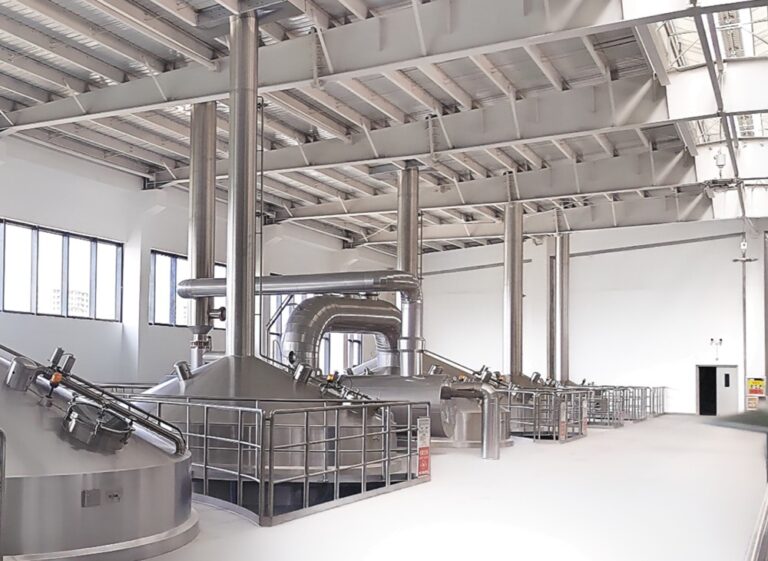
Sourcing brewery equipment from a Chinese manufacturer necessitates a structured approach, grounded in meticulous research and comprehensive vetting. To secure a dependable partner for your business, consider the following essential steps.
.jpg)
1. Initial Research and Shortlisting
Begin by casting a wide net. Compile a list of potential suppliers through:
Online Platforms: Alibaba, Made-in-China, and specialized industry websites
Industry Directories: Trade association listings and brewery supply databases
Trade Shows: Events like Brau Beviale, Drinktec, or China Brew China Beverage
Peer Recommendations: Insights from fellow brewers with firsthand experience
2. Company Background and Reputation
Once you have a shortlist, dig deeper into each company’s track record:
Verify their operational history and business registration
Review client testimonials and request references
Search independent platforms for unfiltered feedback from previous clients
Assess their online presence and industry recognition
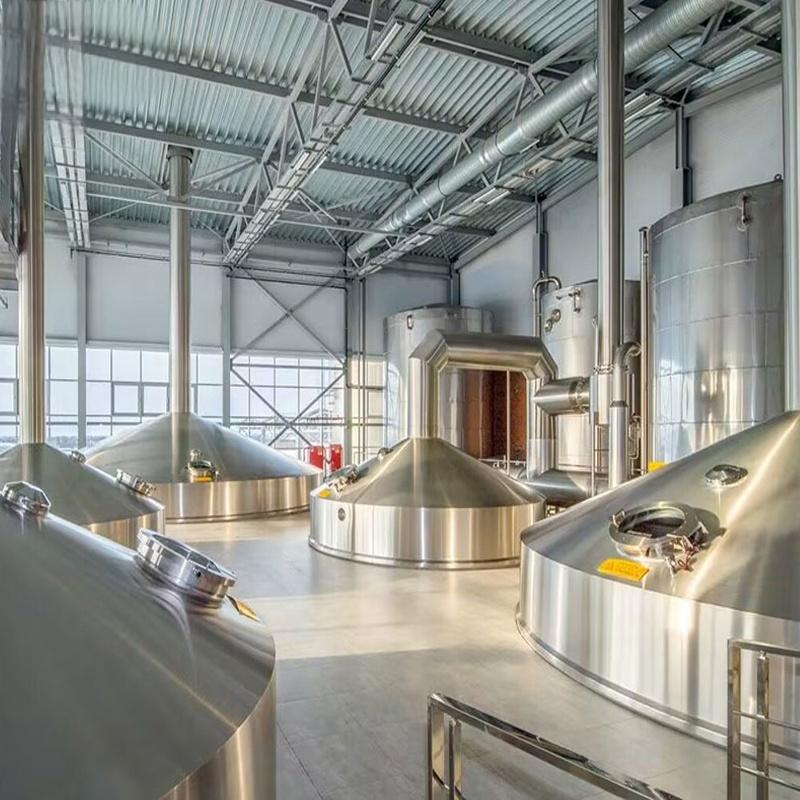
3. Quality Assurance and Certifications
Equipment quality directly impacts your beer. Confirm that suppliers adhere to recognized standards:
Request documentation for ISO 9001 (quality management) and CE (European safety) certifications
Ask about material grades (e.g., 304 or 316 stainless steel) and thickness
Inquire about weld quality standards and testing procedures
Verify pressure vessel certifications if applicable
4. Product Range and Customization Capabilities
Your brewery has unique requirements. Evaluate whether suppliers can meet them:
Review their standard product catalog for relevant offerings
Discuss their experience with custom fabrications
Ask about minimum order quantities for customized components
Assess their engineering support for bespoke designs
5. Communication and Responsiveness
A supplier’s communication style often reflects their overall business approach:
Evaluate response times and clarity of replies
Note their willingness to answer technical questions thoroughly
Assess language proficiency and whether they provide English documentation
Observe whether they ask clarifying questions about your needs
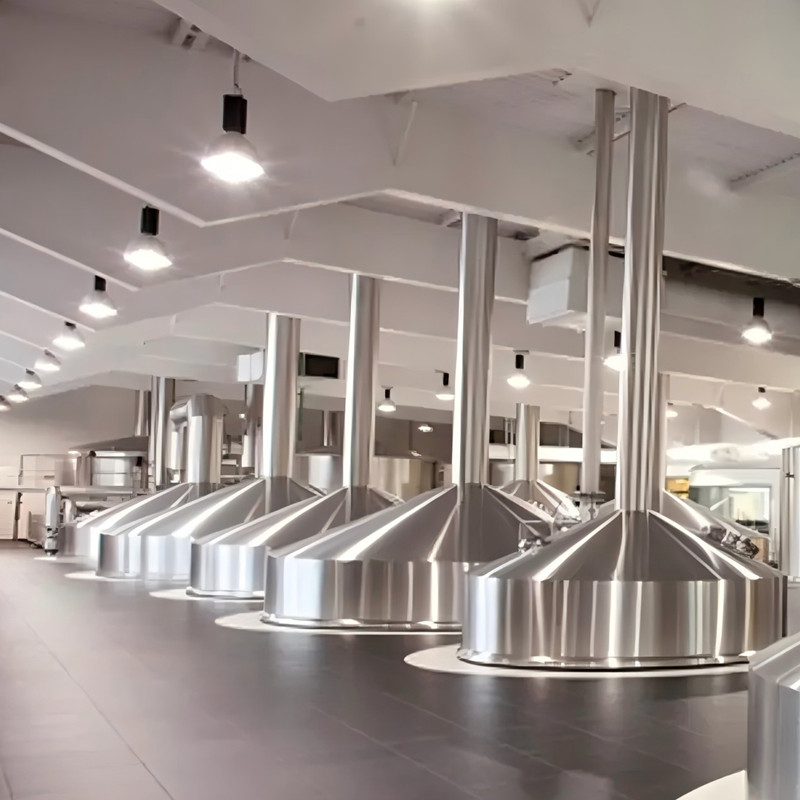
6. Factory Inspection and Quality Control
Whenever possible, verify operations firsthand:
On-site visits: Observe manufacturing processes and working conditions
Third-party inspections: If travel isn’t feasible, hire independent inspection services
Review their quality control protocols and testing equipment
Assess inventory management and spare parts availability
7. Product Samples and Testing
Before committing to large orders, request tangible evidence of quality:
Visit showrooms to see equipment in person
Request samples of components or small-scale vessels
Inquire about trial runs or reference installations you can visit
Ask for detailed technical drawings and specifications

8. Pricing and Payment Terms
Cost is important, but value matters more:
Obtain itemized quotes for transparent comparison
Understand what’s included (shipping, installation, commissioning)
Be wary of prices significantly below market average
Negotiate payment terms that protect your interests (e.g., 30% deposit, 70% before shipment)
9. Contract Review and Legal Protection
Never skip the fine print. Ensure your contract covers:
Warranty: Duration, coverage, and claim process
Delivery timelines: Clear milestones and penalties for delays
Shipping terms: Incoterms, responsibility for freight and insurance
Return policies: Conditions for defective or non-conforming equipment
Dispute resolution: Governing law and arbitration mechanisms
10. References and Past Projects
A reputable supplier should readily provide:
Contact information for previous clients in similar markets
Case studies or project photos demonstrating relevant experience
Performance data or testimonials from breweries of your scale
References for after-sales support responsiveness
11. Financial Stability and Business Longevity
Partner with companies positioned for the long haul:
Request basic financial information or credit reports if available
Assess their manufacturing capacity and order backlog
Verify their ability to fulfill ongoing spare parts and service needs
Consider their export experience to your region
12. Intellectual Property Protection
If sharing proprietary designs or recipes:
Discuss confidentiality agreement options
Assess their track record respecting client IP
Understand local IP laws and enforcement realities
Limit shared information to what’s necessary for manufacturing
13. Shipping and Logistics Coordination
Plan for the journey from factory to brewery:
Clarify shipping methods and freight forwarder arrangements
Understand Incoterms and responsibility transfer points
Factor in import duties, taxes, and customs clearance
Discuss packaging standards for international transit
14. After-Sales Support and Service
Your relationship continues after delivery:
Confirm availability of technical support and spare parts
Inquire about installation assistance or commissioning services
Discuss training options for your brewing team
Establish communication channels for ongoing maintenance
Hubert
Email: [email protected]