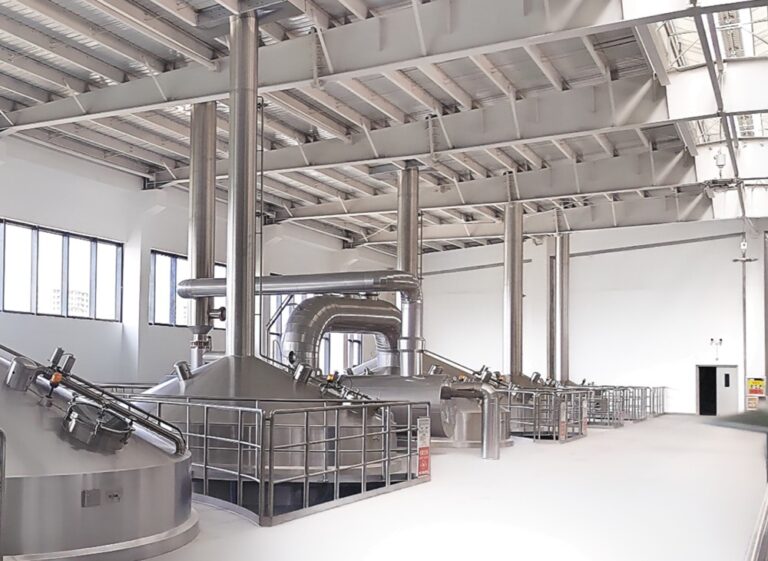
As craft brewers look beyond traditional barley malt, sorghum has become an attractive alternative grain. Its natural gluten-free profile, wide availability, and distinctive flavor potential make it appealing for innovative and health-conscious beer styles. However, brewing with sorghum is not a simple ingredient swap. From a technical standpoint, it places specific demands on brewing equipment, especially in the brewhouse. Understanding these requirements is key to producing consistent, high-quality sorghum beer.

The first and most critical difference lies in starch gelatinization temperature. Barley starch gelatinizes at around 62–65°C, which fits standard infusion mash systems. Sorghum starch, by contrast, requires much higher temperatures—typically 85–95°C. This means mash tuns or cereal cookers must be capable of reaching near-boiling temperatures with stable control. Many systems designed only for barley lack sufficient heating capacity, so breweries may need upgraded heating systems or a dedicated high-temperature gelatinization vessel.
Another major consideration is enzyme use. Unlike malted barley, sorghum provides little natural enzymatic activity. Brewers must rely on commercial enzymes, such as high-temperature α-amylase and glucoamylase, to convert starch into fermentable sugars. As a result, mash equipment must offer precise temperature control and effective agitation, ensuring enzymes work efficiently across multiple temperature stages.
Filtration is one of the biggest operational challenges. Barley husks naturally form a filter bed during lautering, but sorghum has no husk. This often leads to slow or stuck run-offs in traditional lauter tuns. To compensate, many brewers add rice hulls to the mash or adopt mash filters, which handle fine grists better but require higher investment. Whichever approach is chosen, filtration must be addressed at the equipment-planning stage.
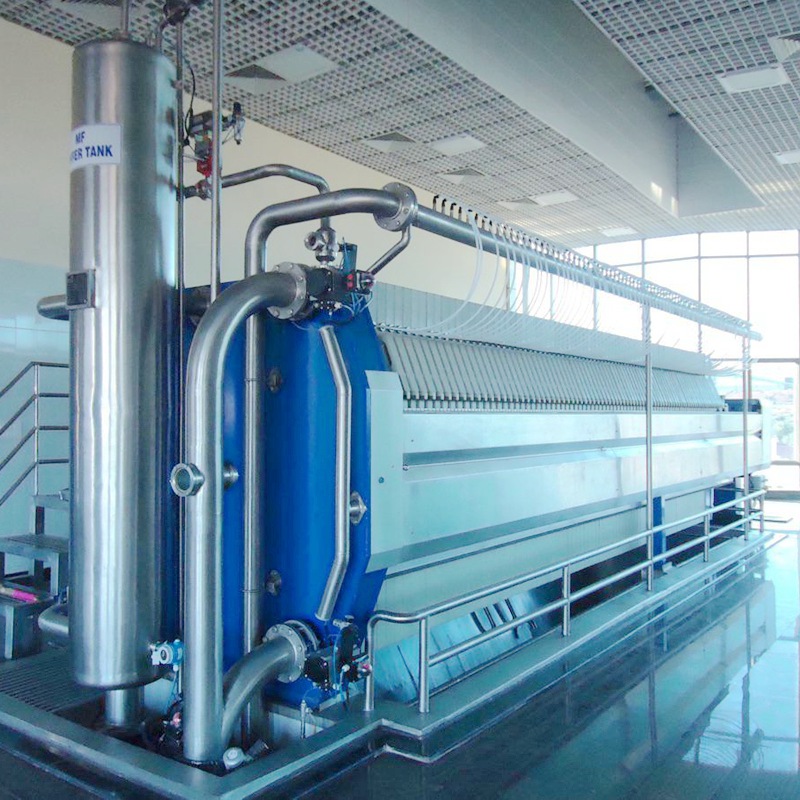
Sorghum mashes are also thicker and more prone to scorching, especially at high temperatures. Mash vessels benefit from robust mixing systems that prevent settling and localized overheating. Proper agitation not only protects flavor quality but also improves extract efficiency.
Downstream processes are more familiar. Boiling kettles and heat exchangers can be standard, though sorghum wort may foam more and foul heat exchangers faster, increasing the importance of good CIP design. Fermentation equipment generally requires no special modification, aside from accurate nutrient dosing to support healthy yeast performance.
In summary, brewing beer with sorghum demands thoughtful equipment design rather than radical reinvention. High-temperature capability, enzyme-friendly control, effective filtration strategies, and strong mixing are the foundations of success. With the right setup, sorghum transforms from a technical challenge into a valuable tool for modern brewing innovation.
If you want to use Sorghum to produce beer, feel free to contact us for a quote.
Thank you very much for your reading.
Helen