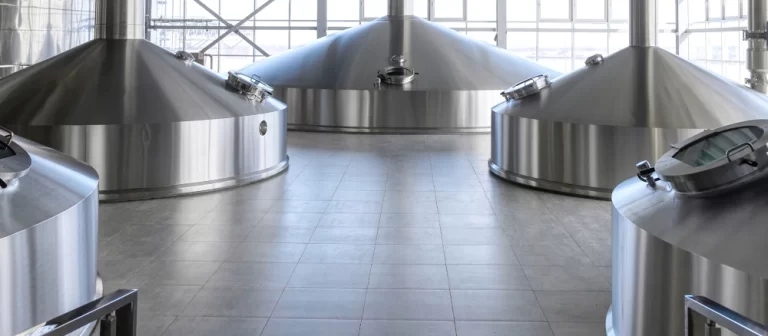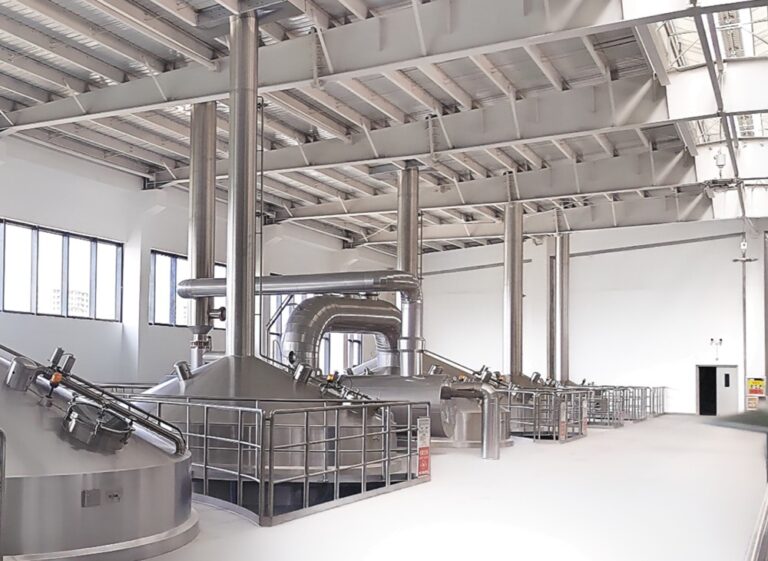
When planning a craft brewery, equipment selection, layout, and workflow often take center stage. However, one critical factor that is sometimes underestimated is ceiling height. The vertical space within a brewery directly impacts not only what equipment you can install, but also how efficiently and safely your operation can run.
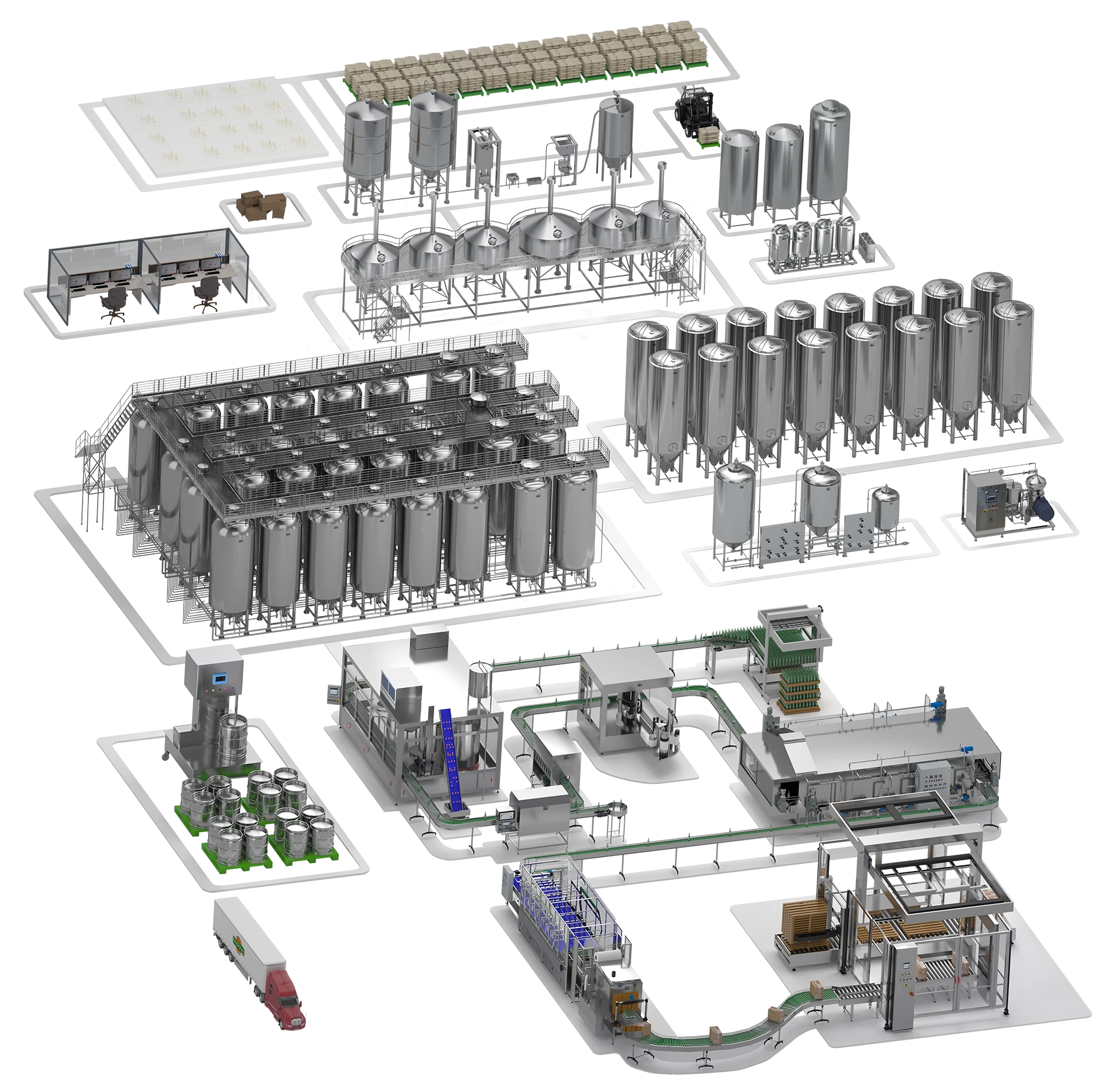
At its core, ceiling height determines the type and size of brewing and fermentation vessels you can accommodate. Fermentation tanks, in particular, tend to be tall and slender, especially in facilities where floor space is limited. Many standard fermenters range from 2.2 to 3 meters in height, and this does not include additional clearance required for fittings, valves, blow-off arms, or lifting equipment. As a rule of thumb, breweries should allow at least 300–600 mm of extra vertical clearance above the tallest piece of equipment to ensure proper installation, maintenance, and safe operation.
Beyond tank installation, ceiling height also affects daily operations. Brewers often need to access the top of tanks for cleaning, inspection, dry hopping, or maintenance. Insufficient headroom can make these tasks difficult or even hazardous. In facilities with low ceilings, operators may need to rely on shorter tanks, which can lead to a larger footprint and reduced production efficiency.
Ventilation and heat management are also closely tied to ceiling height. Brewing processes generate significant heat and steam, especially during boiling and cleaning cycles. Higher ceilings allow heat and moisture to dissipate more effectively, improving overall air quality and reducing strain on ventilation systems. In contrast, low ceilings can trap heat and humidity, creating uncomfortable and potentially unsafe working conditions.
Another important consideration is future scalability. Many craft breweries start small but plan to expand over time. Installing taller or higher-capacity tanks in the future may not be possible if ceiling height is limited. Designing with expansion in mind—by ensuring adequate vertical space from the beginning—can save significant costs and operational disruptions later.
Additionally, ceiling height influences the installation of auxiliary systems such as piping, glycol lines, lighting, and fire safety equipment. Adequate overhead space ensures that these systems can be installed without interfering with tank access or workflow. It also allows for better organization and cleaner layouts, which are essential for both efficiency and compliance with safety standards.
In cases where ceiling height is restricted, careful planning becomes even more important. Options such as custom-designed shorter tanks, horizontal vessels, or split-level installations can help maximize available space. However, these solutions often come with trade-offs in terms of cost, efficiency, or operational convenience.
In conclusion, ceiling height is a foundational aspect of brewery design that should not be overlooked. By carefully evaluating vertical space requirements and planning for both current needs and future growth, brewery owners can create a safer, more efficient, and more adaptable production environment.
Thank you for your reading.
Helen Lee