Selecting the right beer bottling equipment is a crucial step in building or scaling a commercial brewery. The machine you choose affects product quality, efficiency, labor costs, shelf life, and consistency. With today’s competitive craft beer landscape, investing in proper bottling equipment is one of the smartest moves a brewery can make. Here’s a practical guide to help you choose the best system for your production needs.
1.Understand Your Production Volume
Your first consideration should be current output and future growth. Bottling lines range from manual “bench-top” units to fully automated, high-speed machines.
Small Breweries (up to 1,000 bottles/hour):
Semi-automatic fillers are cost-effective and flexible. Ideal for startups producing limited batches or seasonal releases.
Mid-Sized Breweries (1,000–6,000 bottles/hour):
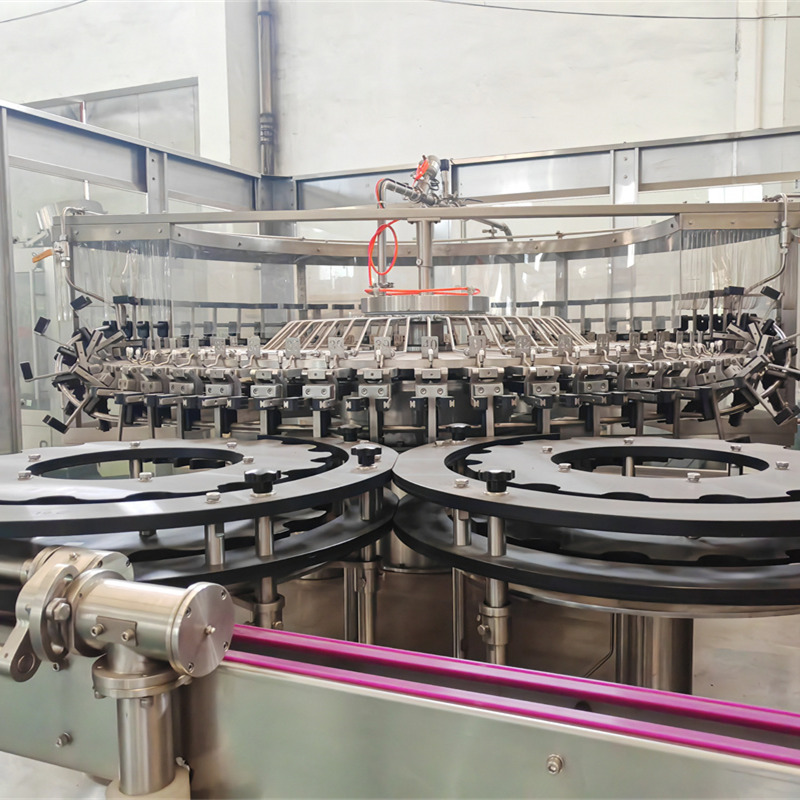
Automated monoblock systems integrating rinsing, filling, and capping provide consistency and reduce labor.
Large Breweries (6,000+ bottles/hour):
High-speed rotary bottling lines with advanced controls handle massive volumes efficiently.
Choosing equipment that can scale with your planned expansion prevents costly replacements later.
2.Choose the Right Filling Technology
Bottling equipment generally uses one of three common filling methods:
Gravity Filling:
Simple and cost-effective, best for still beverages or very low-carbonation beers. Not ideal for modern craft brews.
Counter-Pressure Filling:
The industry standard for carbonated beer. It maintains CO₂ levels and minimizes foaming, making it essential for preserving flavor and freshness.
Isobaic Filling:
A more advanced form of counter-pressure filling used in high-end automated systems. It ensures ultra-low oxygen pickup and consistent carbonation levels.
For commercial breweries, counter-pressure or isobaric filling is the best choice.
3.Prioritize Low Oxygen Pickup (DO)
Dissolved oxygen is the enemy of beer quality. It dulls hop aroma, causes staling, and shortens shelf life—especially for IPAs and other hop-forward styles.
Look for equipment with:
Pre-evacuation purging (vacuum + CO₂)
Double pre-evacuation cycles
Oxygen-scavenging foam injection
Accurate filling valves
In modern craft brewing, keeping DO below 50 ppb during packaging is a benchmark for quality.
4.Assess Automation and Labor Needs
Automation significantly reduces labor costs and human error.
Semi-automatic lines require more hands-on operation but offer flexibility.
Fully automated systems handle rinsing, filling, capping, labeling, and even packaging.
If you’re planning rapid growth or consistent, high-volume production, automation is worth the investment.
5.Consider Bottle Types and Compatibility
The equipment must match the packaging formats you plan to use:
330ml or 355ml standard bottles
500ml bottles
Specialty shapes
Crown caps or swing-tops
Machines with adjustable guides offer flexibility for future product lines.
6.Look at Cleaning and Maintenance Requirements
A reliable bottling line should feature:
CIP capability
Easy-to-remove filling heads
Stainless steel construction
Accessible service parts
Clean equipment equals better beer and fewer production issues.
The right beer bottling equipment ensures consistency, protects beer quality, and supports long-term business growth. By considering production volume, filling technology, oxygen control, automation, and bottle compatibility, you can choose a system that matches your brewery’s needs today—and supports your ambitions tomorrow.
Invest wisely, and your bottling line will become a backbone of your brewery’s success. Cheers!
Thank you very much for your reading.
Helen