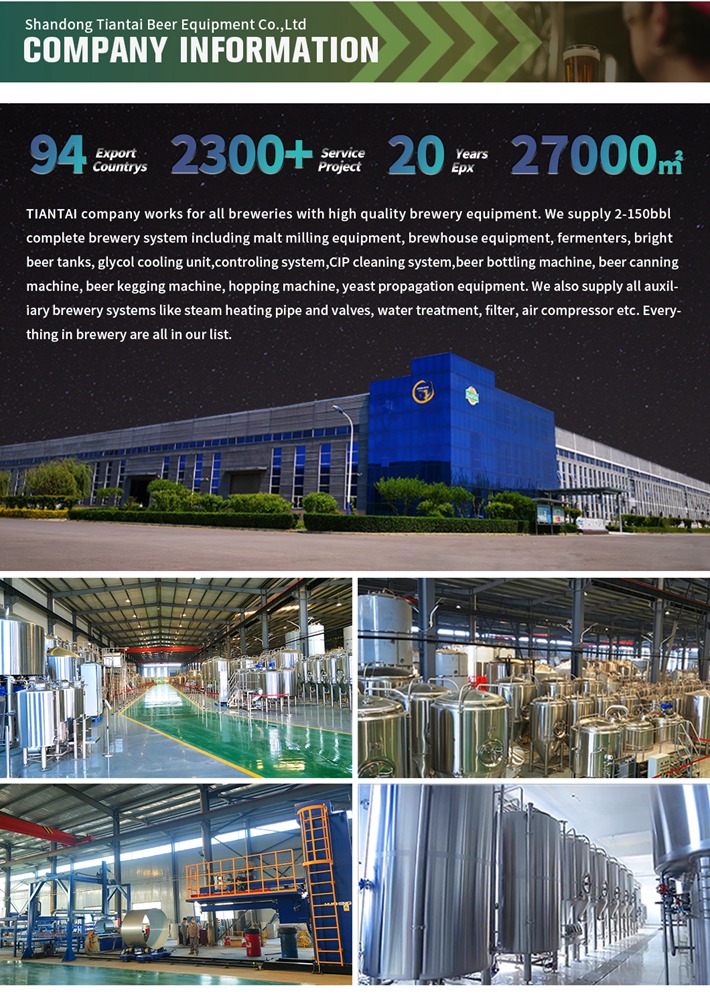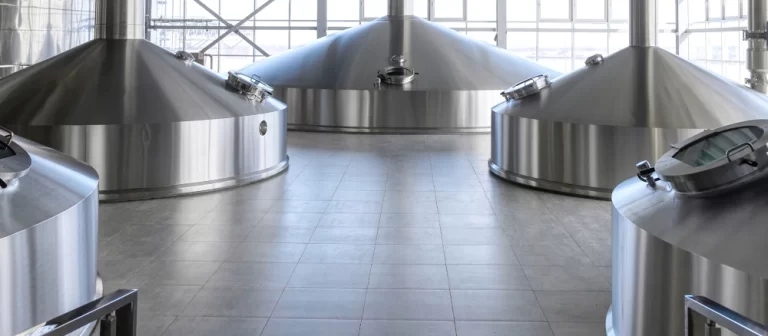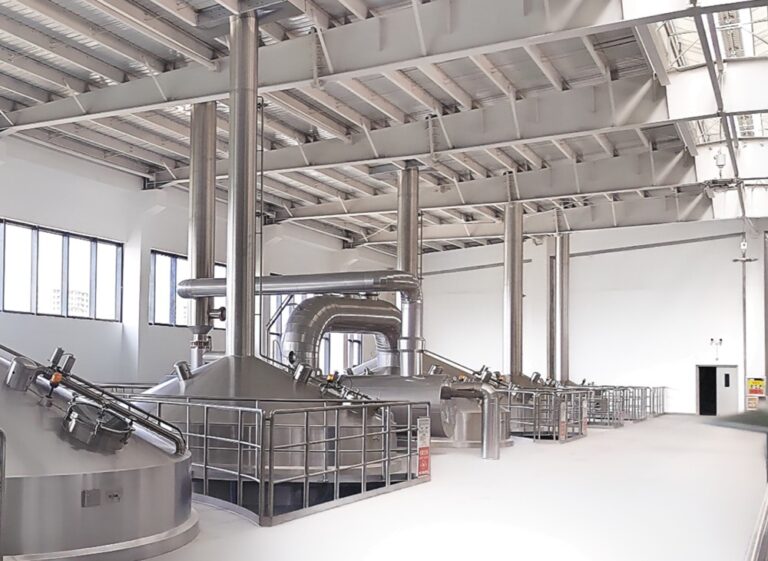
The mashing process is a pivotal stage in both whisky and beer production, where enzymes break down starches into fermentable sugars. This step not only influences the final alcohol content but also significantly impacts the flavors, aromas, and mouthfeel of the finished product. One of the most important factors in mashing is the control of rest temperatures and times, which allows brewers and distillers to optimize the enzymatic activity that drives starch conversion.
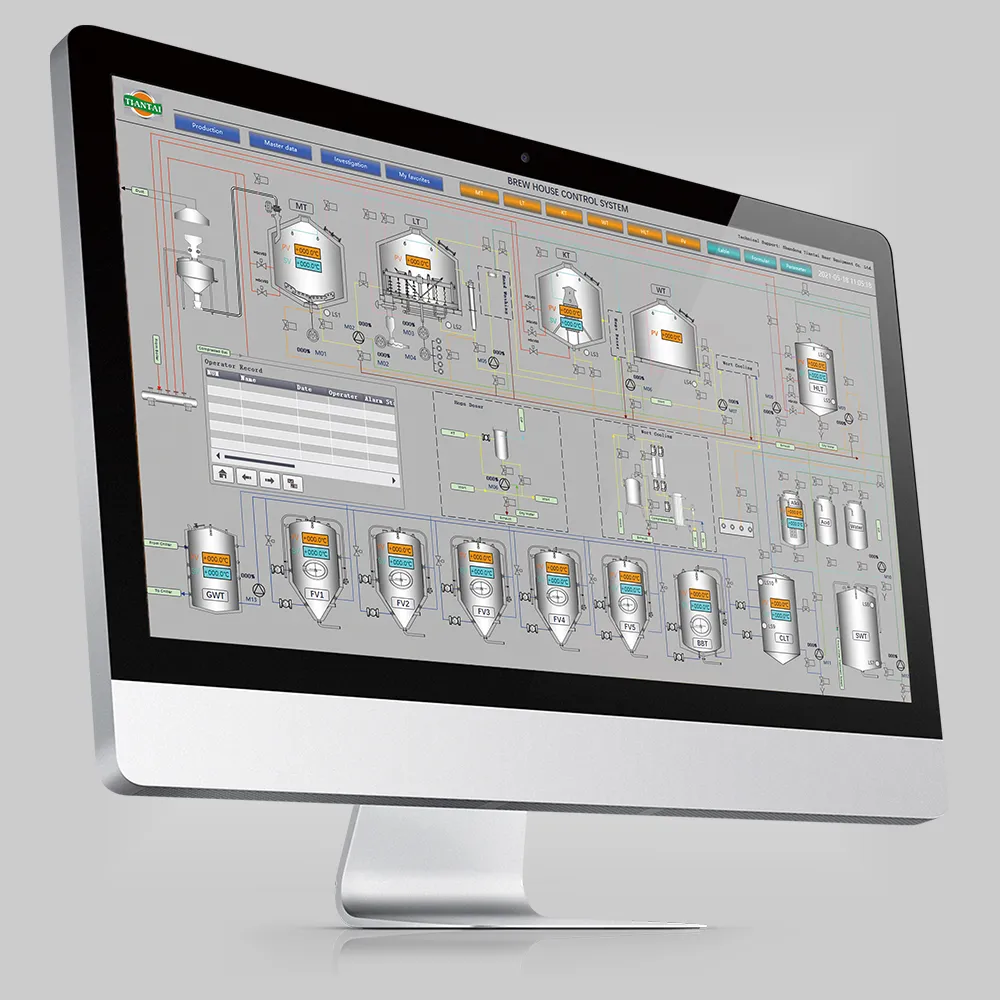
In this Article, we’ll explore how to control rest temperatures and mash times during mashing, highlighting the science behind the process and how it affects the final product.
The Role of Rest Temperatures and Times in Mashing
Mashing involves heating the grain (usually malted barley, corn, or rye) with water to a temperature where enzymes can break down starch into sugars. The starches are then converted into fermentable sugars that the yeast will later consume to produce alcohol. However, enzymes work best at specific temperatures, and controlling these temperatures at different stages of mashing ensures that the right amount of sugars is produced without compromising the flavor or mouthfeel.
Each rest temperature corresponds to the activation of specific enzymes:
Beta-amylase: This enzyme breaks down starches into maltose, the sugar that yeast can ferment into alcohol. Beta-amylase works best at 60–65°C (140–149°F).
Alpha-amylase: Alpha-amylase breaks down starches into dextrins, which are longer sugar chains. It operates best at 70–75°C (158–167°F).
Proteases: These enzymes help break down proteins and are vital for creating a clear beer or spirit. Proteases generally work best at lower temperatures around 50–55°C (122–131°F).
By adjusting the rest temperatures, distillers and brewers can optimize the balance between fermentable sugars, mouthfeel, and clarity.
Key Rest Phases in Mashing
During mashing, different rest temperatures are maintained at specific intervals to allow different enzymes to work on the starches and proteins. These stages are carefully controlled to maximize the conversion of starches to fermentable sugars and to ensure the correct texture and flavor of the final product.
- Protein Rest (Optional)
Temperature Range: 50–55°C (122–131°F)
Time: 10–30 minutes
The protein rest is typically used when brewing with grains like wheat or rye, which have higher protein content. At this stage, proteolytic enzymes (proteases) break down proteins, improving the clarity and mouthfeel of the final product. If this step is skipped, the final product may have a cloudy appearance and a more viscous mouthfeel.
- Beta-Amylase Rest
Temperature Range: 60–65°C (140–149°F)
Time: 20–30 minutes
This rest is crucial for the conversion of starches into maltose, which is highly fermentable by yeast. The Beta-amylase rest produces sugars that contribute to both the alcohol content and the flavor of the final product. A typical beta-amylase rest lasts for about 20–30 minutes to ensure the optimal breakdown of starch into fermentable sugars.
- Alpha-Amylase Rest
Temperature Range: 70–75°C (158–167°F)
Time: 20–30 minutes
After the beta-amylase rest, the mash is raised to the higher temperature range for alpha-amylase to further break down the starches into dextrins. These longer sugar chains are not directly fermentable by yeast but contribute to the body and mouthfeel of the final product. This rest ensures that there is a balance of fermentable sugars (from beta-amylase) and non-fermentable dextrins (from alpha-amylase) to enhance both the alcohol content and the mouthfeel of the final product.
- Mash-Out
Temperature Range: 78–80°C (172–176°F)
Time: 5–10 minutes
The mash-out step is designed to stop the enzymatic activity and to ensure that the mash is fluid enough to allow for efficient wort separation. This step raises the temperature of the mash to around 78°C to deactivate the enzymes and stabilize the mash before lautering. It also helps to maintain a consistent viscosity for easier extraction of fermentable sugars during the lautering phase.
Controlling Rest Temperatures and Times
The exact rest temperatures and times can vary based on the recipe, the grain bill, and the desired characteristics of the final product. Here’s how to effectively control rest temperatures and times:
- Automated Temperature Control
Most modern brewing and distillation systems come with automated temperature control systems that allow precise adjustments. Using programmable mash tuns or mash vessels, brewers and distillers can set specific temperatures and times for each stage of the mash, ensuring consistency across batches.
- Step Mashing vs. Single Infusion Mashing
Step Mashing: This method involves heating the mash through multiple stages (each with a different temperature) to target specific enzyme activation. It’s typically used when working with complex or high-protein grains.
Single Infusion Mashing: This method uses one temperature for the entire mash. It’s simpler and often used for lighter, less complex mashes.
- Rest Duration
While temperature control is critical, so is the duration of each rest. Shortening rest times can result in incomplete starch conversion, while extended rests may lead to unwanted breakdown of sugars or flavors. Timing is crucial to achieving the correct balance of fermentable sugars, dextrins, and flavor compounds.
Why Temperature and Time Matter for Quality
The key to a high-quality spirit or beer is balance. The rest temperatures determine how much of the starch is converted into fermentable sugars, while the rest times allow these enzymes to work efficiently. By carefully controlling these parameters, brewers and distillers can optimize their products for alcohol content, mouthfeel, clarity, and flavor complexity.
Conclusion
Controlling rest temperatures and times during mashing is essential for the production of high-quality whisky and beer. Each rest phase serves a distinct purpose in the breakdown of starches, proteins, and sugars. By understanding the optimal temperature ranges and rest times for different enzymes, brewers and distillers can fine-tune their mashing process to create beverages that are balanced, flavorful, and consistent. Whether you are making whisky, beer, or any other fermented spirit, mastery of the mashing process will be a key factor in producing a superior product.
Thank you very much for your reading.
Helen