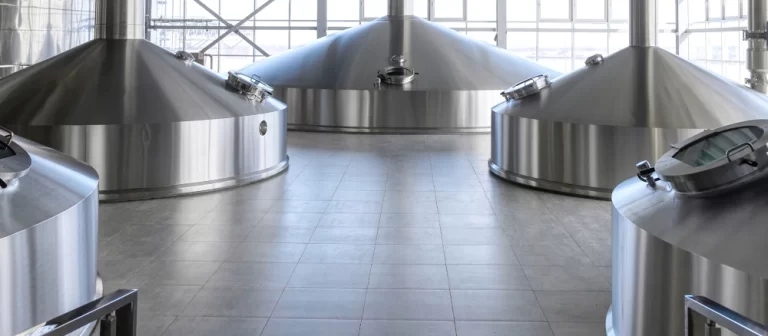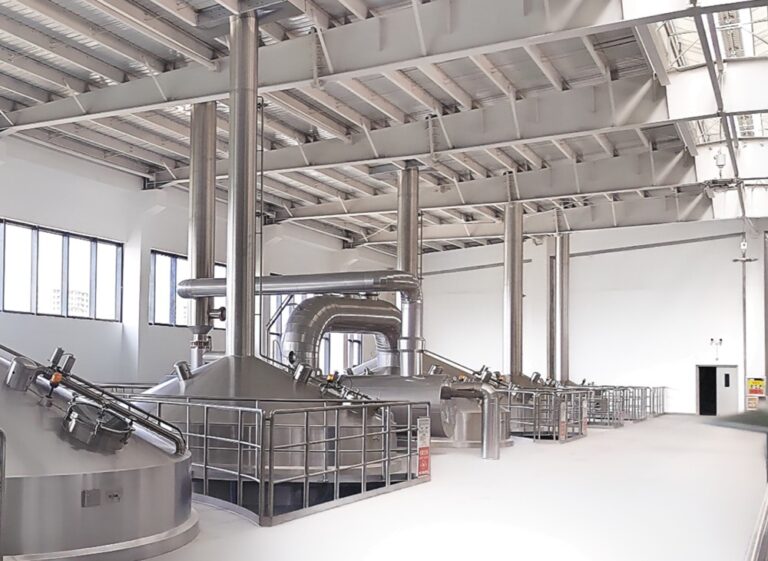
Rum is more than just a spirit—it is a product of tradition, craftsmanship, and precise scientific control. Producing high-quality rum requires careful attention to every stage of the process, and one of the most critical aspects is the distillation equipment. The choice and design of distillation apparatus directly influence flavor, aroma, alcohol purity, and overall product consistency. Understanding the equipment requirements is essential for both established distilleries and emerging producers aiming to create premium rum.
- Distillation Method and Equipment Type
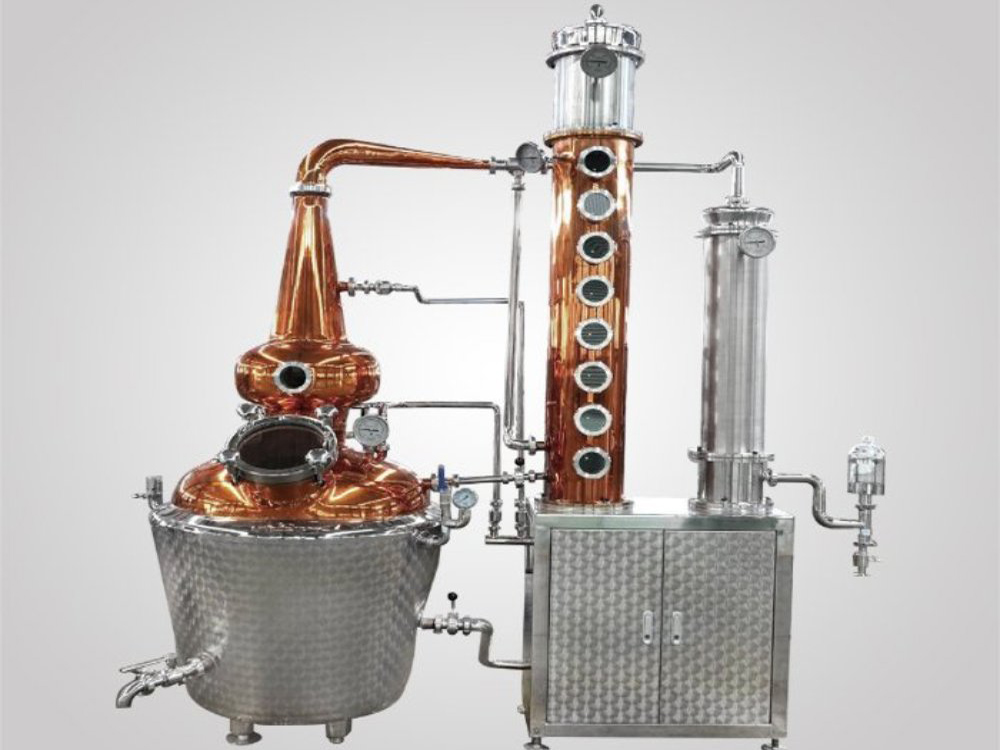
Rum can be produced using either pot stills or column stills, each offering distinct advantages. Pot stills, typically made of copper, are ideal for creating rich, flavorful rums with complex aromatic profiles. They allow for batch distillation, giving the distiller more control over the separation of heads, hearts, and tails. Column stills, on the other hand, are suited for continuous distillation, producing higher-purity rum efficiently and with consistent alcohol content. Some distilleries even use a hybrid approach, combining both methods to balance flavor complexity with production efficiency.
- Material Considerations
The material of construction is another critical factor. Copper remains the industry standard due to its excellent heat conductivity and its ability to react with sulfur compounds, which helps reduce unwanted off-flavors. Stainless steel is often used in hybrid or modern column stills, offering durability, ease of cleaning, and resistance to corrosion. In many cases, a copper-lined column or copper components in key areas provide the benefits of copper without compromising structural integrity.
- Size and Capacity
The size of distillation equipment must align with production goals. Small-batch craft producers often choose smaller pot stills to maintain artisanal control over flavor, while larger commercial operations require column stills capable of continuous operation and higher throughput. When planning capacity, it is essential to account not only for daily production volumes but also for flexibility to adjust for seasonal demand or experimental batches.
- Temperature and Pressure Control
Precise temperature and pressure control is crucial in rum distillation. Overheating can degrade delicate esters, while insufficient heat can lead to incomplete alcohol separation. Modern distillation systems are equipped with automated heating and cooling controls, pressure sensors, and reflux management features to maintain consistent operating conditions. Accurate control ensures that each batch meets quality standards and preserves the signature flavor profile.
- Ease of Cleaning and Maintenance
Hygiene is paramount in distillation. Residual sugars or fermentation byproducts left in the equipment can compromise the next batch. Distillation systems designed with accessible ports, CIP (Clean-in-Place) capabilities, and smooth internal surfaces make cleaning easier and reduce the risk of contamination. Proper maintenance extends the life of the equipment and ensures reliable, high-quality production.
- Flexibility for Innovation
Finally, modern rum producers often experiment with flavors, barrel finishes, and aging techniques. Distillation equipment should offer flexibility for recipe adjustments, variable reflux ratios, and small-batch experimentation. A versatile system allows distillers to innovate while maintaining consistent output and alcohol quality.
In conclusion, producing premium rum requires careful consideration of distillation equipment. From choosing the right still type and construction materials to ensuring precise temperature control and ease of maintenance, each aspect affects the final product’s quality. Investing in well-designed, flexible, and reliable equipment enables distillers to create flavorful, high-quality rum efficiently while supporting long-term growth and innovation.
Thank you for your reading.
Helen Lee