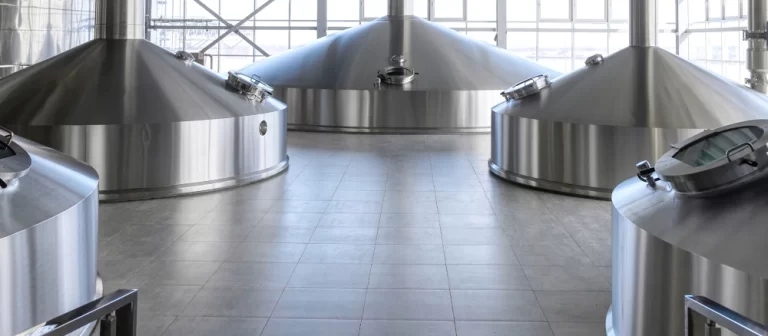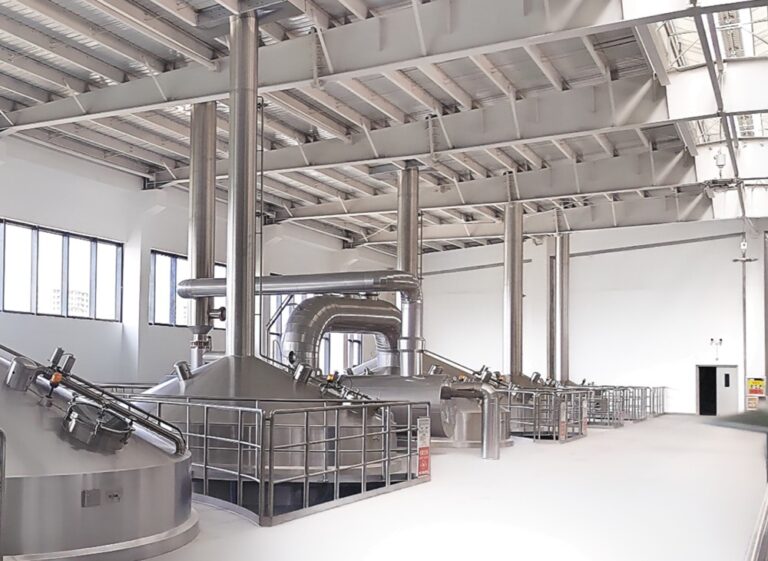
Lors de la construction d'une brasserie ou de la planification d'une nouvelle usine de micro-brasserie, il est essentiel de bien préparer le déchargement et l'installation des équipements. Une liste de contrôle bien organisée permet de s'assurer que chaque pièce de l'équipement de Tiantai - des systèmes de salle de brassage aux cuves de fermentation et aux cuves de cave - peut être déballée, positionnée et installée en toute sécurité, sans retard ni risque.
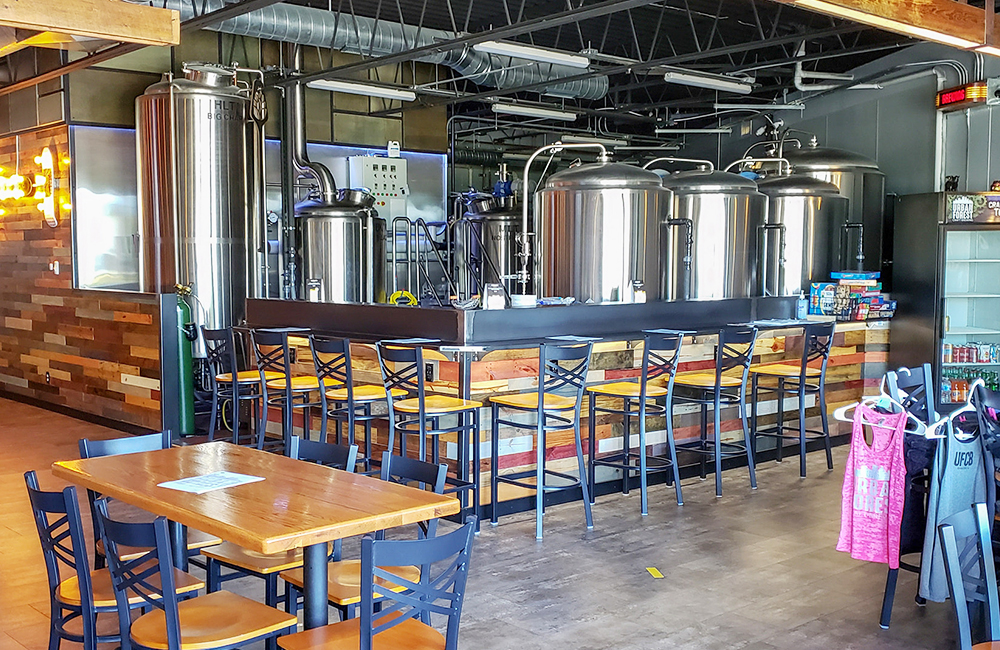
Vous trouverez ci-dessous un guide pratique qui vous aidera à préparer une installation d'équipement de brasserie efficace et sans heurts.
1. Préparation du déchargement de l'équipement
Le jour de la livraison, l'un des plus grands défis consiste à décharger du camion les grandes pièces d'équipement de brasserie. Ces articles, en particulier les cuves de la salle de brassage et les grands fermenteurs, sont hauts, lourds et difficiles à manœuvrer.
Vous avez deux options principales de déchargement :
Option A : deux chariots élévateurs
L'utilisation de deux chariots élévateurs permet de tirer lentement l'équipement vers l'extérieur et de l'abaisser au sol.
Cette méthode nécessite :
Conducteurs expérimentés
Attribution claire des rôles
Bonne communication
Lorsqu'un opérateur tire l'équipement vers l'extérieur, le second opérateur doit soutenir l'arrière pour éviter de glisser ou de basculer.
Option B : Chargeur latéral
Un chargeur latéral peut soulever le conteneur entier du camion et le placer sur le sol.
Cela réduit considérablement le risque de faire tomber ou d'endommager l'équipement, car tout est déjà au niveau du sol lorsque vous commencez à décharger.
Une fois que les réservoirs sont debout, vous pouvez utiliser un transpalette pour les déplacer à l'aide des supports de jambes horizontaux.
2. Outils et équipements recommandés
Avant de commencer à décharger votre équipement de bière Tiantai, assurez-vous d'avoir les outils suivants à votre disposition :
2 × chariots élévateurs avec rallonges de fourches
2 × transpalettes
2 × manilles D
2 × sangles de levage (poids nominal ≥ 3000 kg)
10 × blocs de bois (pour la mise à niveau ou le soutien temporaire)
1-2 × perceuses électriques avec HEX et jeu de vis
1 × pied de biche
1 × marteau
2 × morceaux de mousse (pour protéger les surfaces de l'équipement)
Pour soulever des citernes de grande taille, envisagez d'utiliser un camion-grue ou de remplacer un chariot élévateur par un chariot élévateur télescopique.
3. Séquence de déchargement intelligente
Une fois que votre équipement de brasserie est sorti du camion en toute sécurité, l'ordre de déchargement est important.
Pour éviter de bloquer les voies de circulation ou de bloquer le matériel :
Évaluer la taille et le poids de chaque navire
Identifier le meilleur itinéraire pour déplacer des réservoirs de grande taille
Utiliser des rallonges de fourche pour les récipients dont le diamètre est plus large (par exemple, la MLT).
Réfléchissez bien à l'agencement de votre salle de brassage. Déplacez d'abord l'équipement destiné à l'arrière de la brasserie, puis remplissez-le progressivement vers l'avant.
4. Faire coïncider exactement la mise en page
Chaque cuve doit correspondre à l'emplacement indiqué dans le plan de la brasserie.
L'équipement de la salle de brassage doit être positionné avec précision, car toutes les cuves sont reliées entre elles par des canalisations.
Les fermenteurs et les cuves de cave sont généralement plus faciles à positionner, mais nécessitent un espacement correct pour la tuyauterie de glycol, l'accès CIP et l'entretien futur.
Un placement incorrect peut ralentir l'installation, nécessiter des travaux de reprise ou causer des problèmes de tuyauterie, de drainage et de services publics.
5. Besoin de conseils professionnels ?
Un déchargement et une installation efficaces sont des étapes cruciales dans la construction d'une brasserie.
Si vous avez besoin de conseils d'experts ou d'un soutien adapté à votre projet, notre équipe est là pour vous aider.
Tiantai fournit non seulement un équipement de bière de haute qualité, mais aussi une conception détaillée, des conseils d'installation et une assistance technique complète.
Si vous souhaitez obtenir davantage de conseils pour assurer un déchargement et une installation en douceur de l'équipement de brasserie Tiantai, n'hésitez pas à nous contacter.
[email protected]
Emily Gong