
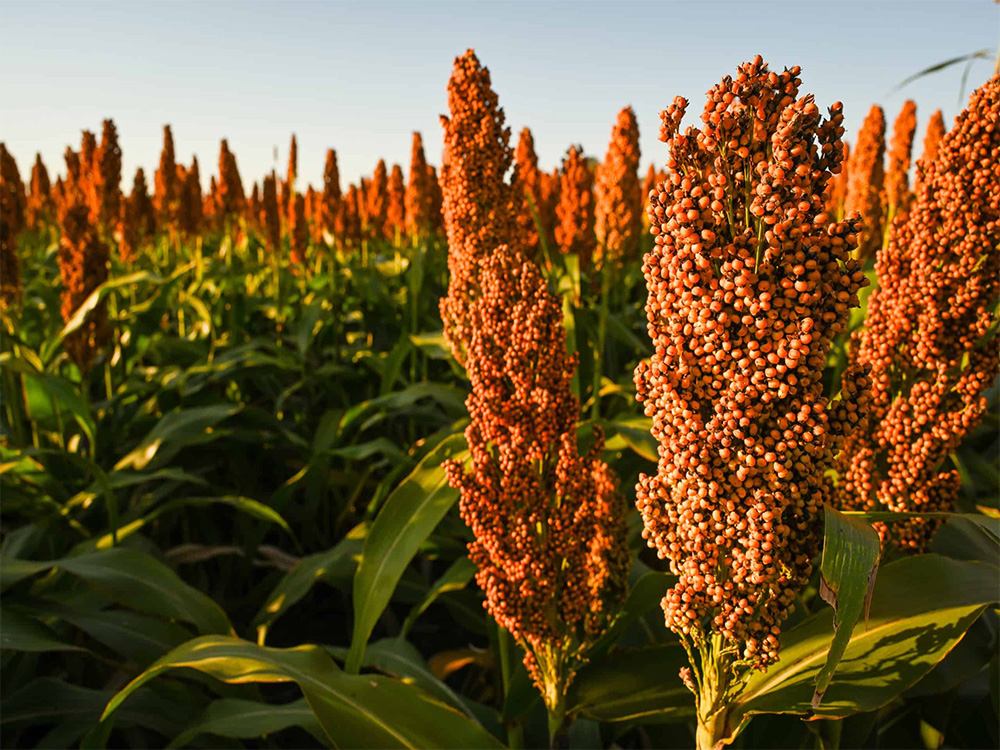
Le sorgho, une céréale sans gluten, gagne en popularité parmi les brasseurs qui recherchent des ingrédients alternatifs pour produire des bières uniques et savoureuses. Le brassage avec du sorgho offre des possibilités passionnantes, mais il s'accompagne également de considérations spécifiques pour assurer la réussite d'un lot. Que vous fabriquiez des bières artisanales en petites séries ou que vous expérimentiez des recettes innovantes, il est essentiel de comprendre les caractéristiques du sorgho pour obtenir les meilleurs résultats.
1. préparation du sorgho
Le malt de sorgho se comporte différemment du malt d'orge en raison de sa teneur plus élevée en amidon et de son activité enzymatique plus faible. De nombreux brasseurs choisissent le sirop de sorgho précuit ou le sorgho malté pour simplifier le processus de brassage. Si l'on utilise des grains de sorgho bruts, un broyage et une gélatinisation appropriés sont essentiels pour rendre les amidons fermentescibles. Une mouture finement broyée garantit une extraction efficace des sucres et une fermentation plus douce.
2. soutien enzymatique
Comme le sorgho ne possède pas suffisamment d'enzymes naturelles pour la conversion de l'amidon, les brasseurs ajoutent souvent de l'amylase ou d'autres enzymes d'empâtage au cours du processus de brassage. Cette étape est cruciale pour obtenir un moût entièrement fermentable, ce qui se traduit par une teneur en alcool constante et la douceur souhaitée.
3. gestion de la trempe et de la fermentation

Les moûts de sorgho ont tendance à être plus épais et plus visqueux que les moûts d'orge. L'utilisation d'une cuve d'empâtage ou d'un fermenteur bien équipé, avec une agitation douce, permet de maintenir l'uniformité, d'éviter la décantation et de favoriser une activité saine des levures. Un bon contrôle de la température est également essentiel, car le moût fermenté au sorgho peut être plus sensible aux fluctuations.
4. considérations relatives à la saveur
Le sorgho apporte une saveur plus légère, légèrement sucrée, avec de subtiles notes céréalières. En équilibrant le sorgho avec du houblon, des céréales d'appoint ou des malts spéciaux, on peut améliorer la complexité et créer un profil de bière plus rond. Expérimenter d'abord avec de petits lots permet d'affiner les combinaisons de saveurs avant d'augmenter la production.
5. l'équipement et l'hygiène
La propreté est toujours essentielle, mais elle l'est encore plus pour la bière de sorgho, qui peut être sujette à contamination si elle n'est pas surveillée. Veillez à ce que toutes les cuves, les vannes et les canalisations soient parfaitement désinfectées. L'utilisation de fermenteurs modernes en acier inoxydable, dotés d'orifices d'échantillonnage et d'un système de contrôle de la température, facilite le processus et le rend plus fiable.
Conclusion
Le brassage de la bière avec du sorgho ouvre la voie à des bières sans gluten, innovantes et savoureuses, mais il faut prêter attention à la préparation du grain, au soutien enzymatique, à la consistance de la trempe et au contrôle de la fermentation. Avec l'équipement adéquat et une manipulation soigneuse, les brasseurs peuvent transformer le sorgho en une bière douce et agréable qui se démarque sur le marché.
Vous souhaitez expérimenter le brassage du sorgho ? Nos fermenteurs et nos systèmes de brassage offrent la précision, la flexibilité et les contrôles d'hygiène dont vous avez besoin pour produire des bières de sorgho de haute qualité, lot après lot.
Merci beaucoup pour votre lecture.
Hélène