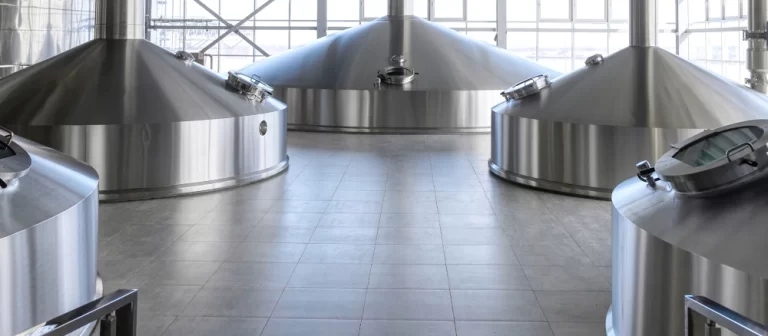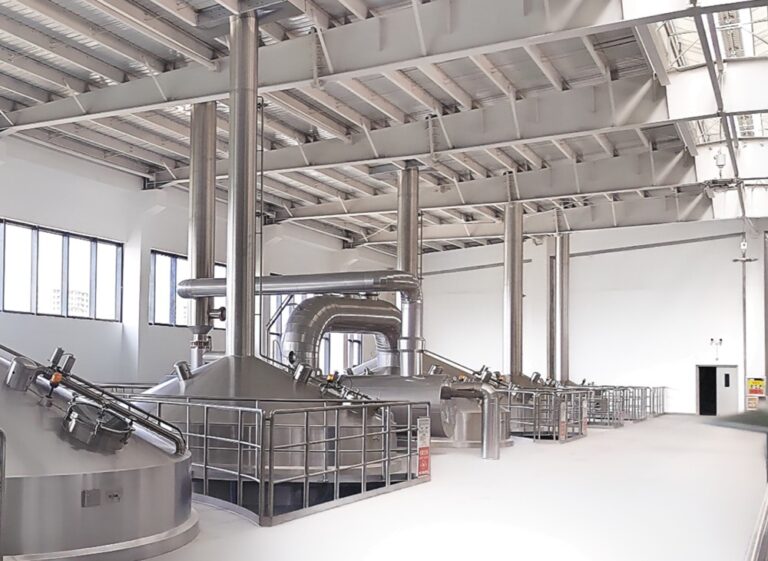
In any brewery, winery, or distillery, fermentation tanks are at the heart of production. They are where raw ingredients transform into finished products, developing flavor, aroma, and character. However, behind every successful batch lies a critical yet often underestimated process: cleaning. Maintaining spotless fermentation tanks is essential not only for product quality but also for operational efficiency and brand reputation. Yet, it comes with a unique set of challenges.
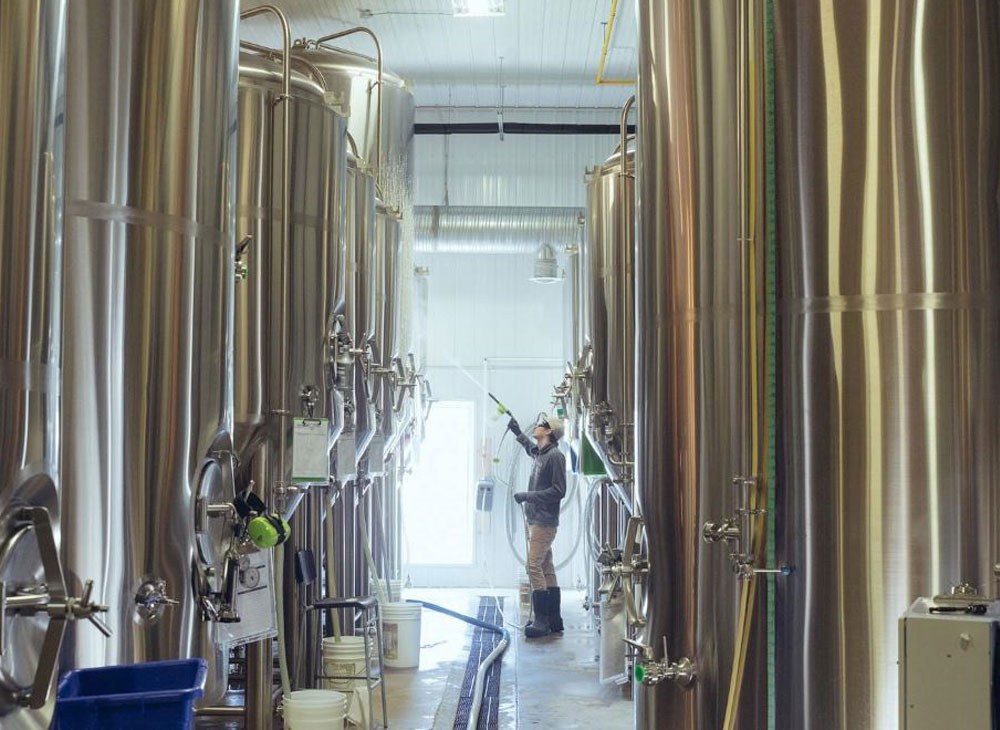
One of the primary difficulties in cleaning fermentation tanks is their complex internal structure. Many tanks include cooling jackets, racking arms, valves, and fittings that create hard-to-reach areas. Residual yeast, protein deposits, and biofilm can accumulate in these zones, increasing the risk of contamination if not thoroughly removed. Traditional manual cleaning methods are often insufficient, time-consuming, and inconsistent, especially when dealing with larger or more sophisticated vessels.
Another major challenge is balancing cleaning effectiveness with resource efficiency. Excessive use of water, chemicals, and energy not only increases operational costs but also raises environmental concerns. At the same time, insufficient cleaning can compromise product integrity, leading to off-flavors or batch losses. Striking the right balance requires both precision and advanced technology.
Downtime is also a critical factor. Every hour spent cleaning is an hour not spent producing. For growing businesses, especially those scaling up operations, minimizing turnaround time between batches becomes increasingly important. Inefficient cleaning processes can create bottlenecks, slowing down production and impacting profitability.
Safety considerations further complicate the process. Fermentation tanks are confined spaces, and cleaning them may expose workers to hazardous chemicals or residual gases. Ensuring proper safety protocols, ventilation, and equipment is essential, but it can also add complexity to routine operations.
This is where modern cleaning solutions, such as automated Clean-in-Place (CIP) systems, offer a significant advantage. Designed to deliver consistent and thorough cleaning without the need for disassembly, CIP systems can reach internal surfaces with precision while optimizing the use of water and cleaning agents. When paired with well-engineered tank designs—featuring smooth welds, proper drainage angles, and strategically positioned spray devices—cleaning becomes faster, safer, and more reliable.
Additionally, customization plays a key role. Not all production facilities are the same, and cleaning systems should be tailored to specific tank sizes, layouts, and production requirements. A well-designed solution not only addresses current challenges but also supports future expansion.
Ultimately, effective fermentation tank cleaning is not just about hygiene—it’s about protecting product quality, improving efficiency, and building a sustainable operation. By investing in smarter equipment and thoughtful design, producers can turn a daily challenge into a competitive advantage.
Tiantai Brewtech, a well-recognized manufacturer of beer and beverage equipment industry based in Jinan city of China, provides compete lines and the turnkey service for breweries and beverage projects worldwide. Since 2001, Tiantai team has witnessed the rapid development of the industry with 19 years of experience,Tiantai Company is committed to the research and the development of diversed brewing process, customized equipment, automatic control, and datalized management. Up to now, Tiantai Company has served more than 3500 breweries in 106countries with our equipment and solutions along with gaining good reputations.
Feel free to contact us for a quote.
Merci pour votre lecture.
Helen Lee