Le malt est le cœur de chaque bière. Sa qualité, sa fraîcheur et sa consistance influencent directement la saveur, l'arôme, le corps et la couleur de la bière finale. Pour les brasseries, qu'elles soient artisanales ou à grande échelle, le stockage et la manipulation corrects du malt sont essentiels au maintien d'une qualité de bière de premier ordre et à une production efficace. Alors, comment les brasseries gèrent-elles exactement leur malt, de la livraison à la mouture ? Voyons cela de plus près.
1) Stockage correct du malt : Conserver les grains frais et secs
L'objectif du stockage du malt est simple : protéger le grain de l'humidité, des parasites et de la contamination. La plupart des brasseries adoptent l'une des méthodes de stockage suivantes, en fonction de leur taille et de l'agencement de leurs installations :
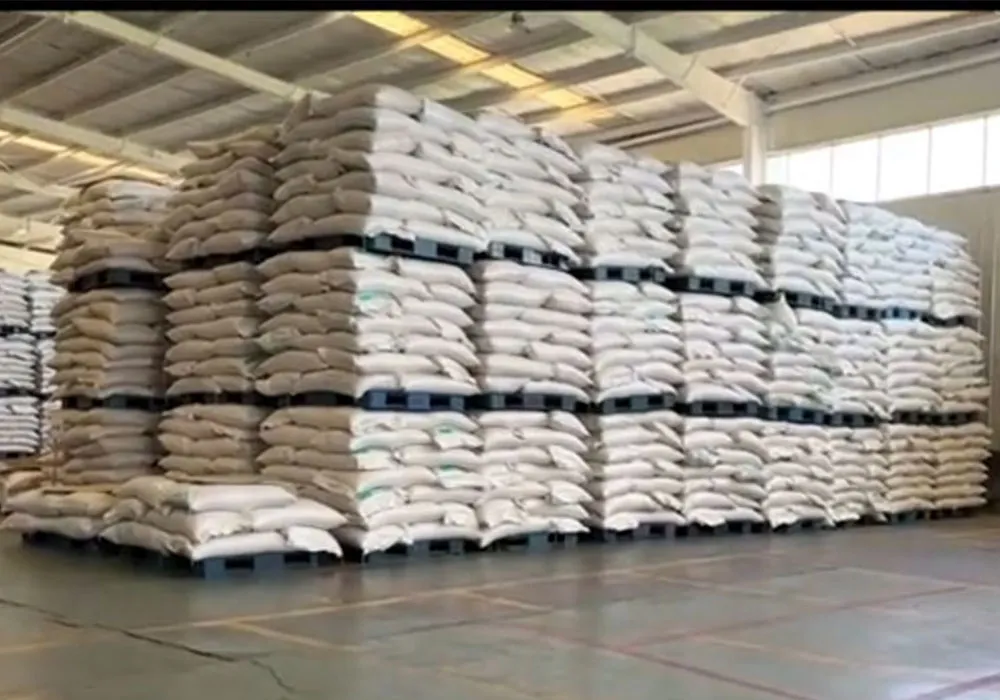
- Sacs sur palettes
Les petites et moyennes brasseries reçoivent souvent le malt en sacs de 25 kg ou 50 lb.
Ces sacs sont stockés :
Sur des palettes pour éviter tout contact direct avec le sol
Dans un endroit frais et sec avec une bonne ventilation
A l'abri du soleil et de l'humidité
Cette méthode est flexible et peu encombrante, mais elle nécessite davantage de manipulations manuelles.
- Silos à malt
Les grandes brasseries investissent généralement dans des silos extérieurs ou intérieurs pour stocker le malt en vrac.
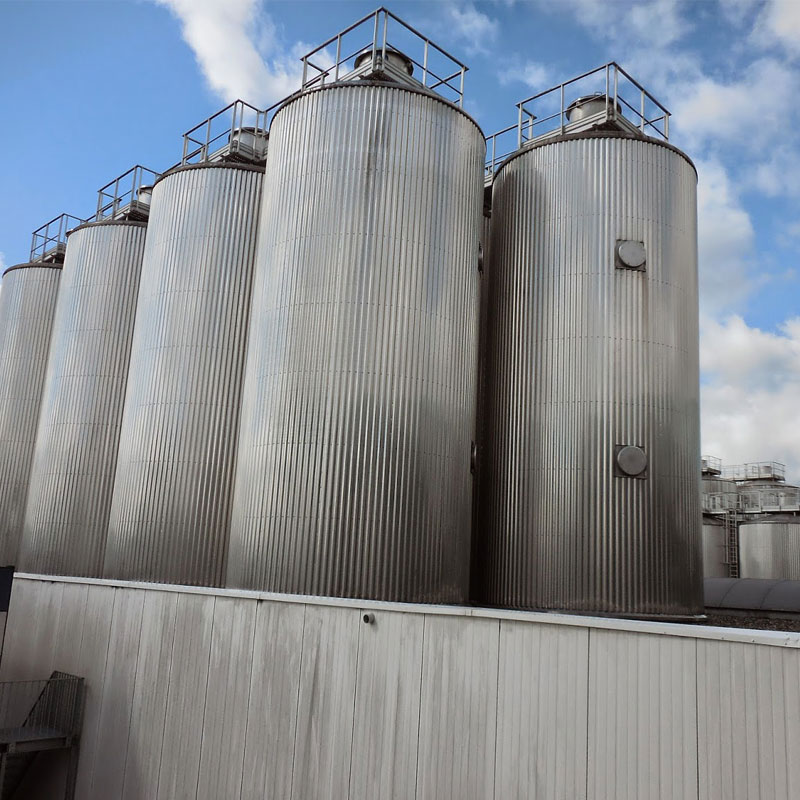
Les avantages du silo sont les suivants
Coût inférieur par kilogramme de malt
Protection contre les intempéries et les parasites
Manipulation plus rapide et automatisée du malt
Réduction de la main-d'œuvre
Le silomalt est livré par camion, soufflé directement dans le silo scellé, où il reste protégé jusqu'au broyage.
2. contrôler l'environnement : L'importance de la température et de l'humidité
L'humidité est le plus grand ennemi du malt. Les brasseurs maintiennent les salles de stockage avec une humidité inférieure à 60% et des températures stables. Un excès d'humidité peut entraîner la formation de moisissures et la détérioration du malt, tandis que des températures élevées peuvent dégrader la saveur et l'activité enzymatique.
Les brasseries bien entretenues ont souvent recours à l'utilisation de l'eau :
Déshumidificateurs en été
Systèmes de circulation d'air
Hygromètres pour contrôler les niveaux d'humidité
La propreté est également un facteur important : le balayage régulier, le passage de l'aspirateur et la lutte contre les parasites assurent la sécurité et la salubrité de la salle de maltage.
- Manipulation du malt : Du stockage au moulin
Une fois que le malt est prêt à être utilisé, les brasseries suivent un processus de manipulation minutieux afin de préserver l'intégrité du grain.
- Transfert manuel
Pour le malt en sac, les brasseurs portent ou utilisent des outils de levage pour transporter les sacs jusqu'au moulin. Les sacs sont ouverts et versés dans une trémie ou une caisse à grains. Bien qu'elle nécessite une main-d'œuvre importante, la manutention manuelle permet aux brasseurs d'inspecter visuellement le grain à chaque fois.
- Systèmes de transport
Les grandes brasseries s'appuient sur des systèmes automatisés tels que :
Tarières
Convoyeurs à chaîne
Lignes de transfert pneumatique
Ces systèmes transportent le malt directement du silo au moulin, minimisant ainsi l'exposition à l'oxygène et évitant toute contamination.
- La mouture : Broyer correctement le malt
Une mouture correcte est essentielle : trop fine, elle peut entraîner des problèmes de délayage ; trop grossière, elle réduit l'efficacité. Les brasseurs ajustent les écarts de broyage en fonction du type de malt et de la configuration de la salle de brassage. Le malt concassé (grist) est ensuite stocké dans une caisse à grist en vue d'un brassage immédiat.
- Maintenir la qualité à chaque étape
Les brasseries conservent la fraîcheur du malt en suivant des pratiques strictes de contrôle de la qualité :
Rotation des stocks selon le principe du "premier entré, premier sorti" (FIFO)
Inspecter le malt pour détecter la présence d'insectes, d'humidité ou d'odeurs inhabituelles.
Suivi des numéros de lot pour la traçabilité
étalonnage régulier de l'équipement de broyage
Certaines brasseries testent même le taux d'humidité et le potentiel d'extraction pour garantir la cohérence d'un lot à l'autre.
Conclusion
Le stockage et la manipulation corrects du malt jouent un rôle essentiel dans la production d'une bière exceptionnelle. Qu'il s'agisse de contrôler l'humidité, de choisir le bon système de stockage ou de maintenir des pratiques de manipulation propres, chaque détail compte. Que votre brasserie utilise du malt en sac ou des silos de grande capacité, l'investissement dans une bonne gestion du malt garantit une meilleure saveur, une plus grande efficacité et un processus de brassage plus fiable.
Vous cherchez à moderniser votre système de maltage ou à améliorer votre flux de production ? Notre équipe peut vous aider à concevoir la bonne solution pour votre brasserie, qu'il s'agisse de systèmes de stockage et de broyage du malt ou d'équipements de salle de brassage clés en main.
Merci beaucoup pour votre lecture.
Hélène