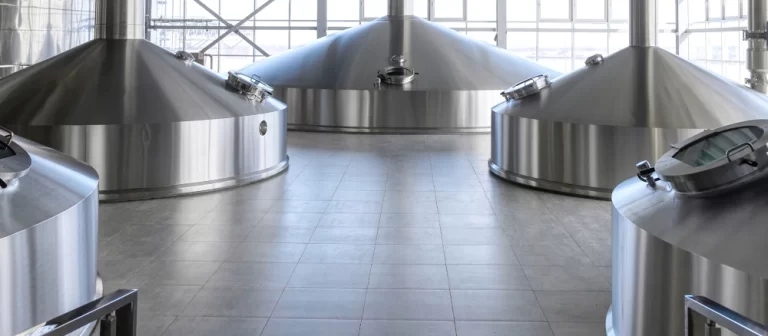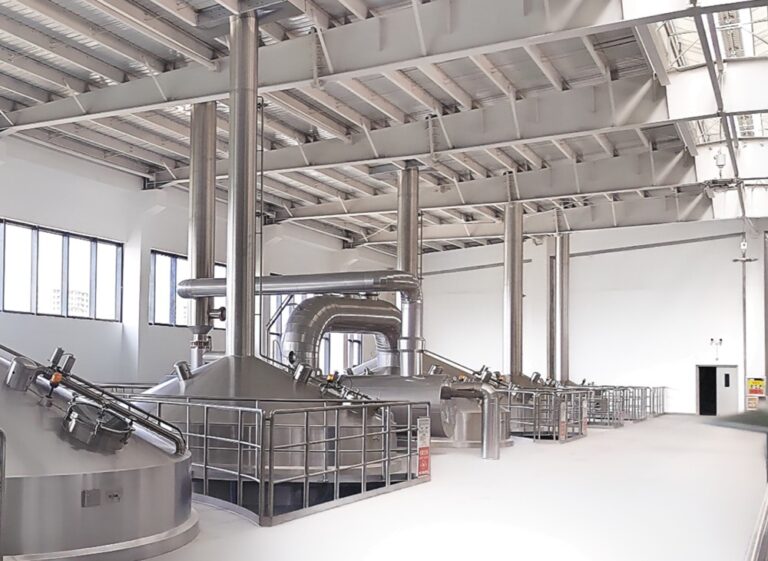
As kombucha continues to gain popularity, many brewers are looking to scale up their production to meet growing demand. Unlike home brewing, industrial kombucha brewing requires specialized equipment designed to handle larger volumes, streamline production processes, and maintain consistent quality. Selecting the right industrial kombucha brewing equipment is crucial to ensure efficiency, flavor consistency, and product safety. In this guide, we’ll explore the key factors to consider when choosing industrial kombucha brewing equipment, from fermentation tanks to bottling systems. The following are features of Kombucha Fermenting Equipment.
Fermentation Vessels (Tanks)
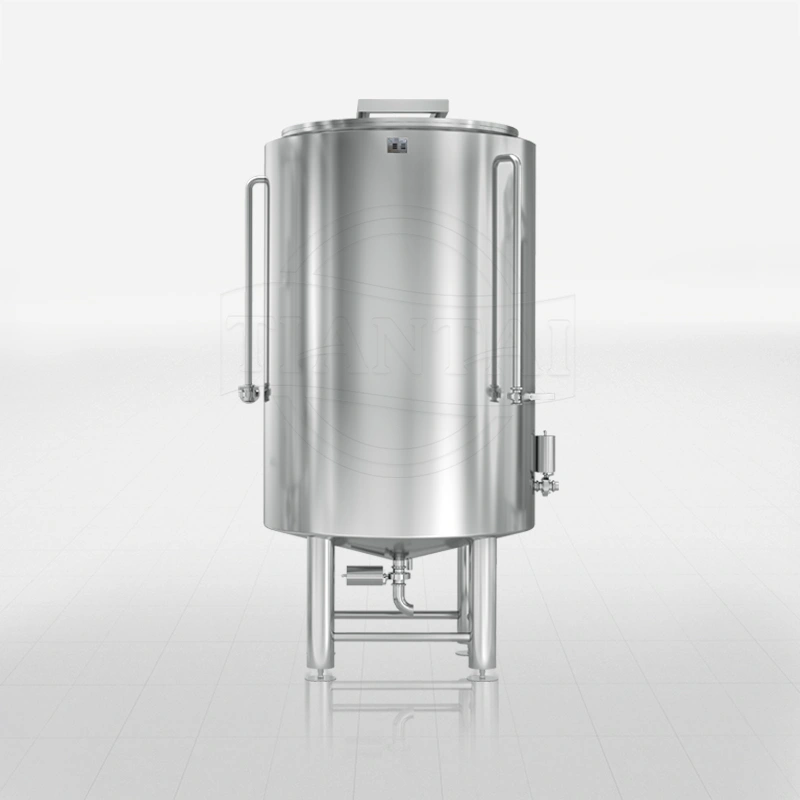
Fermentation vessels, or tanks, are the heart of industrial kombucha brewing. These tanks are designed to hold large volumes of sweetened tea and SCOBY while providing the ideal environment for fermentation.

Key Considerations:
Size and Capacity: Industrial kombucha production requires fermenters with much larger capacities than home brewing. Fermentation tanks can range from 100 gallons (380 liters) to several thousand gallons (3,785 liters). It’s important to choose the right size based on your production goals and scaling plans. Start with a capacity that matches your anticipated demand and allows for future growth.
Matériau: Fermentation tanks are typically made from stainless steel due to its durability, resistance to corrosion, and ease of cleaning. Stainless steel is non-reactive, making it an excellent choice for fermentation, as it will not affect the flavor of the kombucha.
Forme: Choose fermentation vessels with a wide mouth opening. A larger opening ensures ease of access for adding ingredients, removing the SCOBY, and cleaning the vessel. The shape of the tank can also affect fermentation efficiency, as more uniform tanks allow for better heat distribution and airflow.
Contrôle de la température: Temperature is one of the most critical factors in kombucha fermentation. Industrial fermenters often come equipped with temperature control systems, including temperature sensors et heating or cooling jackets to regulate the fermentation environment. Maintaining the ideal temperature range (65°F-75°F or 18°C-24°C) is essential for healthy fermentation and consistent results.
Airflow: Proper airflow is necessary for optimal fermentation. Look for tanks that include air filtration systems ou airlocks to allow gases like carbon dioxide to escape while preventing contamination.
Conclusion
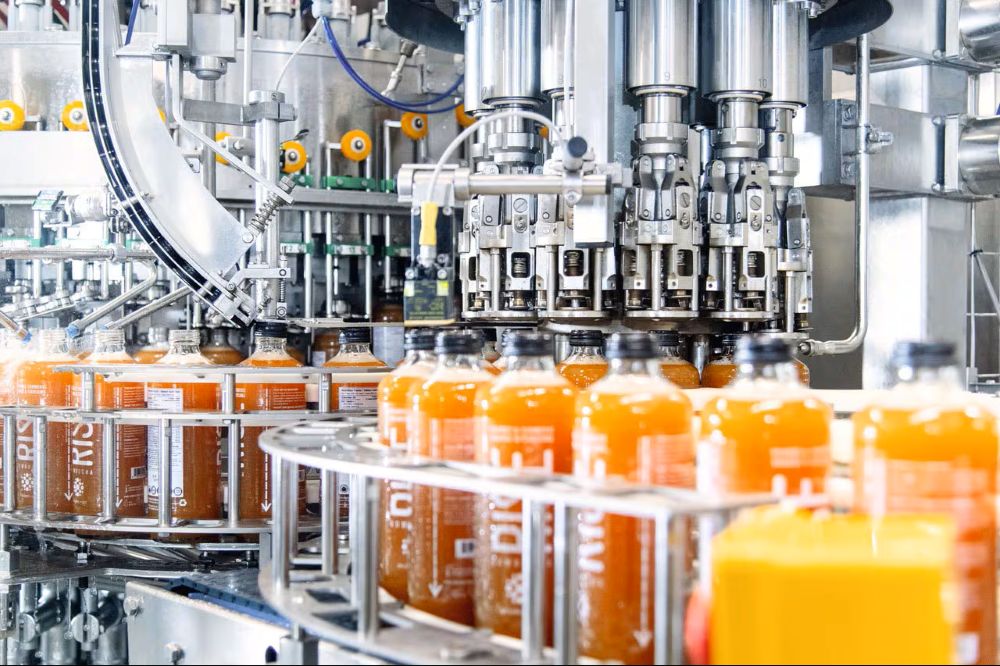
Choosing the right industrial kombucha brewing equipment is essential for scaling up production while maintaining the quality, flavor, and safety of the product. By considering key factors like fermentation tanks, SCOBY management, filtration, bottling systems, and automation, you can set up a brewing system that suits your needs and optimizes production efficiency. The right equipment will help you meet growing demand, produce consistent batches, and maintain the craft-like qualities that kombucha consumers expect. Whether you’re brewing small-scale artisanal batches or mass-producing kombucha for distribution, selecting the right equipment will ensure your business thrives.