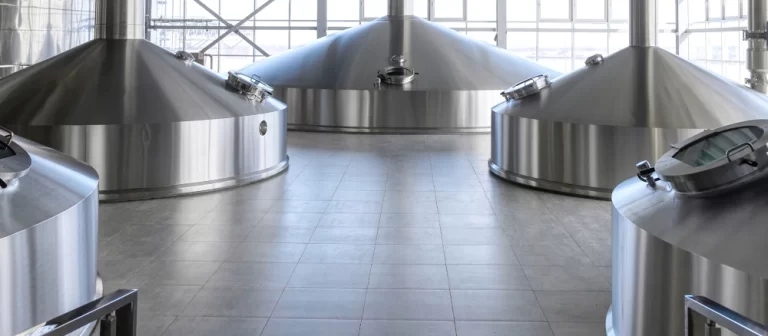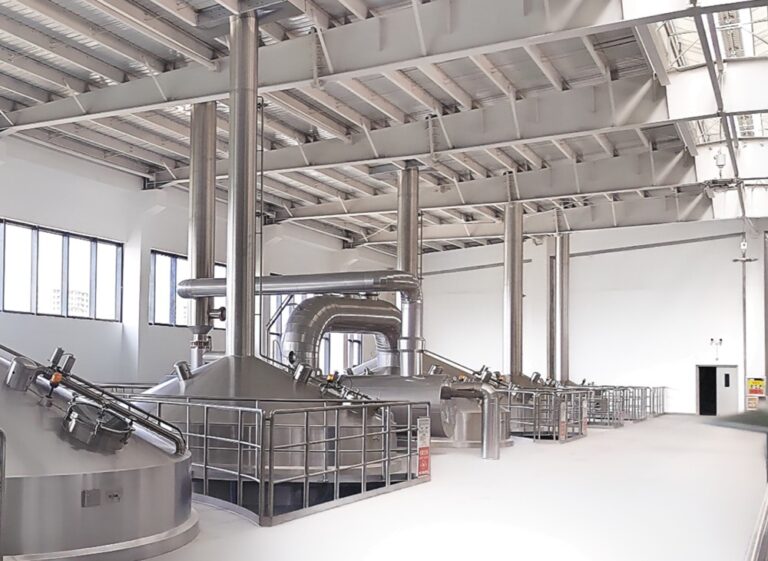
Yeast is the heart of brewing, responsible for converting sugars into alcohol, CO₂, and a range of flavor compounds that define the character of beer. While selecting a high-quality yeast strain is crucial, the effectiveness of fermentation depends just as much on how the yeast is propagated. A well-designed yeast propagation system ensures healthy, active cultures, consistent fermentation, and optimal product quality. Here are the key design considerations for building an effective yeast propagation system.
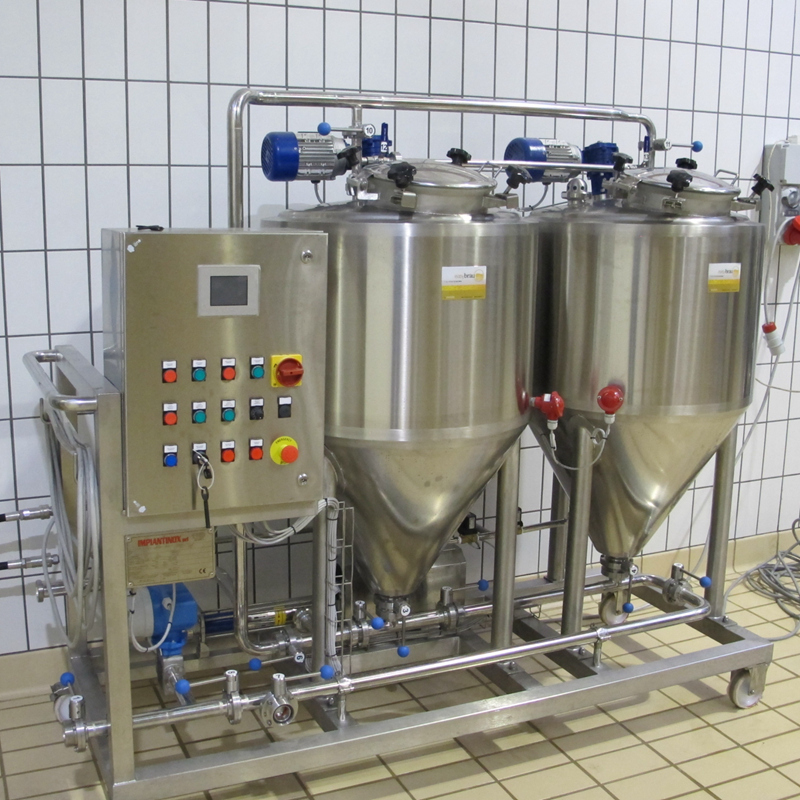
- Scalability and Capacity
One of the primary factors in designing a yeast propagation system is ensuring it can scale to meet production demands. Propagation systems must provide enough biomass to inoculate multiple fermentation tanks without compromising yeast vitality. This requires careful calculation of inoculation rates, target cell densities, and growth times. Modular systems can offer flexibility, allowing breweries to expand production without significant equipment overhauls.
- Sterility and Contamination Control
Yeast propagation is highly sensitive to contamination. Even small amounts of bacteria or wild yeast can compromise an entire batch. To mitigate this risk, propagation systems should be fully closed or semi-closed, with proper sterilization procedures for vessels, pipes, and valves. Integration of CIP (Clean-in-Place) systems and in-line sterilization for media can significantly reduce contamination risks while improving operational efficiency.
- Oxygen and Nutrient Management
Yeast growth depends heavily on adequate oxygenation and nutrient supply. Propagation systems must be equipped with reliable aeration or oxygenation systems to maintain dissolved oxygen at optimal levels. Likewise, nutrient addition—including nitrogen, vitamins, and minerals—needs to be precisely controlled. Automated dosing and monitoring systems can help maintain consistent growth conditions, leading to robust and reproducible yeast cultures.
- Contrôle de la température
Temperature is a critical factor for yeast metabolism and health. Too high or too low a temperature can slow growth, cause stress, or favor contamination. Propagation vessels typically require integrated cooling and heating systems to maintain precise temperature profiles throughout the growth cycle. Proper insulation, recirculation, and monitoring sensors ensure that yeast experiences stable conditions for optimal performance.
- Mixing and Homogeneity
Uniform mixing is essential to ensure that nutrients, oxygen, and temperature are evenly distributed throughout the propagation vessel. Inadequate mixing can lead to localized nutrient depletion or oxygen gradients, resulting in uneven yeast growth or stressed cells. Careful selection of impellers, recirculation loops, and tank geometry can optimize mixing without damaging delicate yeast cells.
- Monitoring and Automation
Modern yeast propagation systems increasingly rely on automation and real-time monitoring. Parameters such as pH, dissolved oxygen, temperature, optical density, and biomass concentration can be continuously tracked. Automation enables timely adjustments, reduces human error, and ensures consistency across batches.
- Harvesting and Transfer Efficiency
Finally, a well-designed system should facilitate easy and hygienic harvesting of yeast for inoculation into fermentation tanks. Pumping, filtration, or centrifugation should be optimized to minimize cell damage while maintaining high viability. The system should also support smooth transfer workflows to integrate seamlessly with existing fermentation infrastructure.
In conclusion, designing an effective yeast propagation system requires a balance of microbiological knowledge, engineering precision, and operational efficiency. By focusing on sterility, oxygenation, temperature control, mixing, and automation, breweries can produce healthy, active yeast cultures that consistently deliver high-quality fermentation performance. Investing in a robust propagation system ultimately safeguards product quality, reduces fermentation risks, and supports long-term operational success.
Merci pour votre lecture.
Helen Lee