Le choix de la bonne malterie est une étape cruciale lors de la conception ou de l'amélioration de votre machine de fabrication de bière. Première étape du processus de brassage, votre concasseur de malt détermine l'efficacité de l'extraction des sucres, la fluidité de la clarification et, en fin de compte, la régularité de la qualité de votre bière.
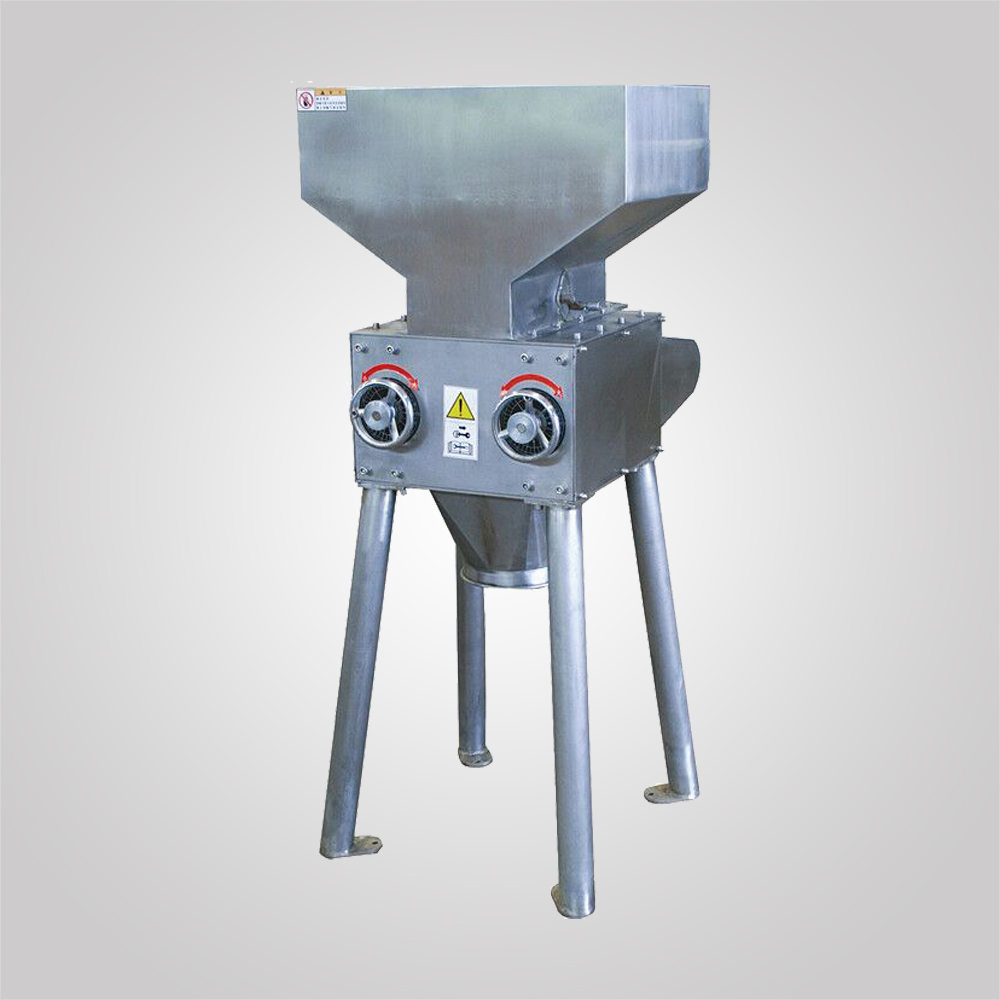
Dans les brasseries commerciales, deux principaux types de moulins sont utilisés : le moulin à double rouleau et le moulin à quatre rouleaux. Mais comment choisir celle qui convient le mieux à votre production ? La réponse dépend en grande partie des styles de bière que vous brassez et du niveau de contrôle et d'efficacité que vous attendez.
Meunier à double rouleau - Le choix de base et économique
Un moulin à deux cylindres est l'option la plus simple et la plus abordable. Il répond bien aux besoins de base en matière de concassage du malt, mais présente certaines limites :
Les grains plus petits peuvent passer sans se fissurer.
Moins de contrôle sur le niveau de broyage
Il est plus difficile de trouver un équilibre entre les grains fins et les enveloppes intactes.
Ce type de moulin convient aux petites brasseries ou aux styles de bière qui ne nécessitent pas une composition très précise de la mouture.
Meunier à quatre rouleaux - Plus de contrôle et de cohérence
Un broyeur à quatre cylindres offre un contrôle avancé des paramètres de broyage. Avec deux points de broyage indépendants, vous pouvez obtenir une distribution granulométrique plus homogène :
Premier rouleau réglé plus large pour briser le grain
Le deuxième rouleau est plus fin pour capturer et broyer les particules les plus petites.
Ce processus en deux étapes permet un contrôle plus étroit du profil de la mouture, ce qui est essentiel pour la qualité du produit :
Amélioration de l'étiquetage
Meilleure efficacité de l'extraction
Clarté du moût plus stable
Un meilleur rendement en extrait signifie que vous avez besoin de moins de malt pour atteindre votre objectif de teneur en alcool, ce qui se traduit par un plus grand nombre de litres de bière et une réduction du coût des ingrédients.
Trouver l'écart optimal entre les rouleaux
L'écart idéal entre les cylindres varie en fonction du type de malt, du taux d'humidité et de la recette de la bière. Le moyen le plus précis de déterminer le bon broyage n'est pas l'écartement du moulin lui-même, mais l'analyse de la taille des particules qui en résulte.
En pratique, pour obtenir la mouture parfaite, il faut de l'expérience, et souvent quelques tours lents pour affiner le réglage.
Outils pour tester l'écartement des rouleaux
Jauge d'épaisseur ou pied à coulisse de précision : Ces outils vous aident à établir un réglage initial de l'écartement.
Jeu de tamis : C'est le meilleur outil du brasseur pour obtenir la granulométrie exacte dont il a besoin.
Comment tester la grosseur du grain
Une bonne analyse de la mouture implique l'utilisation d'un tamis à mouture - un empilement de plateaux avec différentes tailles de tamis conçus pour séparer les gros grains, les petits grains et la farine fine.
Les tailles de tamis les plus courantes sont les suivantes
1,4 mm
0,6 mm
0,25 mm
Vous aurez également besoin de :
Un bac de collecte pour récupérer les amendes
Un capuchon pour couvrir la pile de tamis
L'objectif est de trouver un équilibre pratique entre l'efficacité de l'empâtage et la capacité de clarification. Un broyage trop fin peut entraîner un blocage du lautage, tandis qu'un broyage trop grossier réduira l'extraction du sucre.
Que vous optiez pour un moulin à double rouleau ou un moulin à quatre rouleaux, le choix du bon concasseur de malt joue un rôle essentiel dans l'efficacité de votre brassage et la qualité finale de votre bière. En analysant la grosseur du grain et en réglant l'écart entre les rouleaux à l'aide des outils appropriés, vous assurez des opérations plus fluides et des performances améliorées pour votre machine de fabrication de bière.
[email protected]
Emily Gong