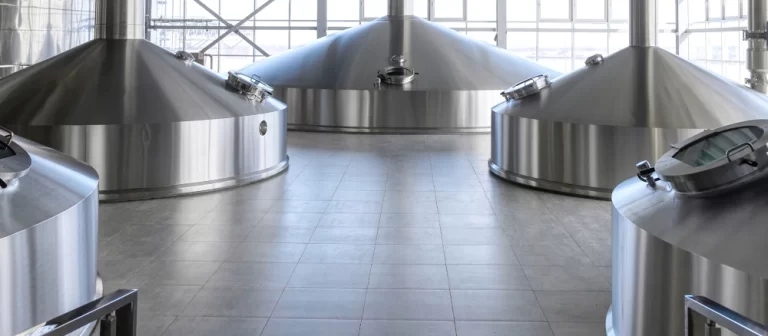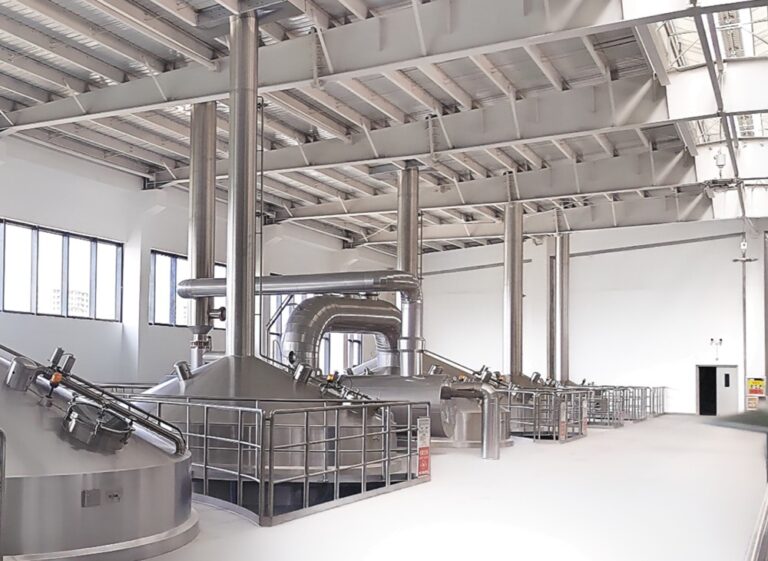
Heating plays a critical role throughout the beer brewing process. From mashing and lautering to wort boiling, the choice of heating method directly affects energy efficiency, process control, beer quality, and operating costs. So which heating method is suitable for your beer brewing system? And what’s the advantages? Tiantai Brewtech would like to provide a complete guide to technologies and their advantages.
Heating Methods in Beer Brewing!
Modern breweries use several different heating technologies, each with its own advantages and ideal application scenarios. In this article, we explore the main heating methods used in beer brewing and compare their strengths.
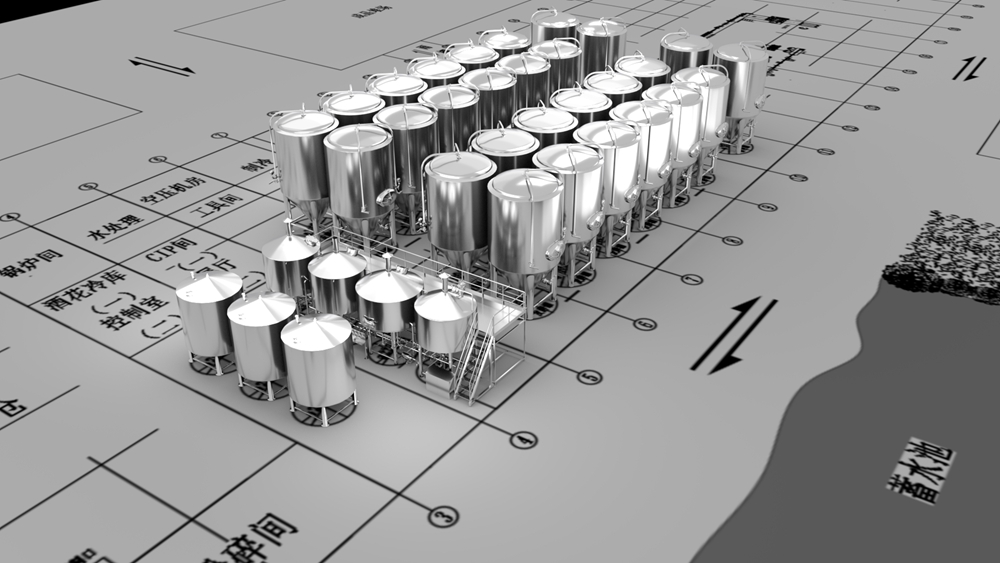
1.Steam Heating
Steam heating is the most widely used method in commercial breweries, from craft-scale to large industrial operations.
1.1 How It Works?
Steam generated by a boiler is transferred through jackets, internal calandrias, or external heat exchangers to heat the mash or wort indirectly.
1.2 Advantages:
- Uniform and gentle heat transfer, reducing the risk of scorching;
- Precise temperature control by adjusting steam pressure;
- Fast heating speed, improving brewhouse efficiency;
- Clean and indirect heating, with no direct contact between heat source and wort;
- Adjustable boiling intensity and evaporation rate;
- Highly scalable, suitable for breweries of all sizes.
⇒Steam heating is especially effective for wort boiling, where stable and controllable evaporation is essential for flavor development and DMS removal.
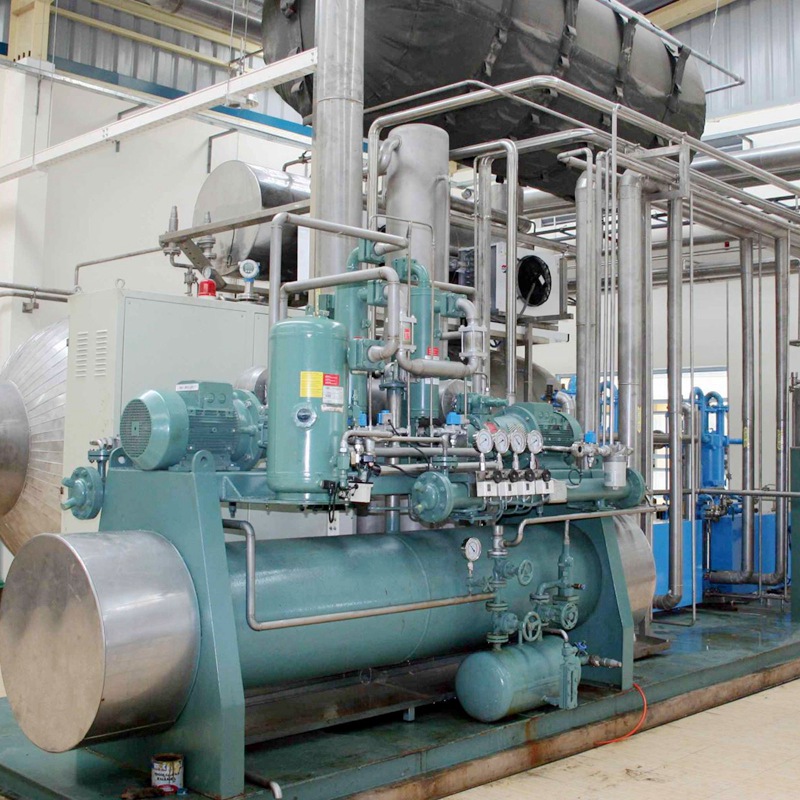
2.Electric Hdeating
Electric heating is commonly used in pilot systems, brewpubs, and small craft breweries.
2.1 How It Works?
Electric heating elements are installed inside the vessel or mounted externally, converting electrical energy directly into heat.
2.2 Advantages:
- Simple system design, no boiler required;
- Easy installation and operation;
- High temperature accuracy;
- Low initial investment for small-scale breweries;
- Quiet operation and clean energy source.
⇒However, electric heating becomes less economical at larger scales due to high power demand and electricity costs.
3.Direct Fire (Gas-Fired) Heating
Direct fire heating is a traditional method still used in some breweries, especially for specialty beers.
3.1 How It Works?
Natural gas or LPG burners heat the vessel directly from below, with flames in direct contact with the kettle bottom.
3.2 Advantages:
- Strong and rapid heating power;
- Lower equipment cost compared to steam systems;
- No need for a steam boiler;
- Can contribute to caramelization and unique flavor profiles.
⇒The main challenge is uneven heat distribution, which increases the risk of scorching and requires constant agitation and experienced operation.
4.Hot Water (Thermal Oil / Hot Water Systems)
Some breweries use centralized hot water or thermal oil systems as an alternative to steam.
4.1 How It Works?
Hot water or thermal oil is heated in a central unit and circulated through jackets or heat exchangers.
4.2 Advantages:
- Stable and gentle heat transfer;
- Lower operating pressure than steam systems;
- Improved safety in some installations;
- Good for mash heating and step mashing.
⇒This method is less common for wort boiling due to limited maximum temperature and slower response time.
5.External Heat Exchanger Circulation Heating
This method is often used in combination with steam or hot water systems.
5.1 How It Works?
Wort is pumped through an external heat exchanger and returned to the kettle, creating a circulation loop.
5.2 Advantages:
- Very even temperature distribution;
- Reduced risk of scorching;
- High heating efficiency;
- Easy integration with energy recovery systems.
⇒It is particularly effective in modern brewhouse designs focused on energy optimization.
Choosing the Right Heating Method!
There is no single “best” heating method for all breweries. The optimal solution depends on several factors:
- Brewery size and production capacity
- Energy availability (electricity, gas, steam)
- Budget and long-term operating costs
- Beer styles and quality requirements
- Local safety and environmental regulations
In many cases, steam heating combined with modern brewhouse design offers the best balance of efficiency, control, and scalability for commercial beer production.
Heating technology is a foundational element of brewery design. Understanding the strengths and limitations of each heating method allows brewers to make informed decisions that support consistent beer quality, efficient production, and sustainable operation.
As brewing technology continues to evolve, modern heating systems are becoming more efficient, precise, and environmentally friendly—helping breweries produce better beer with lower energy consumption. Whatever which heating method you need to brew the beer, TIANTAI brewtech as a professional beer brewing system manufacturer in China can provide you a specific customized beer brewing equipment. If you need, please feel free to ask us. Welcome your discuss more with us!
Edited By Daisy Cai