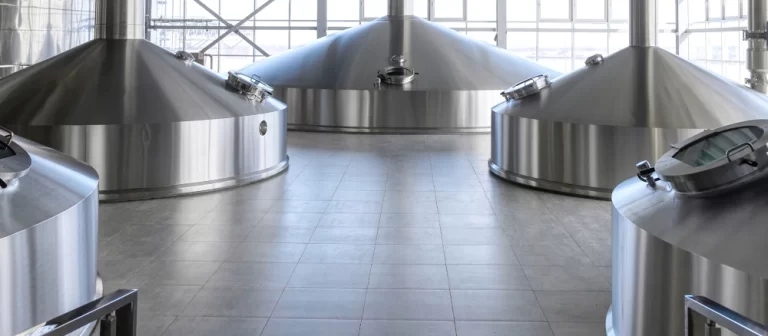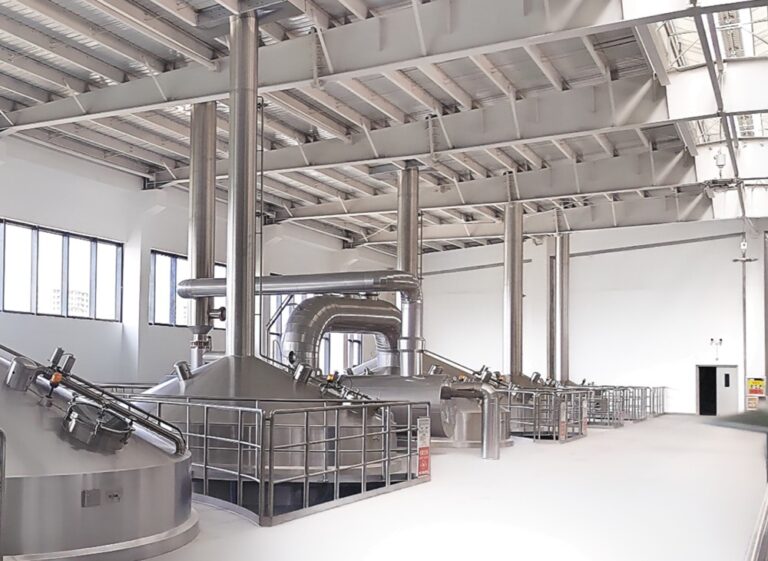
Do you dry hop your craft beer? At Tiantai, our beer fermentation tanks are designed with a dedicated dry-hopping port on the top of the fermenter. Some breweries request additional solutions, such as installing a hop doser or using a small manhole specifically for dry hopping. Each option has its advantages, depending on brewery size, hop load, and brewing philosophy.
So how do you dry hop your beer? And more importantly—what exactly is dry hopping?
What Is Dry Hopping?
Dry hopping is a brewing technique in which hops are added to beer after primary fermentation is complete, rather than during the boil. Instead of contributing bitterness, dry hopping focuses almost entirely on aroma and flavor.
The process is similar to making tea: hops are steeped in beer at relatively low temperatures, allowing aromatic hop oils to dissolve slowly without extracting harsh bitterness. The result is an intense hop aroma—floral, citrusy, piney, tropical, or herbal—depending on the hop variety used.
Dry hopping is especially popular in styles such as IPAs, Pale Ales, NEIPAs, and modern lagers, where fresh hop aroma is a defining characteristic.
4 Common Ways to Dry Hop Your Beer
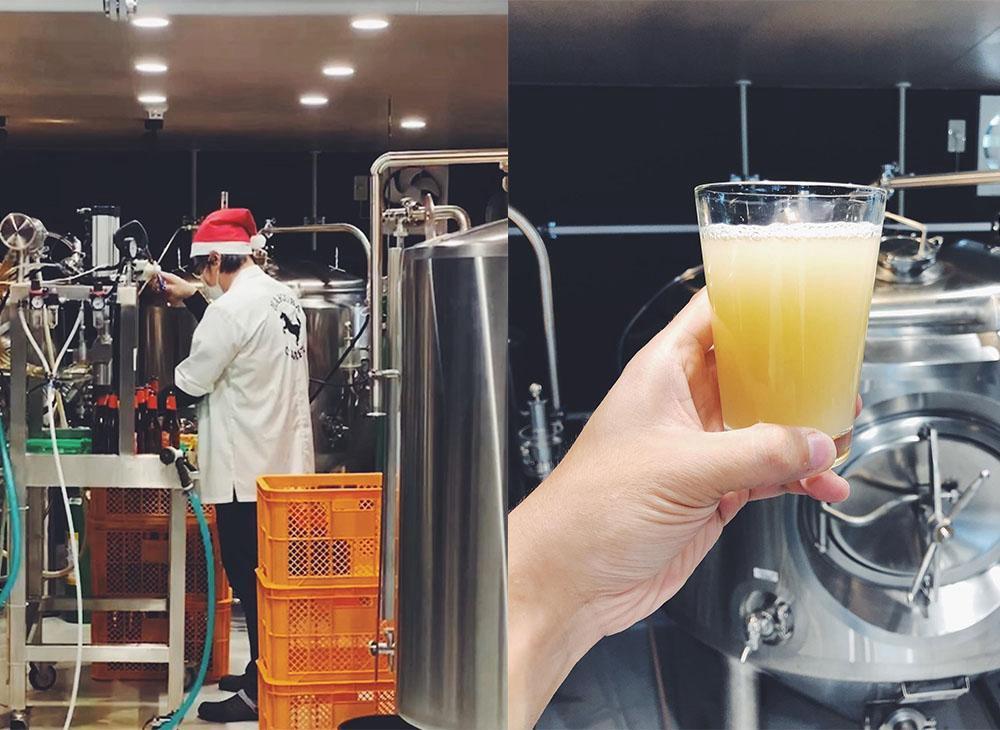
There are many ways to dry hop beer, ranging from simple homebrew techniques to advanced commercial systems. Some methods are practical for daily production, while others are more experimental or best suited for sampling and events.
Below are four commonly used dry-hopping methods.
1. The French Press Method
This technique is not ideal for production brewing, but it is a quick and effective way to evaluate hop aroma before committing to a full batch.
If you have brewed a pale ale and are considering different hop varieties for dry hopping, try this:
- Add a small amount of finished beer to a French press.
- Add a measured amount of pellet hops.
- Allow the hops to steep for a few minutes.
- Press the plunger and pour.
The beer will be slightly flatter, as the pressing releases dissolved CO₂, but this method gives a surprisingly accurate preview of how a specific hop variety might express itself in your recipe.
Best use: Recipe development and hop selection
Not recommended for: Production dry hopping
2. Keg Hopping
Keg hopping is a popular and effective variation of dry hopping, especially for small breweries and home brewers.
In this method, hops are placed in a hop bag or stainless steel tea strainer and added directly to the keg. As the beer is dispensed, some of it flows past or through the hops, resulting in extremely fresh hop aroma in the glass.
However, there is a downside. Extended contact time can lead to grassy or vegetal flavors, so keg-hopped beer is best consumed within 2–3 weeks.
Best use: Parties, festivals, limited releases
Key advantage: Maximum freshness
Limitation: Short shelf life
3. The Randall (Hop Infusion Device)
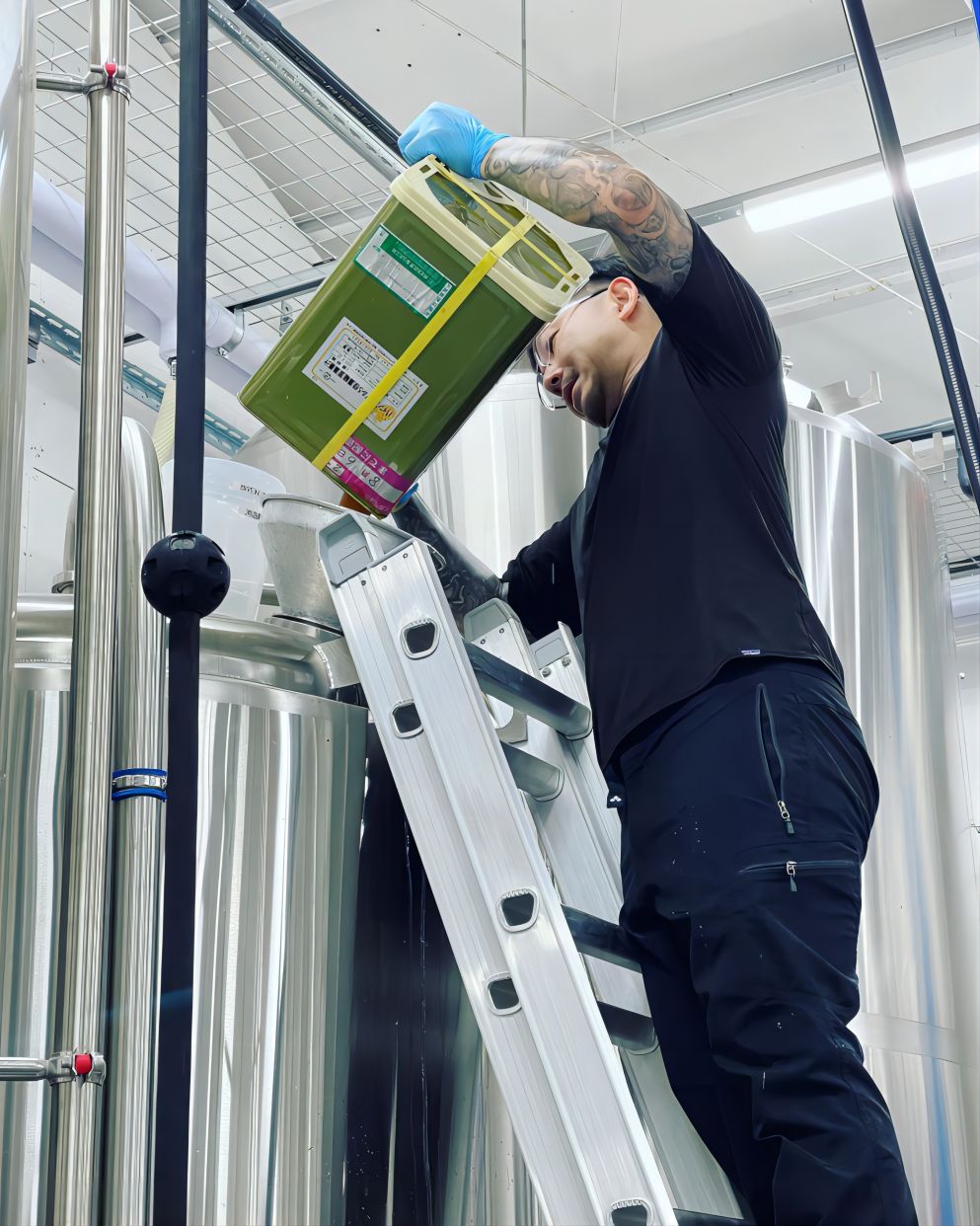
The Randall is an inline hop infuser that connects directly to the draft system. Beer flows through a sealed chamber filled with whole cone or fresh hops immediately before reaching the glass.
Because the beer contacts the hops only seconds before serving, this method preserves the most delicate aromatic compounds and delivers an intense, fresh hop character.
While highly effective, the Randall requires:
- A kegerator or draft system
- Additional equipment and maintenance
- Careful sanitation
Some brewers even build DIY Randalls for special events or taproom experimentation.
Best use: Taprooms, special pours, experimental batches
Key advantage: Ultimate aroma expression
Limitation: Requires specialized equipment
4. Dry Hopping During Primary Fermentation
Dry hopping during primary fermentation is often debated among brewers. The traditional concern is that rising CO₂ bubbles may strip away hop aromas, reducing effectiveness.
However, recent experimentation suggests the reality is more complex. Hop aroma compounds are primarily found in hop oils, which are not volatile enough to be easily carried away by CO₂. Their loss during boiling occurs because of heat—not gas movement.
Dry hopping during primary fermentation may:
- Change the aroma profile
- Create biotransformation effects
- Produce different fruity or juicy characteristics
While this method is still being explored at both homebrew and commercial levels, anecdotal evidence suggests it alters aroma character rather than reducing intensity.
Best use: Experimental brewing, hazy styles
Key advantage: Unique aroma development
Limitation: Less predictable results
There is no single “correct” way to dry hop beer. Each method produces different results, and the best approach depends on: Beer style, Hop variety, Brewery equipment, Desired aroma intensity, Shelf-life expectations.
A great experiment is to brew one batch and split it into two fermenters—dry hop one during primary fermentation and the other in secondary. Package both, share them with friends, and compare the results side by side.
After all, the best way to understand dry hopping is to taste the beer. Cheers, and happy brewing!
Edited By Daisy
[email protected]