Kombucha has surged in popularity as a refreshing, probiotic-rich beverage. Whether you are a hobby brewer or planning to scale up for commercial production, selecting the right brewing method is crucial for quality, consistency, and efficiency. But with multiple approaches available—from small home setups to large industrial systems—how do you know which is best for you?

1.Home Brewing: Small Batch Methods
For beginners or hobbyists, small-batch brewing is the most accessible option.
Jar or Glass Vessel Method:
The classic method involves fermenting sweet tea in a glass jar with a SCOBY (symbiotic culture of bacteria and yeast). It’s low-cost, easy to monitor, and perfect for experimenting with flavors.
Pros: Affordable, flexible, easy to customize flavors
Cons: Limited batch size, higher risk of contamination if hygiene isn’t strict
This method is ideal for those who want hands-on experience and batch sizes that serve a household or local community.
2.Intermediate Brewing: Small Commercial or Microbrewery Systems
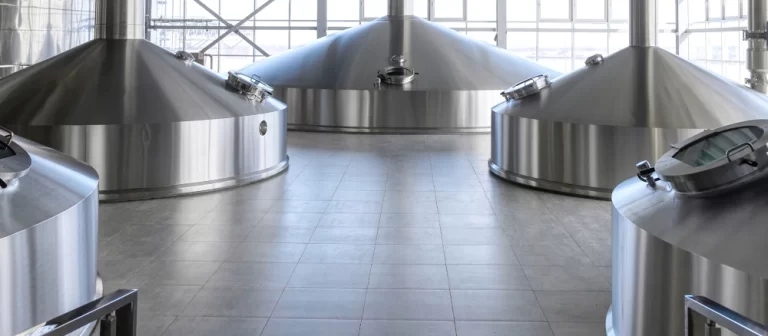
For small-scale businesses, stainless steel tanks or fermenters provide better control over the brewing process.
Features: Temperature control, sealed systems, sampling ports
Pros: Improved consistency, easier to maintain hygiene, scalable production
Cons: Higher upfront cost, requires some knowledge of brewing equipment
These systems are perfect for artisanal brewers who want to expand production beyond the home kitchen while maintaining quality and control.
3.Large-Scale Commercial Brewing
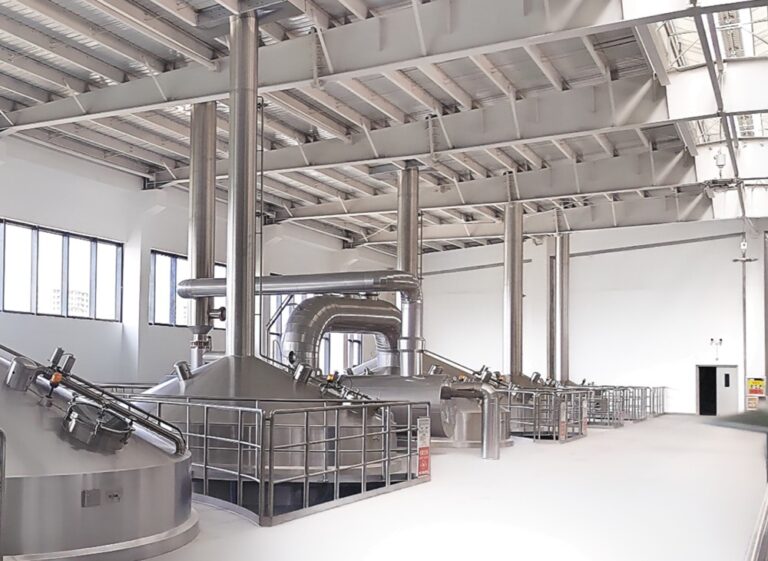
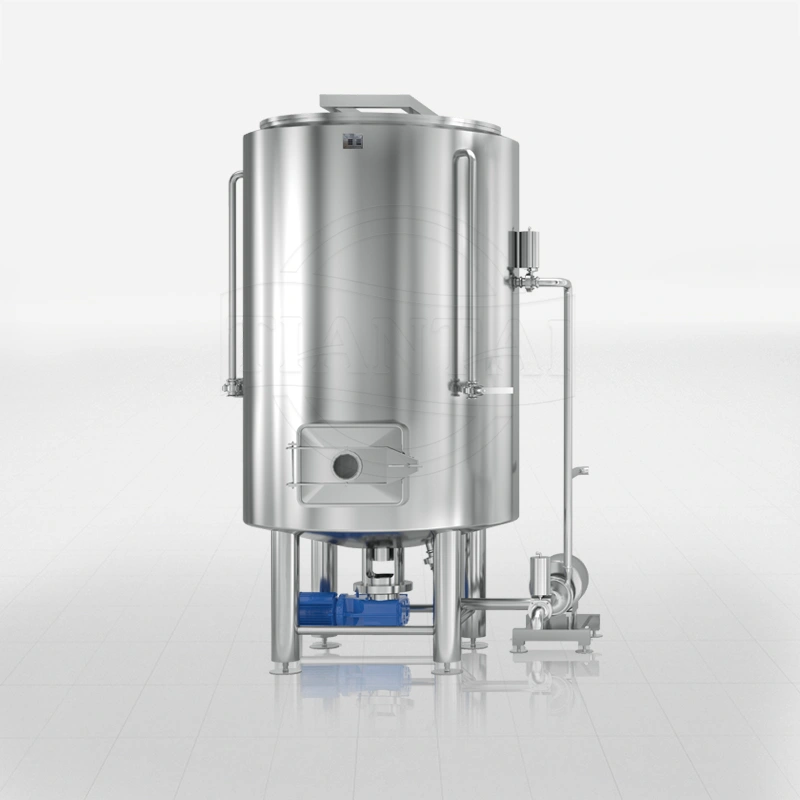
For large-scale production, kombucha is typically brewed in industrial fermenters with automated features.
Features: Temperature regulation, pressure control, automated filling lines, oxygen management
Pros: Consistent large batches, reduced labor, suitable for distribution
Cons: High investment, requires technical know-how and facility space
Large-scale systems are suitable for brands entering retail or wholesale markets and aiming for consistent product quality at high volumes.
4.Key Factors to Consider
When choosing your brewing method, consider:
Batch size – Home or commercial scale
Control over fermentation – Temperature, oxygen exposure, and carbonation
Budget – Upfront cost vs. production goals
Quality consistency – Manual vs. automated control
The right kombucha brewing method depends on your goals, experience, and scale. Beginners benefit from simple glass jars, small commercial brewers gain from controlled fermenters, and large-scale operations rely on industrial systems for efficiency and consistency. Choosing wisely ensures your kombucha tastes great, stays safe, and aligns with your brewing ambitions.
Thank you very much for your reading.
Helen