Scaling kombucha production from a small 100L setup to a commercial 5,000L operation is an exciting milestone—and a complex one. Unlike beer or other fermented beverages, kombucha’s live culture, acidity, and sugar dynamics require careful attention to maintain product consistency and safety at larger volumes. Whether you’re expanding into wholesale distribution or preparing for a dedicated production facility, here’s a practical guide to help you scale successfully.
1.Start with a Solid Base: Standardize Your Recipe
Before scaling, ensure your 100L batches are consistent. This means stable:
pH levels
Sugar concentration
Tea strength
Fermentation duration
Consistency at 100L forms the foundation for predictable results when you expand to 1,000L or 5,000L. Record everything—temperatures, yeast/bacteria ratios in your SCOBY, oxygen exposure, and nutrient levels.
2.Choose the Right Fermentation Vessel
Moving from small batches to large-scale fermentation requires more robust equipment.
For commercial-scale kombucha (1,000–5,000L), choose:
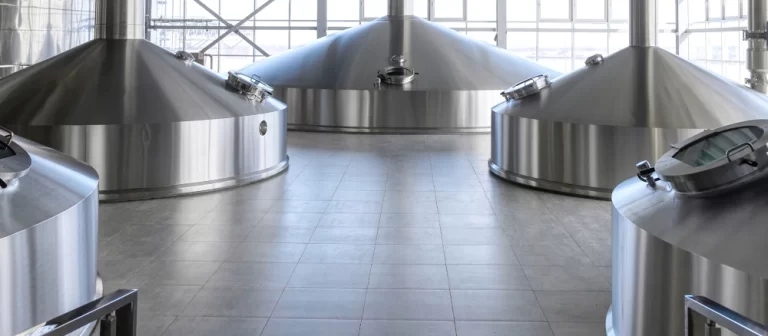
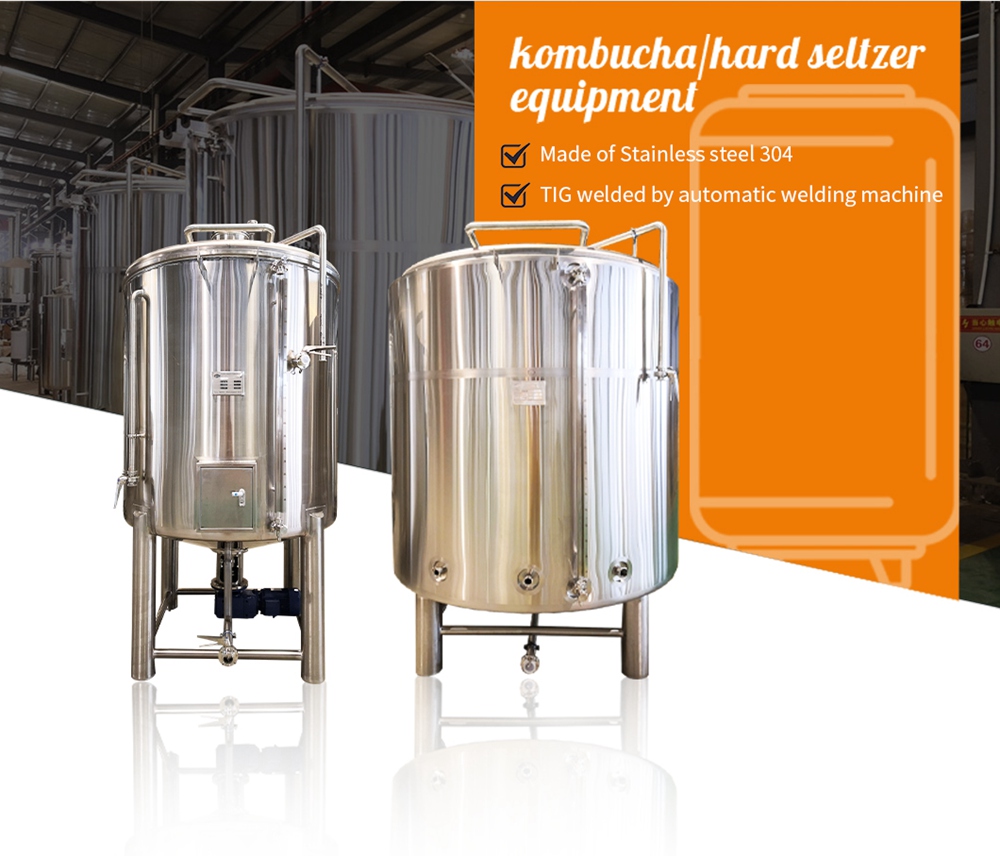
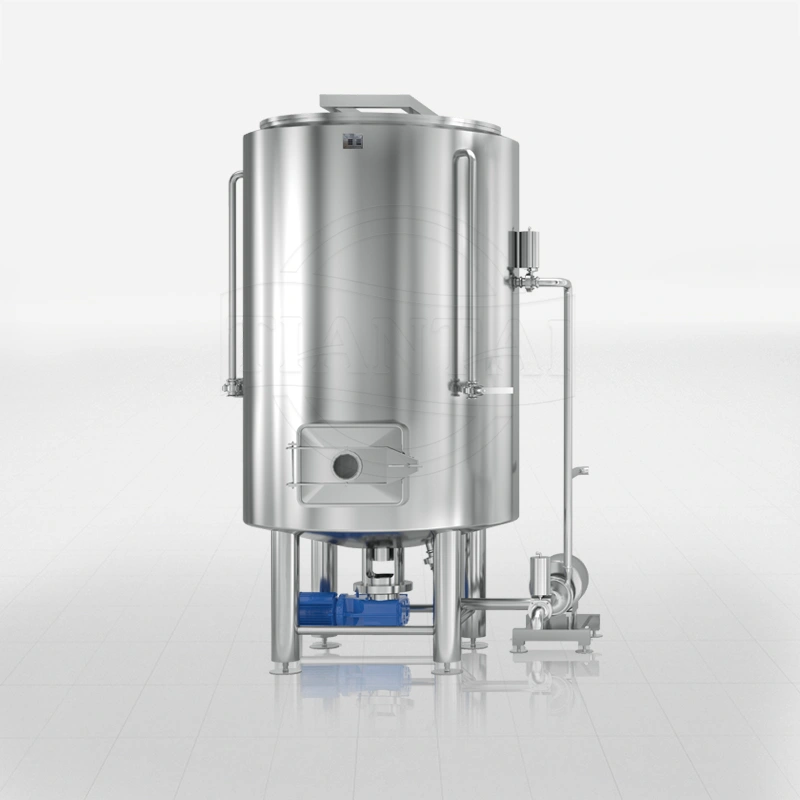
Stainless steel fermenters (food-grade 304 or 316)
Cylindrical or horizontal tanks depending on your floor plan
Tanks with cooling jackets for temperature control
CIP-compatible designs for sanitation
Avoid plastic vessels at scale due to hygiene, durability, and off-flavor risks.
3.Scale Your SCOBY and Starter Tea Properly
The heart of kombucha is its culture. When scaling:
Maintain the same inoculation ratio (typically 10–20% starter tea per batch).
Grow SCOBY in intermediate steps—jumping straight from 100L to 5,000L risks culture imbalance.
Scale progressively: 100L → 500L → 1,000L → 2,500L → 5,000L.
Large tanks ferment differently due to geometry and oxygen levels, so incremental scaling helps stabilize your microbial community.
4.Control Fermentation Temperature
Kombucha ferments cleanest between 24–28°C.
Larger vessels generate more heat during active fermentation. Use tanks with:
Cooling jackets
Temperature probes
Automated controllers
Stable temperature prevents off-flavors, over-acidification, and stalled fermentation.
5.Refine Oxygen Exposure and Agitation
In small 100L batches, natural oxygen diffusion is usually enough. But at 5,000L, SCOBY formation and flavor development can change.
Strategies include:
Controlled aeration at the surface
Occasional gentle mixing
Wider tanks to improve oxygen exposure
Avoid aggressive agitation—it disturbs the culture structure and may cause yeast overgrowth.
6.Scale Up Quality Control Testing
As volume increases, so does the importance of QA/QC.
Implement routine testing for:
pH (target 2.8–3.5 before bottling)
Sugar content (Brix)
Alcohol levels (below legal thresholds)
Microbial health
Contamination risks
A simple in-house lab setup becomes essential once you surpass 1,000L.
7.Upgrade Your Post-Fermentation Workflow
Larger production requires changes downstream:
Filtration or clarification (as desired)
Flavoring tanks
Carbonation equipment
Chillers for cold stabilization
Bottling or canning line capable of handling increased throughput
Ensure your equipment can keep up with 5,000L batch sizes without bottlenecks.
8.Plan Your Facility Layout and Workflow
Efficient movement matters at scale. Consider:
Raw ingredient storage
Tank placement
CIP systems
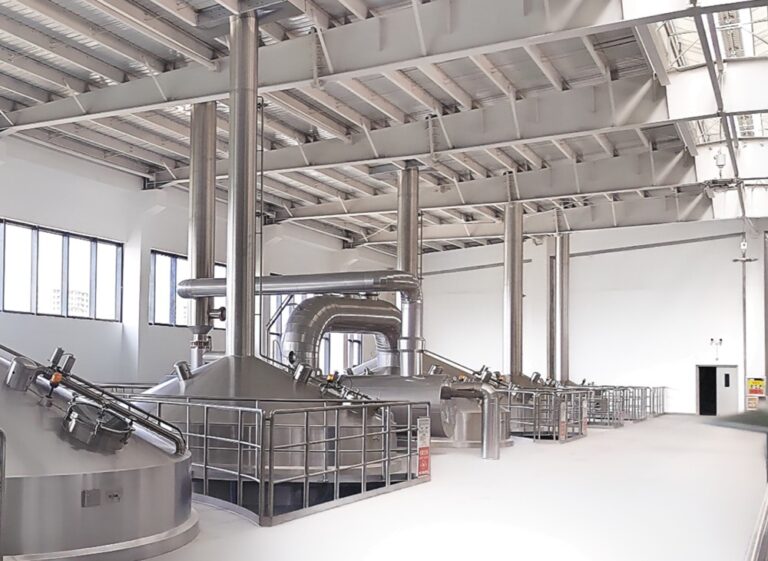
Packaging area
Cold storage
Good layout prevents delays and contamination risks.
Final Thoughts
Scaling kombucha production from 100L to 5,000L requires planning, microbiological control, and the right equipment. By standardizing your process, growing your SCOBY gradually, improving temperature and oxygen management, and investing in proper QA and packaging systems, you can expand sustainably while maintaining flavor consistency and product safety.
Tiantai Company can provide you complete kombucha equipment from 100L to 5000L. Feel free to contact us to get the proposal.
Thank you very much for your reading.
Helen