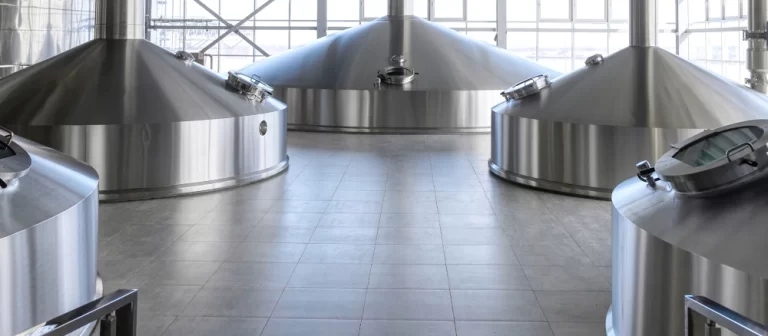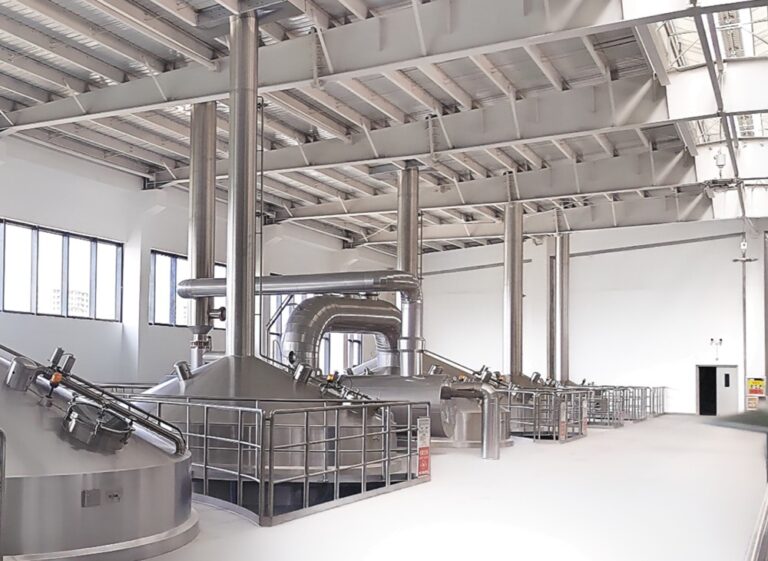
When it comes to brewing high-quality beer, the right equipment is essential. Whether you’re starting a new craft brewery, expanding an existing one, or setting up a homebrew operation, purchasing the right beer equipment can significantly impact your production efficiency, product consistency, and overall success. With the variety of equipment available on the market, choosing the right setup can be challenging.
.JPG)
.jpg)
In this advertorial, we will delve into the essential factors to consider when purchasing beer equipment. From understanding your production needs to evaluating quality and safety features, we’ll cover the key aspects that should guide your decision-making process. Here’s what you need to know to make informed and beneficial choices for your brewing operation.
1. Understand Your Production Needs and Scale
What to Consider:
The cornerstone of selecting the right brewing equipment is a clear understanding of your production needs. This starts with an honest assessment of your output goals—both for today and for the future. Are you targeting small-batch local distribution, or do you have plans to scale up? Your target volume dictates the size of your fermenters, kettles, and storage tanks.
While a smaller operation doesn’t need commercial-grade hardware, it’s equally important to factor in scalability. Investing in equipment that allows for future growth can be a cost-saving measure in the long run. The key is to find the sweet spot between your immediate requirements and your vision for the future.
Key Advice:
Choose equipment with capacities that meet your current production goals but allow room for growth.
Start small if you’re uncertain about future demand and upgrade gradually as your brewery gains traction.
Consider modular equipment that can be expanded or upgraded with add-ons.
Product Recommendation:
Scalable brewing systems with modular designs allow for easy expansion, making them ideal for breweries planning for future growth. Look for equipment that offers flexibility with interchangeable components, such as additional fermenters or larger kettles.
2. Quality and Material Considerations
What to Consider:
The selection of materials and fabrication quality are critical determinants of both process efficiency and product integrity. While stainless steel is ubiquitous, its specific grade is a key differentiator. Equipment fabricated from 304 or 316 stainless steel is preferable, offering enhanced resistance to the corrosive byproducts of mashing and fermentation, thereby safeguarding against off-flavors and equipment degradation.
Furthermore, the quality of welds and fittings is as crucial as the material itself. Inferior welding can introduce physical and microbial contamination risks by creating non-sanitary surfaces. The use of sanitary welds and food-grade gaskets is non-negotiable; these features ensure cleanability, prevent the harborage of spoilage organisms, and mitigate the risk of equipment failure due to leaks or seal degradation.
Key Advice:
Choose equipment made from high-quality stainless steel (304 or 316) for durability and ease of maintenance.
Inspect the quality of welds and fittings, and opt for tanks and vessels with sanitary welds.
Ensure that all seals, gaskets, and fittings are food-grade to prevent contamination.
Product Recommendation:
Stainless steel brewing tanks with polished interiors and sanitary welds offer easy cleaning and are resistant to corrosion. Premium fittings and gaskets further reduce the risk of leaks and contamination.
.jpg)
.jpg)
.jpg)
3. Temperature Control Capabilities
What to Consider:
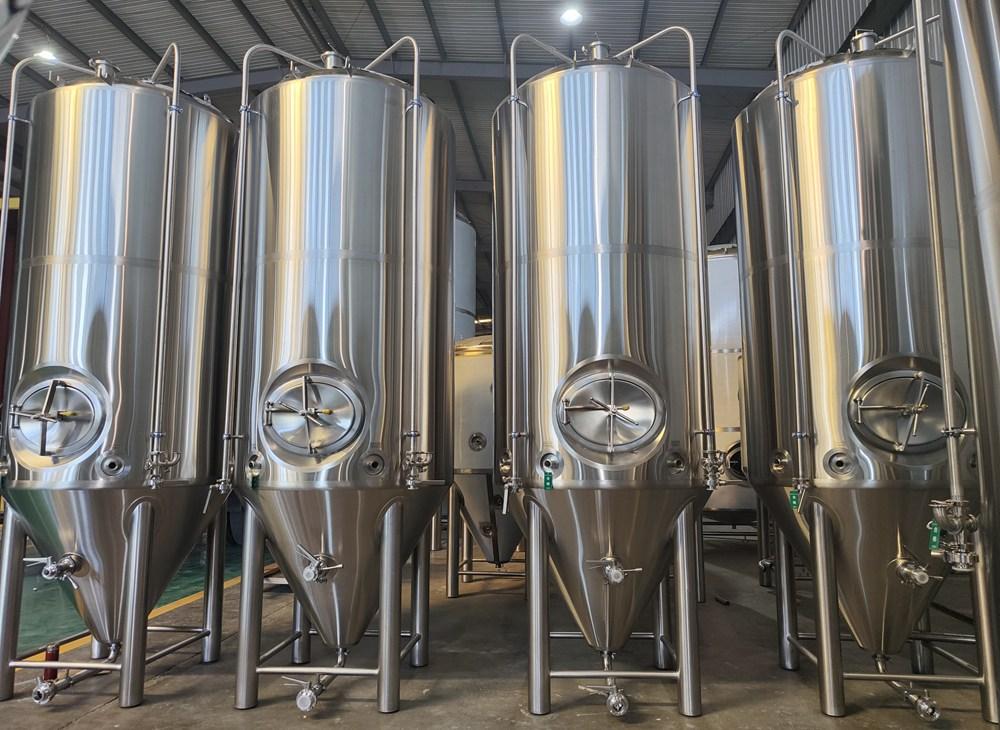
Temperature control is a critical factor in brewing, as different beer styles require different fermentation temperatures to achieve the desired flavor profile. For this reason, it’s essential to invest in equipment that offers precise temperature control, especially for fermentation tanks. Look for features such as glycol jackets, temperature sensors, and digital temperature controllers that allow you to monitor and adjust the temperature as needed.
For small breweries or homebrewers, a simple temperature controller may suffice. However, larger breweries may require sophisticated temperature regulation systems with multiple cooling zones or heating capabilities.
Key Advice:
Choose fermenters with integrated temperature control systems, such as glycol jackets or digital temperature sensors.
Ensure that the equipment can accommodate the temperature range required for your brewing styles.
Automated temperature monitoring systems can offer real-time adjustments and ensure consistency.
Product Recommendation:
Glycol-cooled fermentation tanks with advanced temperature control systems help maintain precise fermentation conditions, improving the quality and consistency of the final product.
4. Cleaning and Maintenance Requirements
What to Consider:
Regular cleaning and maintenance are crucial in brewing to prevent contamination and maintain product quality. The design of the equipment should facilitate easy and thorough cleaning. Look for features such as Clean-In-Place (CIP) systems, which allow for automated cleaning of tanks and pipes without disassembly. Equipment with smooth, polished surfaces and minimal dead zones will also be easier to clean.
The cleaning agents and methods required should also be considered when purchasing equipment. Some materials may react to harsh chemicals, affecting the equipment’s longevity. Investing in high-quality, easy-to-clean equipment can significantly reduce downtime and labor costs associated with cleaning.
Key Advice:
Opt for equipment with integrated CIP systems to simplify cleaning.
Choose tanks and vessels with polished interiors to reduce residue buildup.
Make sure that the cleaning procedures for your equipment are manageable with your available resources.
Product Recommendation:
Brewing systems equipped with CIP systems and polished stainless steel surfaces provide a cleaner and more sanitary brewing environment, reducing the risk of contamination and minimizing maintenance efforts.
5. Automation and Control Systems
What to Consider:
Automation can significantly enhance the efficiency and consistency of the brewing process. Automated brewing systems can control various aspects of the process, such as temperature, pressure, mixing, and timing. While fully automated systems may come with a higher initial cost, they can reduce labor expenses and minimize the risk of human error.
However, automation is not always necessary for smaller operations or for brewers who prefer a hands-on approach. In such cases, semi-automated systems that automate certain processes while allowing manual adjustments may be more suitable. The level of automation you choose should align with your production scale and desired control over the brewing process.
Key Advice:
Invest in automation features if you are scaling up your production to improve efficiency and reduce labor costs.
For small breweries, consider semi-automated systems that provide some automation while still allowing for manual control.
Evaluate the user-friendliness of control systems to ensure they meet your operational needs.
Product Recommendation:
Automated brewing systems with user-friendly interfaces allow for precise control over various stages of brewing, making them ideal for larger-scale operations aiming to improve efficiency.
6. Compliance with Safety Standards and Certifications
What to Consider:
Safety should be a top priority when purchasing brewing equipment. Brewing involves handling hot liquids, high pressure, and potentially hazardous chemicals, so it is essential that the equipment meets industry safety standards. Ensure that the equipment is certified by recognized safety organizations, such as the American Society of Mechanical Engineers (ASME), and complies with food-grade standards set by regulatory authorities.
Pressure-rated tanks, safety valves, and emergency shutoff features should be included to prevent accidents. Electrical components should also meet safety standards to avoid risks such as electric shocks or fires. Always verify that your equipment supplier provides documentation confirming compliance with safety regulations.
Key Advice:
Choose equipment that complies with industry safety standards and certifications, such as ASME.
Verify that the supplier provides proper documentation for safety compliance.
Ensure the equipment includes safety features such as pressure relief valves, emergency shutoffs, and electrical safety certifications.
Product Recommendation:
Pressure-rated brewing tanks with certified safety valves and safety-compliant electrical systems help ensure safe operation in the brewing environment, reducing risks associated with high-pressure and hot liquid handling.
7. Supplier Reputation and After-Sales Support
What to Consider:
When purchasing beer equipment, the supplier’s reputation and the level of after-sales support they provide are crucial factors to consider. Working with a reputable supplier ensures that you are purchasing high-quality equipment and that you will receive support if any issues arise. Investigate the supplier’s track record, read customer reviews, and ask for references to assess their reputation.
After-sales support is also important for installation, maintenance, and troubleshooting. A reliable supplier should offer services such as equipment installation, training for your staff, and ongoing technical support. Warranty coverage is another aspect to look into, as it indicates the supplier’s confidence in their product.
Key Advice:
Choose a supplier with a strong reputation in the industry and positive customer reviews.
Ensure the supplier offers comprehensive after-sales support, including technical assistance and warranty coverage.
Look for suppliers that offer additional services, such as installation, maintenance, and training.
Product Recommendation:
Work with reputable suppliers known for high-quality beer equipment and excellent after-sales support to ensure a smooth purchase and operational experience.
8. Budget Considerations
What to Consider:
Budget is a major factor in purchasing beer equipment, but it should not compromise the quality and functionality you need. While it’s tempting to choose the cheapest option, low-cost equipment may not be durable or may lack essential features. It is better to invest in high-quality equipment that will last longer and perform better, saving you money on repairs and replacements in the long term.
If budget constraints are an issue, consider financing options, leasing, or purchasing refurbished equipment from reputable suppliers. You may also prioritize purchasing essential equipment first and upgrading later as your business grows.
Key Advice:
Avoid compromising on quality to save costs; invest in durable, high-quality equipment.
Explore financing or leasing options if upfront costs are prohibitive.
Consider buying used or refurbished equipment from reputable sources to reduce costs.
Product Recommendation:
High-quality equipment with financing or leasing options provides flexibility in budgeting while ensuring you get reliable equipment that meets your brewing needs.
Conclusion
Purchasing beer equipment is a significant investment, and making the right choices is essential for the success of your brewing operation. By paying attention to factors such as production needs, material quality, temperature
.jpg)
Learn more how Tiantai beer equipment company to not only produce the best quality brewery equipment for flavor-rich beers, but also help them to optimize the configuration, maximize process uptime and reduce beer loss when they brewing, PLEASE DON’T HESITATE TO CONTACT WITH US!
Hubert
Email: [email protected]