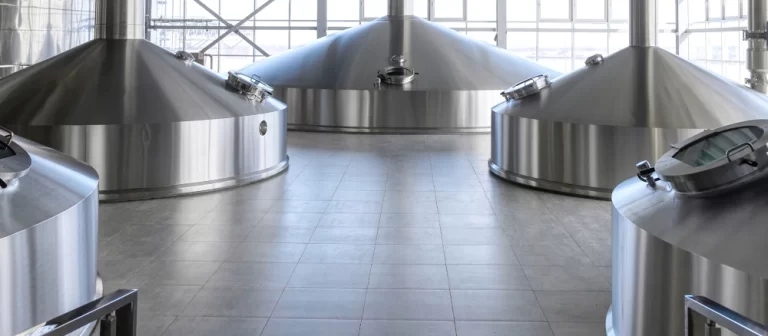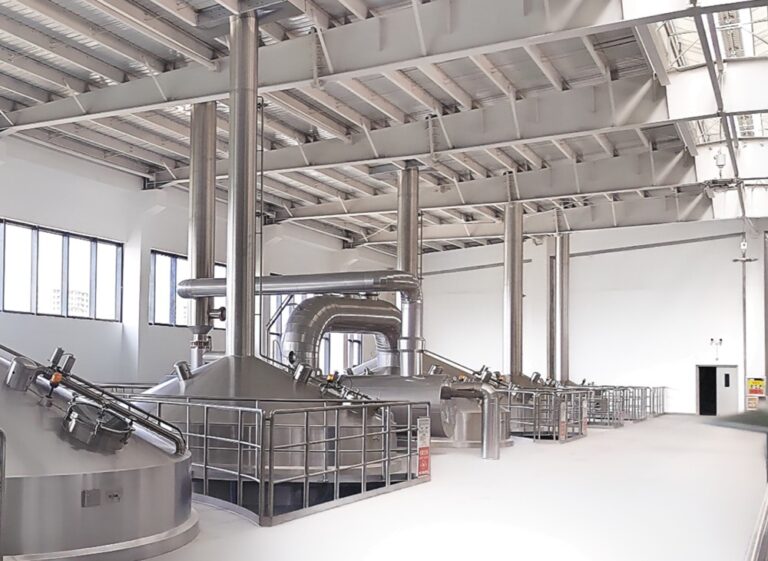
Designing an efficient and profitable brewery starts long before the installation of any tank or pipe. A well-planned brewery layout ensures smooth operations, maximizes your available space, reduces costs, and supports your long-term expansion. When planning your beer brewery equipment, there are several key questions that guide us in recommending the ideal setup for your brewery factory.
Key Questions to Start Your Brewery Project:
Before designing your layout, we always begin with three essential considerations:
The size of your location – How much usable space do we have?
Your monthly and annual production goals – What output do you plan to achieve?
Your budget – What is the investment level we are working with?
Based on your answers, our engineering team calculates the ideal brewhouse size, fermentation tank capacity, equipment selection, estimated budget, and required floor space.
Step 1: Collecting Your Space Layout (2D CAD Drawing)
Our first priority is obtaining a 2D CAD drawing of your site from your architect, designer, or landlord. This drawing is crucial for accurate planning.
At this stage, we identify:
The exact dimensions of each piece of beer brewery equipment
Dry and wet weights of tanks and vessels
The positioning of auxiliary systems such as steam boilers, glycol chillers, filters, miller, and beer packaging equipment
We recommend sharing this information with all project stakeholders—especially the general contractor and designer. This early coordination ensures the building can support equipment loads and that everything fits perfectly.
Ignoring weight calculations can result in foundation cracking.
Drainage channels may also impact structural integrity and ceiling height, so they must be carefully assessed.
Step 2: Ensuring Perfect Fit and Workflow
Accuracy is everything. If a tank cannot fit through the door or sit properly in its designated position on unloading day, the entire brewery layout can collapse, causing costly delays and redesigns.
Once the equipment requirements and spatial constraints are confirmed, we move into the detailed drawing phase.
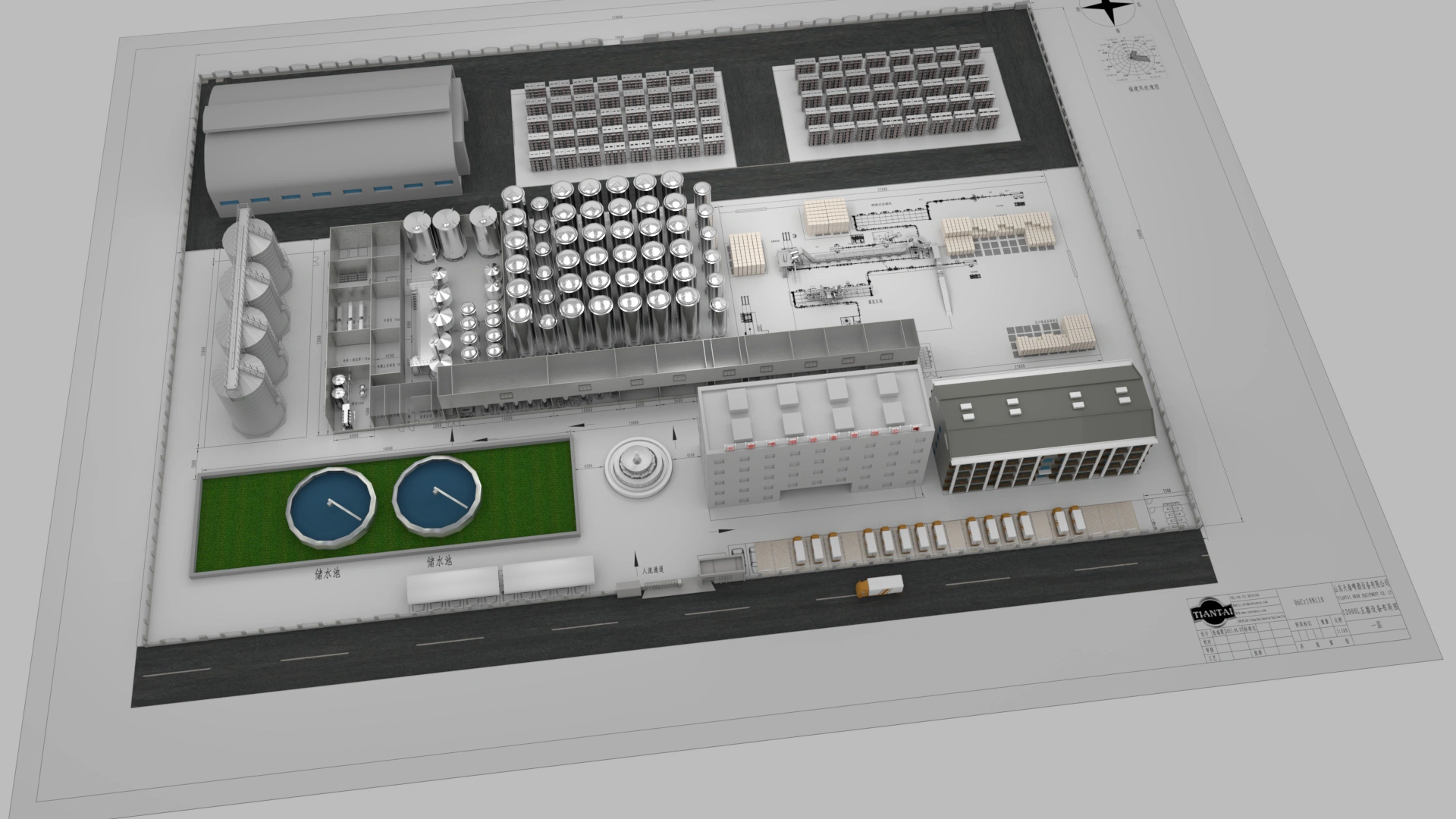
Step 3: Creating the Realistic Brewery Layout Drawings
We create a series of layout diagrams that represent your brewery factory exactly as it will appear in real life. Throughout the project, these drawings serve as the foundation for installation, routing, safety planning, and workflow optimization.
When designing your brewery layout, we focus on:
1. Process Flow Optimization
We design layouts that follow the natural brewing process to eliminate unnecessary movement and labor. Every extra step costs time—and time is money.
2. Utility Planning
Our layouts consider:
Piping routes
Power outlet positioning
Glycol inlet and outlet placement
Steam, water, and drainage systems
A logical utility layout prevents future modifications and reduces installation costs.
3. Space for Expansion
A successful brewery grows. By planning expansion routes early, you avoid expensive redesigns later and ensure utilities are already positioned for future tanks.
4. Practical Operating Logic
We address important practical questions, such as:
What is the best location for glycol lines for each FV and BBT?
Is there enough space for forklifts or pallets?
Is the brite tank near the cold room?
Can the lauter tun be positioned near the door to easily move spent grain?
Often, these simple decisions have a huge long-term impact on production efficiency.
Work With Tiantai — Your Brewery Design & Equipment Partner
When you work with Tiantai, you don’t just get high-quality beer brewery equipment. You also gain professional consulting support, complete brewery layout design, technical guidance, and a long-term partner for your growing brewery factory.
[email protected]
Emily Gong