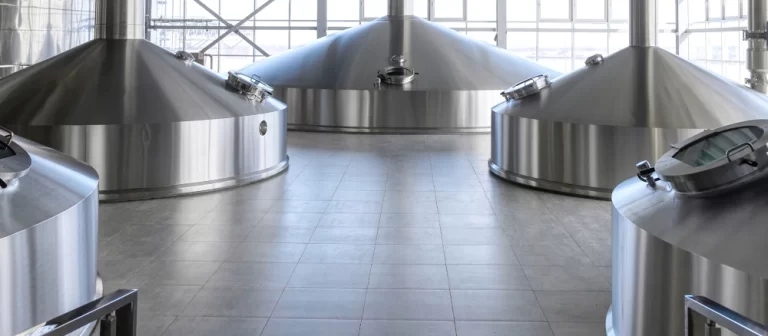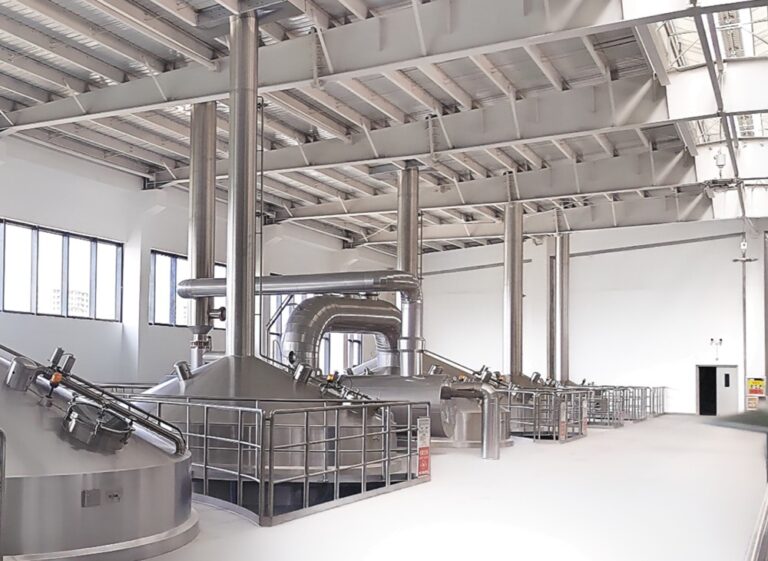
In whisky production, the relationship between fermentation tank capacity and wash still size is one of the most critical decisions for a smooth and efficient operation. Get it wrong, and you risk fermentation bottlenecks, idle distillation equipment, or inconsistent whisky quality. Get it right, and your production line flows seamlessly while preserving both efficiency and flavor.
Understanding the Role of Fermentation Tanks and Wash Stills
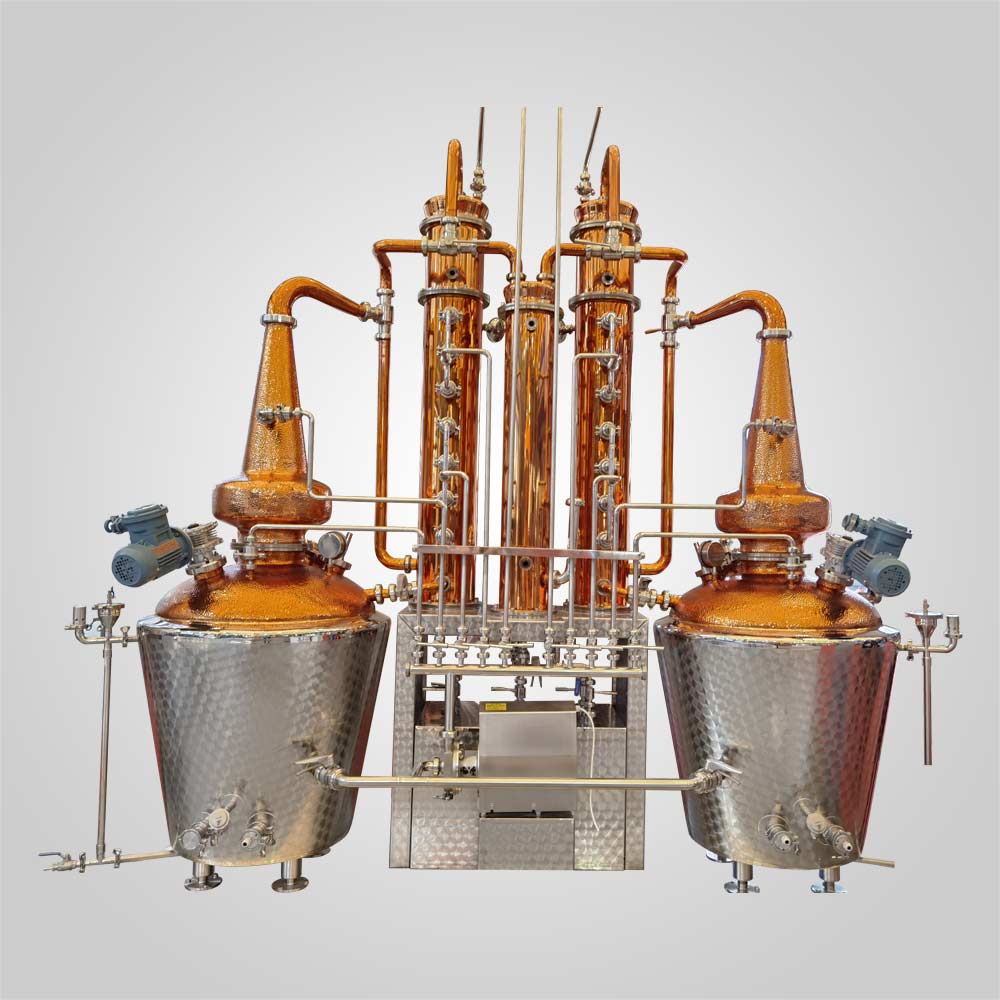
Fermentation tanks are the “rhythm setters” of whisky production. They provide the time and space for yeast to convert sugars in the wash into alcohol and a wide array of flavor compounds. Wash stills, on the other hand, act as the “beaters,” concentrating alcohol and flavor precursors during the first distillation (the stripping run). Properly sizing fermentation tanks relative to your wash stills ensures that the supply of fermented wash aligns with your distillation schedule.
Typical Industry Ratios
In most whisky operations, industry experience suggests a total fermentation volume to wash still volume ratio of roughly 4:1 to 6:1. This ratio accounts for:
Standard fermentation periods of 72–96 hours
Wash stills operating 1–2 runs per day
Practical limitations on heating, cooling, and staff operations
For example, if your wash still has an effective liquid capacity of 2,000 liters and you can run it twice per day, you can process about 4,000 liters of wash daily. If your fermentation period is 96 hours (four days), the total fermentation volume should be around 16,000 liters, providing a comfortable buffer and continuous feed to the still.
Why Not a 1:1 or 2:1 Ratio?
Whisky production is not an instantaneous process. Fermentation takes several days to complete, and not all tanks finish at the same time. Additionally, wash stills require cleaning, maintenance, and occasional downtime. A smaller fermentation volume relative to still capacity could create bottlenecks, while oversized stills would remain underutilized. The 4–6:1 ratio provides enough flexibility to smooth out production schedules and accommodate variability in fermentation performance.
Practical Considerations
When configuring fermentation tanks, several practical points should be considered:
Leave some buffer capacity. Never design tanks that are “just enough” for your stills; unexpected variations in fermentation can disrupt your schedule.
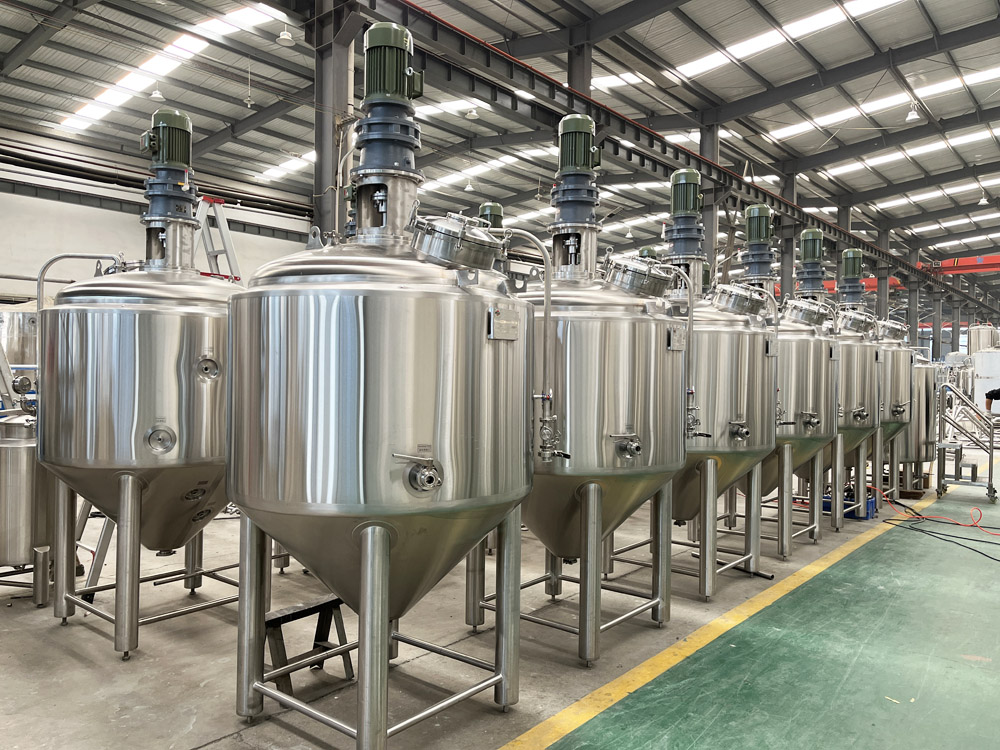
Opt for multiple smaller tanks instead of one huge tank. This approach increases operational flexibility, allows staggered fermentations, and makes experimental batches easier.
Plan for future expansion. Layout tanks so that additional capacity can be added or a second wash still can be integrated without major disruptions.
Does Spirit Still Size Matter?
Interestingly, the size of the spirit still—the second distillation vessel—does not directly affect fermentation tank sizing. Spirit stills process low wines, which can be stored and fed at a controlled rate. The key constraint remains the wash still, which receives the output from the fermentation tanks.
Summary
In whisky production, fermentation tanks are the production rhythm, and wash stills are the beat. Properly matching tank volume to still capacity ensures a continuous, efficient workflow while maintaining the flexibility needed for consistent, high-quality whisky. A total fermentation volume 4–6 times the size of your wash still is generally ideal, leaving space for operational variability and future growth.
By carefully planning this relationship, distillers can avoid bottlenecks, protect product quality, and maintain the steady production rhythm that is the backbone of successful whisky operations.
Thank you very much for your reading,feel free to contact us for getting your whisky distillery quote.
Helen Lee