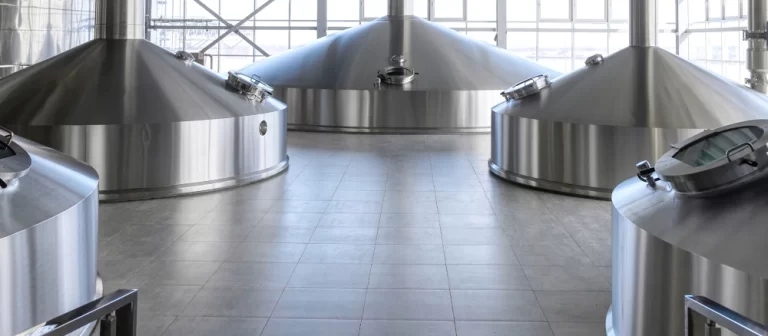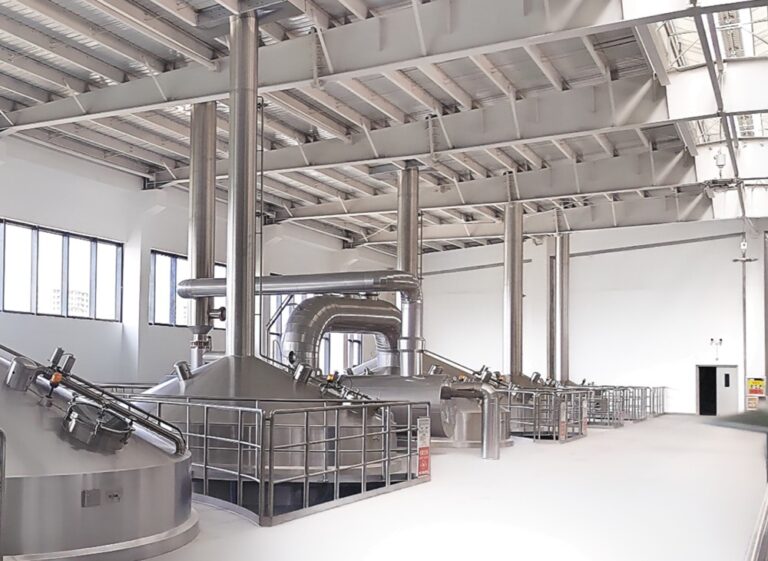
Kombucha has rapidly evolved from a small-batch artisanal beverage into a global functional drink category. With rising consumer demand for probiotic beverages, many companies are scaling from home brewing or small craft production to industrial kombucha manufacturing. One of the most important design decisions in a commercial kombucha facility is the fermentation tank type.
Should producers use open SCOBY tanks that mimic traditional fermentation, or closed pressure fermenters similar to those used in breweries?
Both approaches are used in the industry today, and each has advantages depending on the production philosophy, scale, and level of process control desired. This article explains how each system works and how to choose the right fermentation system for an industrial kombucha project.

1. Understanding Kombucha Fermentation
Kombucha fermentation relies on a symbiotic culture of bacteria and yeast, commonly known as a SCOBY. The SCOBY converts sweetened tea into a complex beverage containing:
Organic acids (acetic acid, gluconic acid, lactic acid)
Carbon dioxide
Trace alcohol
Probiotic microorganisms
Aromatic compounds
The fermentation typically occurs in two stages:
Primary Fermentation (F1)
Sweet tea + SCOBY + starter liquid
Duration: 7–14 days
Produces acids, mild carbonation, and microbial culture growth
Secondary Fermentation (F2)
Flavoring, carbonation adjustment, and maturation
The design of the primary fermentation vessel significantly affects microbial behavior, oxygen exposure, and product consistency.
2. Open SCOBY Tank Fermentation
Open fermentation tanks are the most traditional method of producing kombucha. These tanks are usually wide and shallow vessels that allow the SCOBY pellicle to float on the liquid surface.
Key Characteristics
Typical features of an industrial SCOBY tank include:
Large diameter cylindrical tank
Open or semi-open top design
Stainless steel construction (usually 304 or 316L)
Sanitary bottom outlet
CIP cleaning spray ball
Temperature control jacket
Breathable lid or sterile air filter
The wide surface area allows the SCOBY to grow and float on top of the tea during fermentation.
Why Oxygen Matters? Unlike beer fermentation, kombucha fermentation requires oxygen. Acetic acid bacteria convert ethanol into organic acids through an aerobic metabolic process.
The open tank allows oxygen transfer, which supports:
Acetic acid production
Healthy SCOBY growth
Faster microbial activity
This is why traditional kombucha fermentation vessels are rarely fully sealed.
Advantages of SCOBY Tanks
1). Authentic fermentation process
Many kombucha brands emphasize traditional brewing methods. Open fermentation closely replicates historical kombucha production.
2). Healthy SCOBY pellicle formation
The cellulose pellicle forms naturally on the surface in open tanks.
3). Lower equipment pressure requirements
Since the tank is not pressurized, the mechanical design is simpler and cheaper.
4). Lower capital cost
Open fermentation tanks are typically less expensive than pressure-rated fermenters.
5). Suitable for batch fermentation
Many kombucha producers prefer batch-style brewing for flavor development.
Limitations of Open Fermentation
However, open tanks also have drawbacks:
Higher contamination risk
Exposure to air increases the risk of contamination from wild yeast or bacteria.
Lower automation level
Industrial-scale process control is more difficult.
Less precise fermentation conditions
Oxygen levels and microbial activity are less controlled.
Labor intensive
Handling SCOBY layers and cleaning large open tanks requires more manual work.
3. Closed Pressure Fermenters
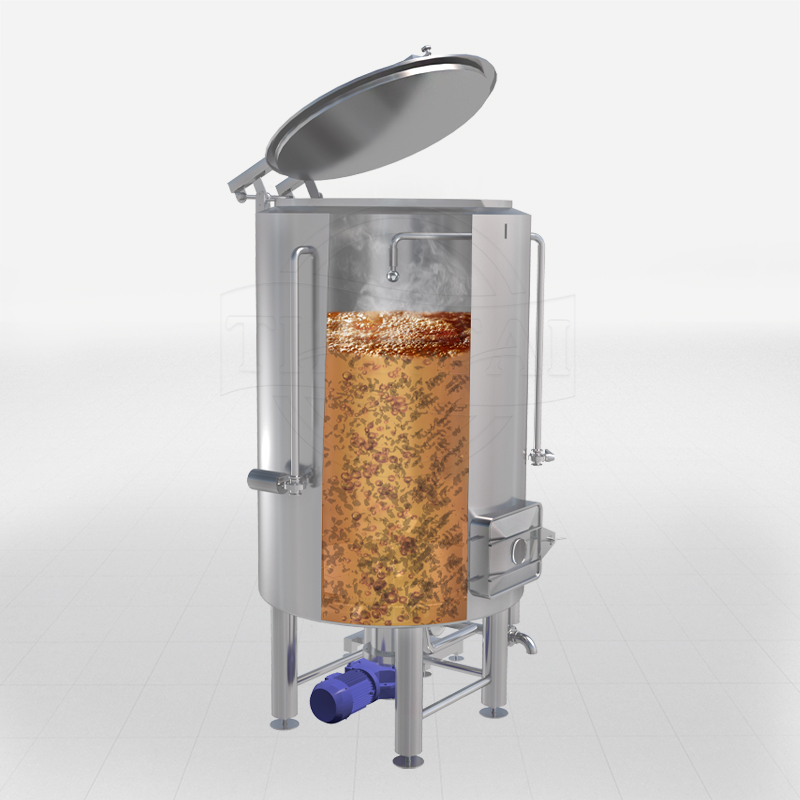
Some modern kombucha facilities use closed stainless-steel fermenters, similar to those used in breweries or beverage production lines.
These fermenters are sealed vessels capable of handling pressure and equipped with automated process control.
Typical design includes:
Fully sealed cylindrical tank
Pressure rating (1–3 bar)
Cooling jacket
CIP system
Sterile air inlet
Pressure relief valve
Sampling valve
Carbonation capability
Controlled Oxygen Introduction
Even though kombucha fermentation needs oxygen, closed fermenters can supply oxygen through controlled aeration systems.
Sterile air or oxygen can be introduced via:
Sterile air filters
Microbubble diffusers
Controlled airflow systems
This allows manufacturers to regulate oxygen exposure precisely.
Advantages of Closed Fermenters
1). Improved hygiene. Sealed systems significantly reduce contamination risk.
2). Consistent product quality. Closed fermentation allows better control over:
Temperature
Oxygen levels
Fermentation time
Microbial stability
3). Easier integration with automated production lines. Large-scale beverage factories prefer closed systems for automation.
4). Pressure carbonation capability. The fermenter can retain CO₂, reducing carbonation costs.
5). Smaller footprint. Closed fermenters can be taller rather than wider, saving factory space.
Limitations of Pressure Fermenters
Higher equipment cost
Pressure-rated tanks require thicker steel and more complex manufacturing.
Reduced SCOBY pellicle formation
Without a large open surface, the traditional SCOBY layer may not form well.
Different microbial balance
Some kombucha brewers believe closed fermentation slightly alters flavor complexity.
4. Industrial Kombucha Production Trends
The kombucha industry today includes both traditional brewers and large beverage companies.
Smaller craft producers often prefer: Open SCOBY tank fermentation, because it emphasizes authenticity and traditional brewing.
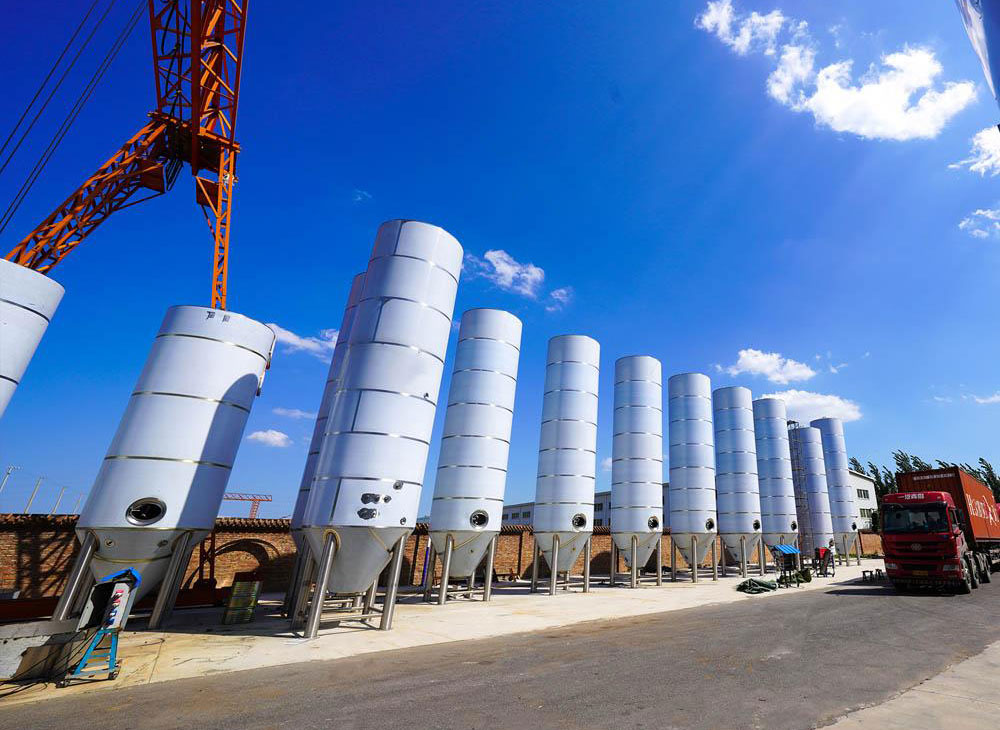
Large beverage companies usually adopt: Closed fermentation systems, because they provide better scalability, automation, and quality control.
Some factories even use hybrid systems, combining both methods.
5. Hybrid Kombucha Fermentation Systems
A hybrid production model is becoming increasingly popular in industrial kombucha facilities.
Typical workflow may include:
Primary fermentation in SCOBY tanks
Transfer to closed maturation tanks
Carbonation and flavor adjustment
Filtration or stabilization
Filling and packaging
This method combines the flavor complexity of traditional fermentation with the hygiene and efficiency of modern beverage processing.
6. Tank Size for Industrial Kombucha Projects
For large kombucha factories, fermentation tank sizes can vary widely depending on production capacity.
Typical industrial tank volumes include:
| Production Scale | Tank Volume |
| Pilot production | 500–1000 L |
| Small commercial | 2000–5000 L |
| Medium factory | 10,000 L |
| Large industrial facility | 20,000–50,000 L |
For example, a 20-ton SCOBY fermentation tank is commonly used in factories producing more than 100 tons of kombucha per day.
These tanks typically include:
Cooling jacket
CIP cleaning system
Sterile breathable lid
Sampling port
Level indicator
Temperature sensor
Sanitary manway
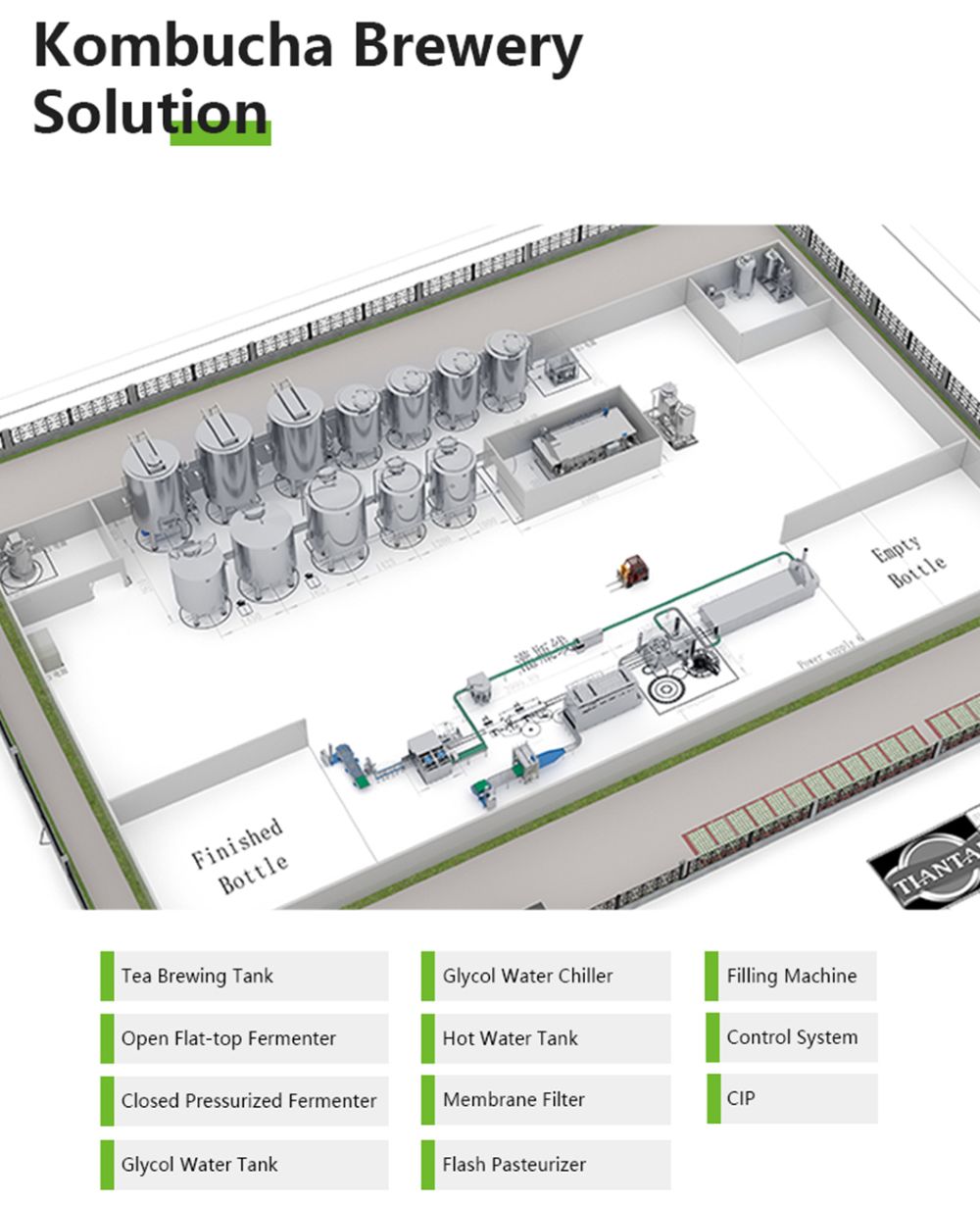
7. Key Equipment in a Kombucha Fermentation System
A complete industrial kombucha fermentation system usually includes:
Tea extraction system
Tea brewing tank
Tea filtration system
Sugar dissolution tank
Fermentation system
SCOBY fermentation tanks or pressure fermenters
Starter culture tank
Seed culture expansion tanks
Post-fermentation system
Mixing tanks
Flavor dosing system
Carbonation system
Stabilization system
Tunnel pasteurization
Flash pasteurization
Microfiltration
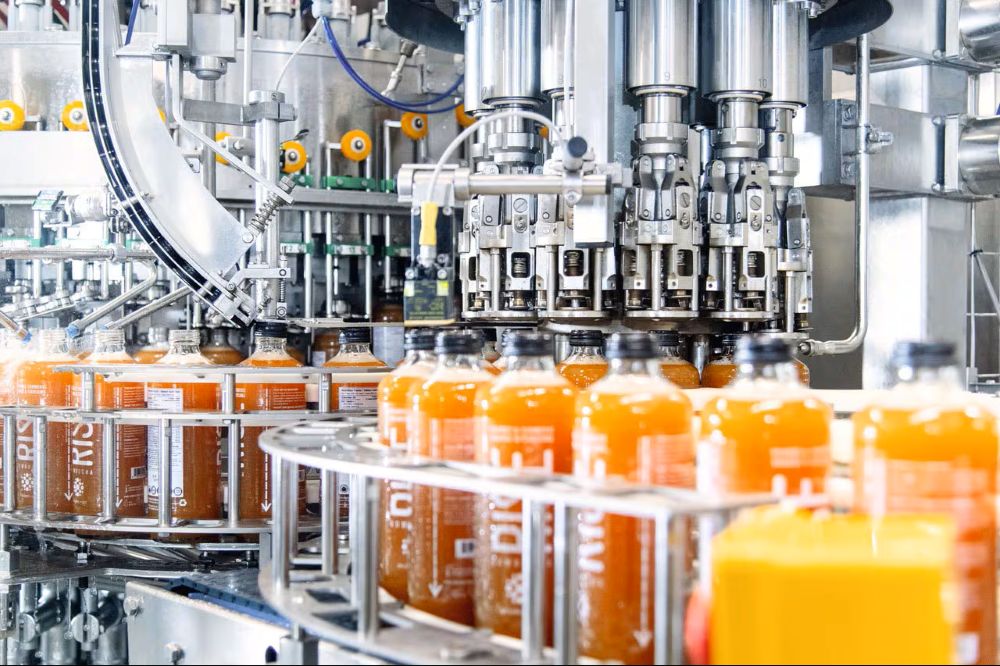
Filling system
PET bottle filling line
Glass bottle filling line
Can filling line
8. How to Choose the Right Fermentation Tank?
When designing a kombucha factory, the decision between SCOBY tanks and pressure fermenters depends on several factors:
Choose SCOBY Tanks if: You want traditional kombucha fermentation, Brand story emphasizes artisan brewing, Production scale is small to medium, Lower equipment cost is important.
Choose Pressure Fermenters if: You need industrial automation, High hygiene standards are required, Product consistency is critical, The facility produces large volumes.
9. The Future of Kombucha Fermentation Technology
As kombucha continues to grow in the global beverage market, fermentation technology is evolving.
Future kombucha factories are likely to combine:
Automated fermentation control
Advanced oxygen management
Large-scale stainless steel fermenters
Integrated beverage processing systems
At the same time, many premium kombucha brands will continue to highlight traditional SCOBY fermentation as a key part of their product identity.
Both open SCOBY tanks and closed pressure fermenters play important roles in modern kombucha production.
Open fermentation offers:
Authentic brewing tradition
Natural SCOBY growth
Lower equipment cost
Closed fermentation provides:
Better hygiene
Higher automation
More consistent production
For industrial kombucha projects, the best solution often depends on the brand positioning, production scale, and process control requirements.
In many modern facilities, a hybrid fermentation approach—combining traditional SCOBY fermentation with modern processing equipment—offers the best balance between flavor authenticity and industrial efficiency.
Edited By Daisy
[email protected]