In modern brewery operations, filtration plays a critical role in ensuring beer clarity, stability, and shelf life. Among the most widely used filtration technologies are plate (sheet) kieselguhr filters and candle kieselguhr filters. Both systems utilize diatomaceous earth (DE) as the filtration medium, but they differ significantly in design, operation, efficiency, and application scenarios.
This article explores the differences between these two filtration systems and provides practical guidance on how to choose the right one for your brewery.
1. Understanding Kieselguhr Filtration
Kieselguhr, also known as diatomaceous earth (DE), is a naturally occurring, highly porous material composed of fossilized algae. In beer filtration, DE forms a filter cake that traps yeast, proteins, and haze particles while allowing clear beer to pass through.
Both plate and candle filters rely on two key steps:
- Pre-coating: Applying a layer of DE onto the filter surface.
- Body feed dosing: Continuously adding DE during filtration to maintain permeability.
2. Plate Kieselguhr Filter
Structure and Working Principle
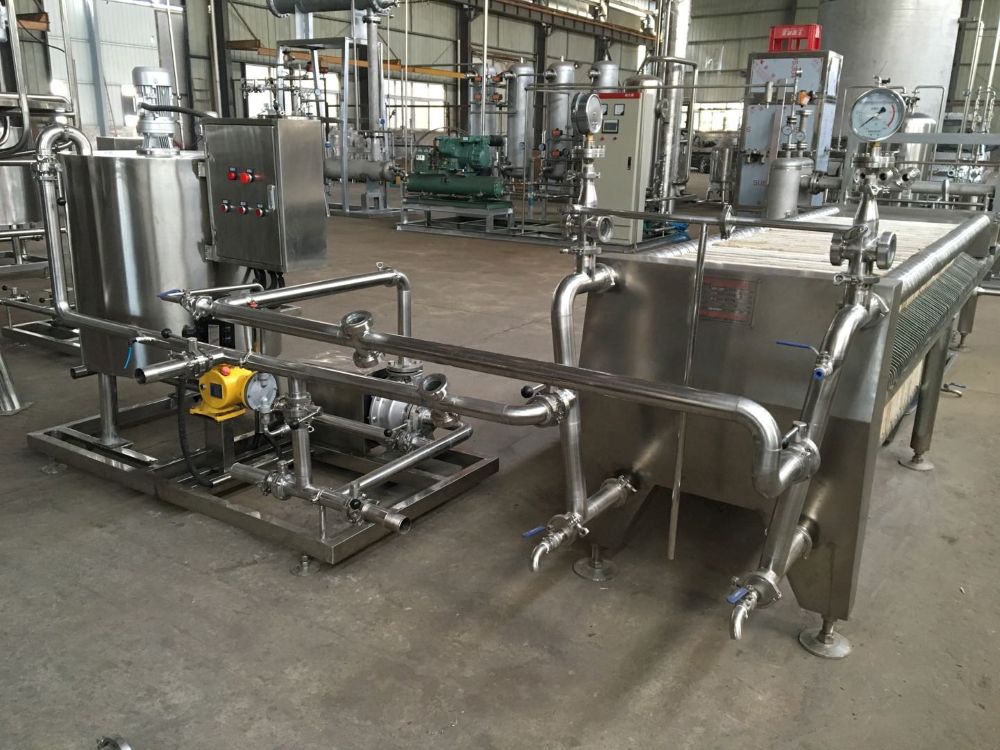
A plate filter consists of multiple vertical plates covered with filter sheets or cloth. DE is deposited onto these plates to form a filtration layer.
Beer flows through the filter sheets, leaving solids trapped in the DE cake.
Advantages
- Lower investment cost: Ideal for small and medium breweries.
- Simple operation: Easier to understand and maintain.
- Flexible batch processing: Suitable for varied production schedules.
- Compact design: Requires less initial infrastructure.
Disadvantages
- Labor-intensive cleaning: Manual removal of spent DE and sheets.
- Lower automation level: Requires more operator involvement.
- Beer loss: Higher product loss during discharge and cleaning.
- Limited capacity: Not ideal for large-scale continuous production.
Typical Applications
- Craft breweries
- Pilot brewing systems
- Breweries with production capacity below ~50 HL per batch
3. Candle Kieselguhr Filter
Structure and Working Principle
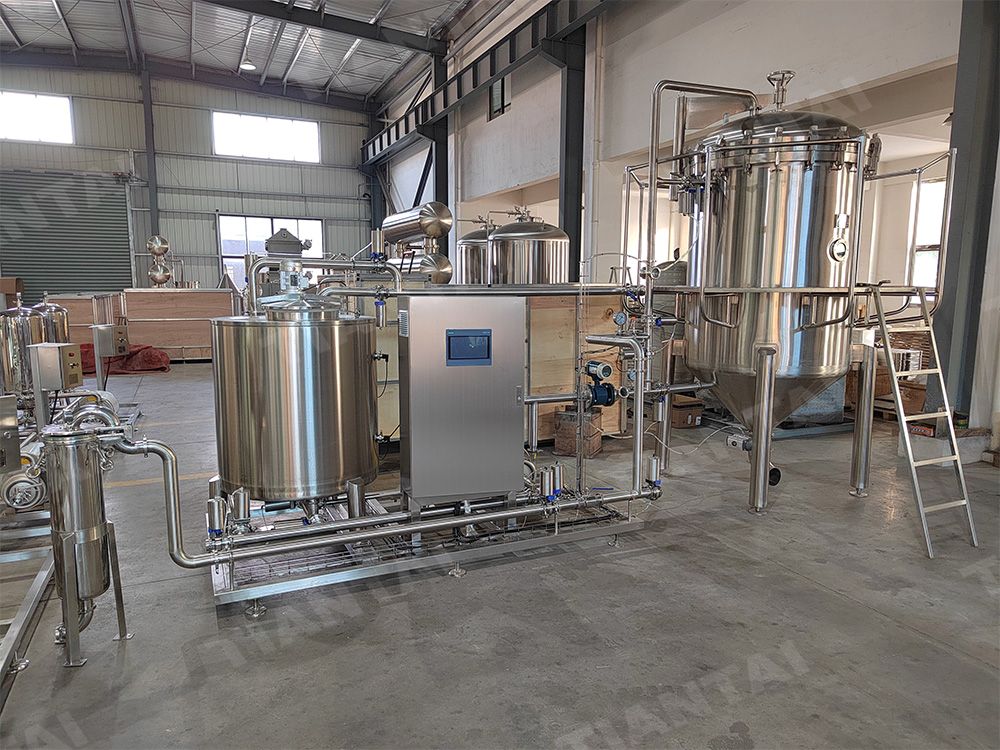
A candle filter consists of multiple vertical cylindrical elements (“candles”) housed in a pressure vessel. Each candle is covered with a fine mesh.
DE forms a uniform cake around each candle. Beer flows from outside to inside, leaving solids on the outer surface.
Advantages
- High automation: Fully automatic control (PLC systems).
- Closed system: Reduced oxygen pickup and contamination risk.
- Higher efficiency: Better filtration performance and clarity.
- Lower beer loss: Optimized discharge and recovery systems.
- Continuous operation: Ideal for large-scale breweries.
Disadvantages
- Higher initial investment
- More complex system: Requires skilled operation and maintenance
- Higher technical requirements: Automation and instrumentation needed
Typical Applications
- Industrial breweries
- High-volume production lines
- Breweries requiring consistent product quality
4. Key Comparison
| Feature | Plate Filter | Candle Filter |
| Investment Cost | Low | High |
| Automation | Low | High |
| Labor Requirement | High | Low |
| Beer Loss | Higher | Lower |
| Filtration Efficiency | Moderate | High |
| Oxygen Pickup Risk | Higher | Lower |
| Cleaning | Manual | Automatic (CIP capable) |
| Capacity | Small–Medium | Medium–Large |
5. How to Choose the Right System
Choosing between a plate and candle kieselguhr filter depends on several practical factors:
1. Brewery Scale
Small breweries (<50 HL/day): Plate filters are often sufficient and cost-effective.
Medium to large breweries (>100 HL/day): Candle filters provide better efficiency and scalability.
2. Budget Considerations
If capital investment is limited, a plate filter is a good starting point.
If long-term operational efficiency is the priority, candle filters offer better ROI.
3. Automation Needs
Breweries aiming for manual or semi-automatic operation can choose plate filters.
Breweries targeting full automation and consistency should choose candle filters.
4. Beer Quality Requirements
For high-end lagers or export beers requiring excellent clarity and stability, candle filters are preferred.
For local craft beers with shorter shelf life, plate filters are often adequate.
5. Labor and Operational Efficiency
If labor costs are high, candle filters reduce manpower requirements.
If skilled technicians are limited, plate filters may be easier to manage initially.
6. Future Trends
Many modern breweries are gradually shifting toward:
Candle filters with full automation
Membrane filtration systems (crossflow) for DE-free processes
However, kieselguhr filtration remains widely used due to its cost-effectiveness and proven reliability.
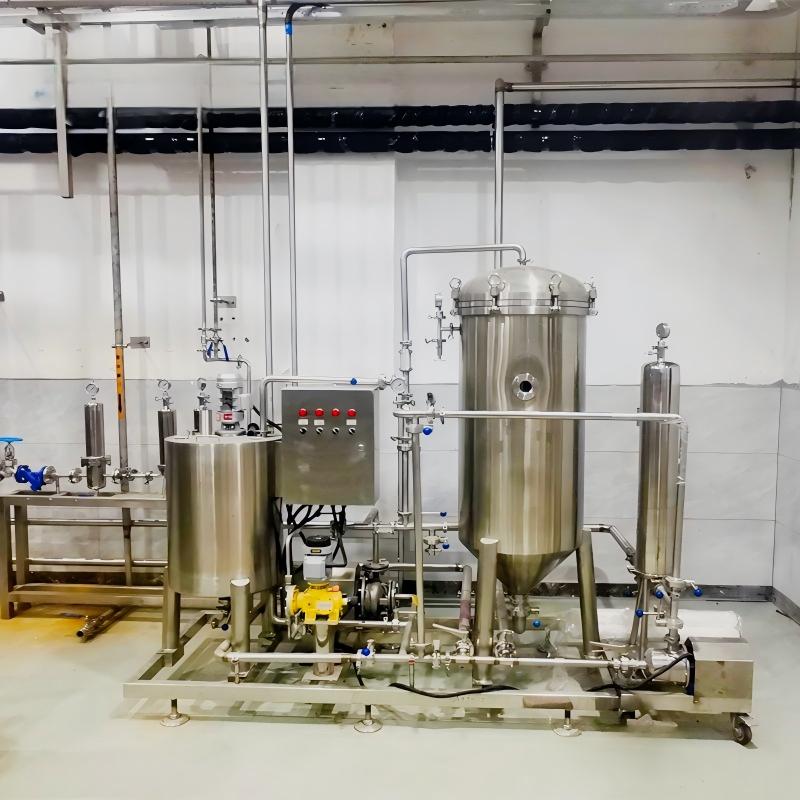
Both plate and candle kieselguhr filters have their place in brewery operations. Plate filters are ideal for small-scale, flexible, and budget-conscious breweries. Candle filters are the preferred choice for large-scale, automated, and quality-driven production. Ultimately, the best choice depends on your brewery’s production scale, budget, labor availability, and quality requirements.
If you’re planning a new brewery or upgrading your filtration system, evaluating both short-term costs and long-term operational efficiency will help you make the right decision.
Edited By Daisy
[email protected]