Имбирное пиво - это газированный напиток с натуральным вкусом, приготовленный из корня имбиря, сахара, воды и цитрусовых, при этом брожение обеспечивает естественную шипучесть и легкое содержание алкоголя (обычно <1% ABV). В зависимости от целей производства, пиво может быть сварено с использованием естественного брожения или контролируемой карбонизации.
1.Сырье
В состав входят: свежий корень имбиря (или экстракт имбиря), сахар (сахароза, глюкоза или патока), сок лимона или лайма, вода, дрожжи (Saccharomyces cerevisiae или аналогичные).
2.Приготовление сусла
Экстракция имбиря
Свежий имбирь вымыть, натереть или измельчить.
Нагревание в воде (~90°C) в течение 10-15 минут для извлечения вкусовых и ароматических соединений (гингеролов, шогаолов).
Смесь фильтруют для удаления твердых частиц.
Добавление сахара
Сахар растворяют в горячем имбирном экстракте, чтобы достичь желаемой гравитации (например, 1,030-1,045 SG для светлого имбирного пива).
Перемешайте до полного растворения.
Регулировка кислотности и вкуса
Добавьте лимонный сок или лимонную кислоту, чтобы сбалансировать pH (целевой pH 3,5-4,2).
На этом этапе можно добавить дополнительные вкусовые ингредиенты (например, цедру лайма, лемонграсс).
Охлаждение
Охладите смесь до температуры высадки дрожжей (20-25°C для элевых дрожжей).
3.Ферментация
Перелейте охлажденную жидкость в продезинфицированный ферментер.
Дрожжи для питча (около 0,5-1 г/л для коммерческих масштабов).
Ферментируйте при 20-25°C в течение 2-4 дней, в зависимости от желаемой сладости и карбонизации.
Ежедневно контролируйте гравитацию и вкус.
Когда остаточный сахар и карбонизация достигнут целевого уровня, холодный краш (охлаждение до ~2-4°C), чтобы остановить брожение.
Примечание: В безалкогольном имбирном пиве брожение либо предотвращается (пастеризацией или фильтрацией), либо заменяется принудительной карбонизацией.
4.Осветление и фильтрация
После ферментации:
Удалите дрожжи и твердые частицы путем фильтрации или центрифугирования.
Для естественно мутного имбирного пива минимальная фильтрация позволяет сохранить деревенский вид.
При необходимости подсластите сахарным песком или сиропом (обязательно пастеризованным или стабилизированным, если продукт остается непастеризованным).
5.Карбонизация
Два основных метода:
a.Естественная карбонизация
Разлейте пиво по бутылкам или бочонкам, пока в нем остается небольшое количество сахара или ферментируемого экстракта.
Закупорьте и оставьте на 1-2 дня для вторичного брожения при комнатной температуре, затем охладите.
Используется в традиционном или ремесленном производстве.
b.Принудительная карбонизация
Охладите фильтрованное имбирное пиво и введите CO₂ под давлением (обычно 2-3 объема CO₂).
Используется в коммерческом производстве для получения стабильных результатов.
6.Упаковка
Разливайте в стеклянные бутылки, банки или бочонки.
При естественном брожении используйте бутылки, устойчивые к давлению (например, с поворотной крышкой).
Пастеризуйте (обычно 60-70°C в течение 15-20 минут) или подвергайте холодной фильтрации для стабилизации срока хранения.
Сводный поток:
Подготовка имбиря → Варить с сахаром → Охлаждать → Добавлять дрожжи → Бродить → Фильтровать → Карбонизировать → Разливать по бутылкам → Охлаждать
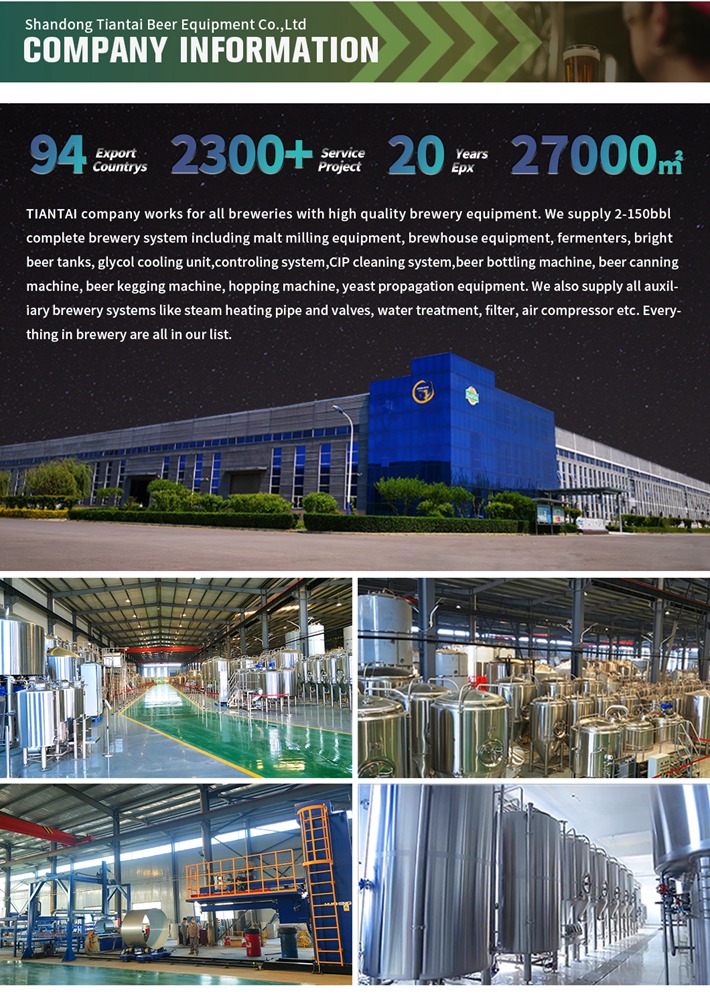
Компания TIANTAI может предоставить вам различные дистилляторы, предложить инновационные решения и передовые технологии, чтобы помочь вам осуществить ваши мечты о пивоварении. С Tiantai вы можете быть уверены, что ваш проект пивоварни будет в руках экспертов от начала и до конца. Являясь генеральным подрядчиком, Tiantai предлагает готовые решения для всего пивоваренного завода. Мы производим точно подобранные системы пивоварения, разработанные с учетом энергетических и экономических аспектов. Благодаря нашему многолетнему опыту в области строительства комплексных систем мы успешно реализовали множество проектов "под ключ" по всему миру.
Хелен Ли
Менеджер по продажам
[email protected]