Комбуча набирает популярность как освежающий, богатый пробиотиками напиток. Независимо от того, занимаетесь ли вы пивоварением в качестве любителя или планируете перейти на коммерческое производство, выбор правильного метода приготовления имеет решающее значение для качества, постоянства и эффективности. Но при наличии множества доступных подходов - от небольших домашних установок до крупных промышленных систем - как понять, какой из них лучше всего подойдет именно вам?

1.Домашнее пивоварение: Методы мелкосерийного производства
Для новичков и любителей мелкосерийное пивоварение - самый доступный вариант.
Баночка или стеклянный сосуд Метод:
Классический метод предполагает ферментацию сладкого чая в стеклянной банке с помощью SCOBY (симбиотической культуры бактерий и дрожжей). Это недорогой способ, за ним легко следить, и он идеально подходит для экспериментов со вкусами.
Плюсы: Доступность, гибкость, легкость настройки вкусов
Минусы: Ограниченный размер партии, повышенный риск загрязнения при несоблюдении правил гигиены.
Этот метод идеально подходит для тех, кто хочет получить практический опыт и получить партию, рассчитанную на домашнее хозяйство или местную общину.
2.Промежуточное пивоварение: Небольшие коммерческие или микропивоварни
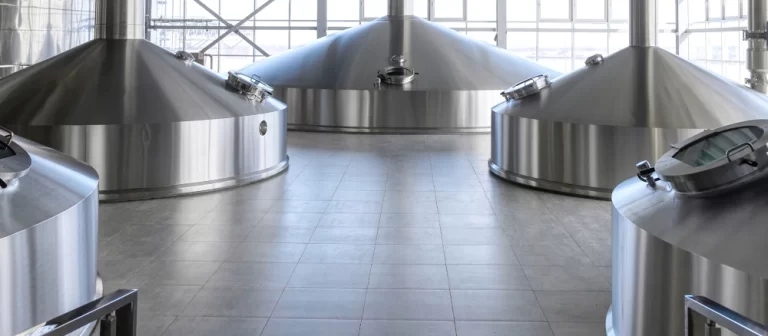
Для небольших предприятий резервуары или ферментеры из нержавеющей стали обеспечивают лучший контроль над процессом пивоварения.
Особенности: Контроль температуры, герметичные системы, порты для отбора проб
Плюсы: Улучшенная согласованность, более легкое поддержание гигиены, масштабируемое производство
Минусы: Более высокая первоначальная стоимость, требуется определенное знание оборудования для пивоварения
Эти системы идеально подходят для ремесленных пивоваров, которые хотят расширить производство за пределы домашней кухни, сохраняя при этом качество и контроль.
3.Крупномасштабное коммерческое пивоварение
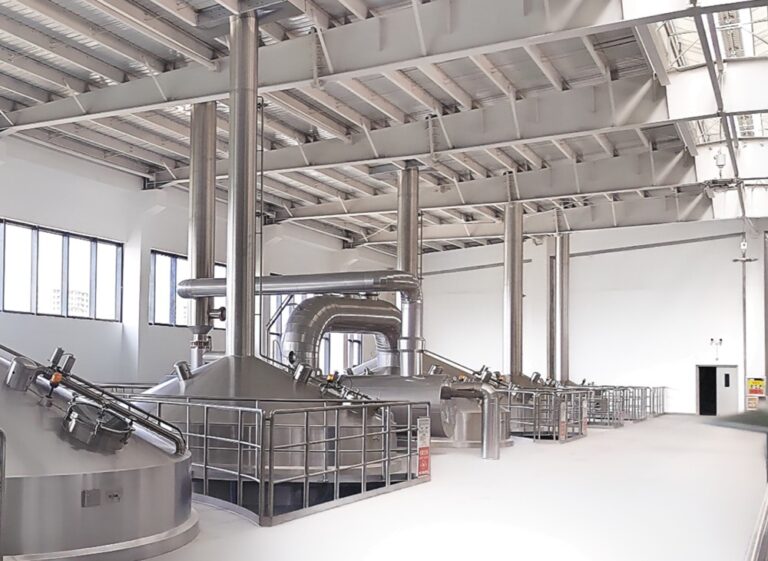
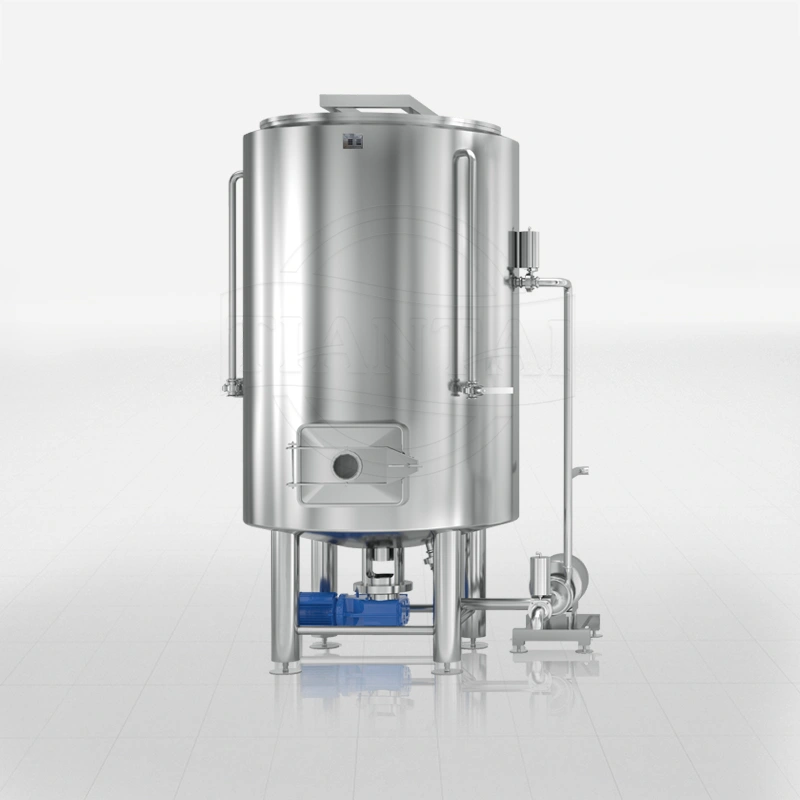
Для крупномасштабного производства комбуча обычно варится в промышленных ферментерах с автоматизированным оборудованием.
Особенности: Регулирование температуры, контроль давления, автоматизированные линии наполнения, управление кислородом
Плюсы: Постоянные большие партии, сокращение трудозатрат, подходит для дистрибуции
Минусы: Большие инвестиции, требуются технические ноу-хау и помещение.
Крупномасштабные системы подходят для брендов, выходящих на розничный или оптовый рынок и стремящихся к стабильному качеству продукции при больших объемах.
4. Ключевые факторы, которые необходимо учитывать
При выборе метода заваривания учитывайте:
Размер партии - домашний или коммерческий масштаб
Контроль над ферментацией - температура, воздействие кислорода и карбонизация
Бюджет - первоначальные затраты в сравнении с производственными целями
Постоянство качества - ручной и автоматизированный контроль
Выбор правильного метода приготовления комбучи зависит от ваших целей, опыта и масштаба. Новичкам подойдут простые стеклянные банки, небольшим коммерческим пивоварам - контролируемые ферментеры, а крупным предприятиям - промышленные системы, обеспечивающие эффективность и последовательность. Грамотный выбор гарантирует, что ваша комбуча будет вкусной, безопасной и будет соответствовать вашим амбициям в пивоварении.
Большое спасибо за прочтение.
Хелен