In a modern brewery, temperature control is not just a technical requirement—it is a defining factor in product quality and consistency. From wort cooling to fermentation temperature management, a properly sized chiller system ensures that every batch meets the desired standards. However, designing the right brewery chiller sizing is often more complex than it appears.
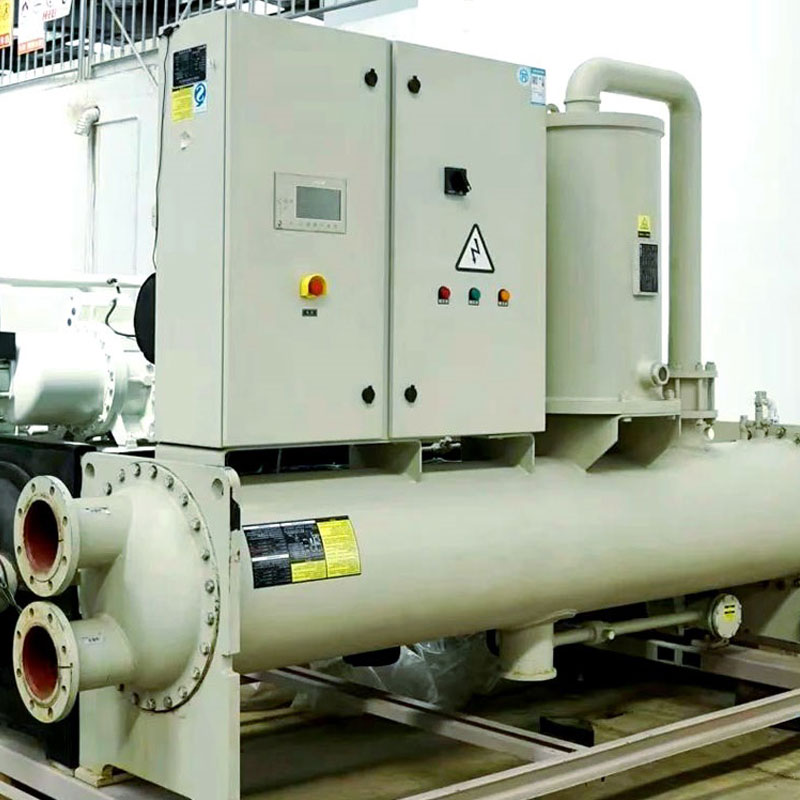
The first step in chiller sizing is understanding your brewery’s total cooling load. This includes multiple stages of the brewing process: rapid wort cooling after boiling, heat generated during fermentation, and any additional cooling requirements such as cold crashing or conditioning. Each of these stages contributes to the overall demand placed on the chiller system. Underestimating this load can lead to insufficient cooling capacity, while oversizing may result in unnecessary capital and operational costs.
Fermentation is typically the most significant contributor to cooling demand. Yeast activity generates heat, and maintaining a stable fermentation temperature is crucial for flavor development. The size and number of fermentation tanks, along with the type of beer being produced, will influence how much cooling is required. For example, lagers generally require lower fermentation temperatures and longer conditioning times compared to ales, placing greater demand on the system.
Another key consideration is peak versus average load. Breweries often experience periods of high demand, such as during multiple simultaneous fermentations or back-to-back brewing cycles. A well-designed chiller system should be capable of handling peak loads without compromising performance. This is where the use of glycol buffer tanks becomes valuable. By storing chilled glycol, the system can respond more effectively to sudden spikes in demand.
Environmental factors also play a role. Ambient temperature, ventilation, and insulation all affect how hard the chiller must work. Breweries in warmer climates or confined indoor spaces may require higher-capacity systems to maintain consistent performance. Similarly, proper insulation of tanks and piping can significantly reduce cooling losses and improve overall efficiency.
Flexibility and scalability should not be overlooked. As production grows, cooling requirements will increase. Designing a modular chiller system or allowing space for future expansion can save time and investment down the line. It is far more cost-effective to plan for growth early than to retrofit an undersized system later.
This is where working with experienced equipment providers becomes essential. A well-engineered solution takes into account not only your current production volume but also your workflow, tank configuration, and future goals. Customized chiller systems, paired with efficient glycol distribution and control mechanisms, can dramatically improve both energy efficiency and operational reliability.
Ultimately, proper chiller sizing is about balance—matching cooling capacity with real operational needs while maintaining room for growth. With thoughtful design and the right technical support, breweries can ensure stable fermentation, consistent product quality, and long-term efficiency.
Спасибо за чтение.
Хелен Ли