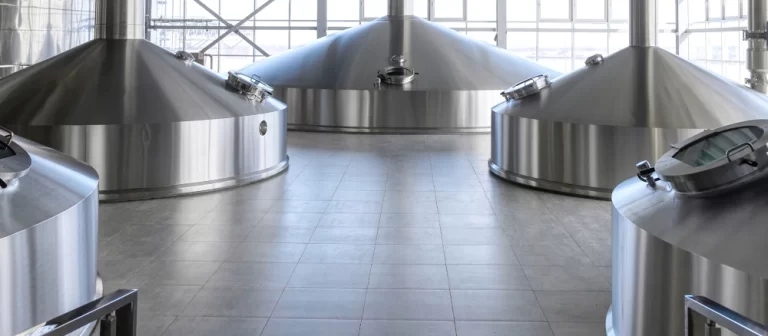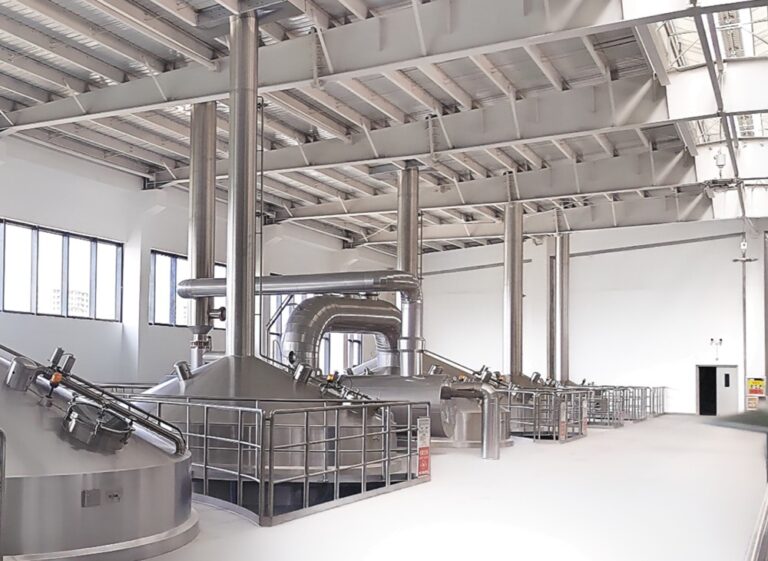
Carbon dioxide (CO₂) is a natural byproduct of fermentation, produced when yeast converts sugars into alcohol and flavor compounds. While CO₂ plays an important role in protecting the product from oxidation and contributing to carbonation, excessive buildup inside fermentation tanks can create safety risks, impact fermentation performance, and even damage equipment. Proper CO₂ management is therefore essential for any brewery, winery, or distillery.
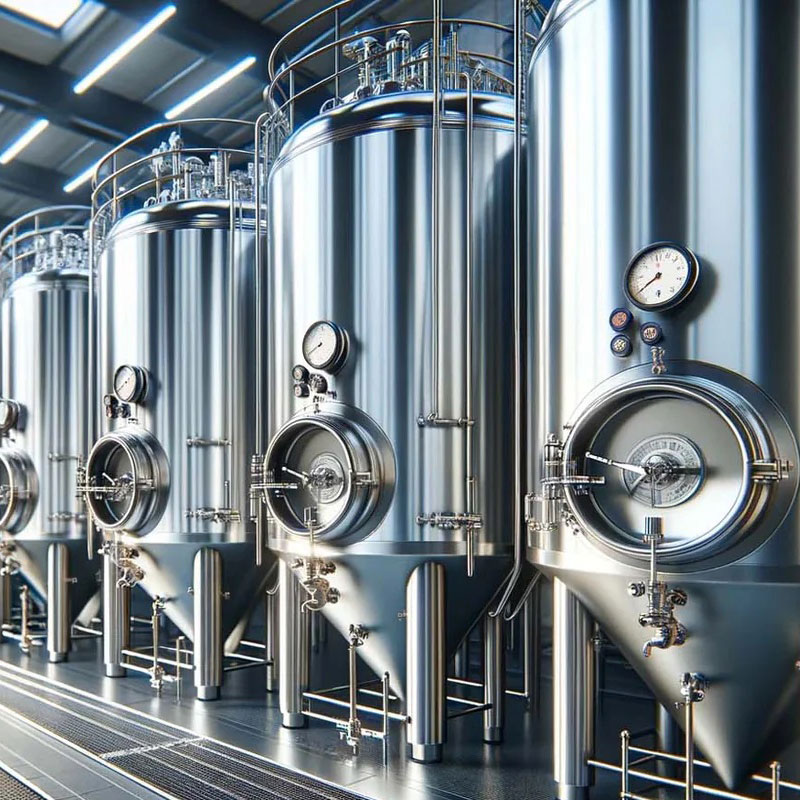
One of the most effective ways to control CO₂ buildup is through proper tank design. Modern fermentation vessels are typically equipped with pressure relief valves (PRVs) and blow-off arms. These components allow excess gas to escape safely while maintaining the desired internal pressure. Regular inspection and maintenance of these valves are critical to ensure they function correctly and do not become blocked by foam or residue.
Ventilation is another key factor. Fermentation areas should be well-ventilated to prevent CO₂ from accumulating in the surrounding workspace. Because CO₂ is heavier than air, it tends to settle in low-lying areas, increasing the risk of asphyxiation for workers. Installing CO₂ detectors at appropriate heights and locations can provide early warnings when gas levels exceed safe thresholds, allowing for quick corrective action.
Monitoring fermentation conditions also helps manage CO₂ production. Temperature, yeast health, and sugar concentration all influence the rate of fermentation and, consequently, the volume of CO₂ generated. By maintaining stable and optimal fermentation parameters, producers can avoid sudden spikes in gas production that may overwhelm tank systems.
In some cases, controlled CO₂ capture and reuse systems can be implemented. These systems collect the gas released during fermentation, purify it, and store it for later use, such as carbonation or purging tanks. This not only reduces environmental impact but also improves operational efficiency.
Finally, staff training should never be overlooked. Employees should understand the risks associated with CO₂ exposure and be familiar with safety protocols, including confined space procedures and emergency response actions.
In summary, managing CO₂ buildup requires a combination of proper equipment, environmental controls, process monitoring, and safety awareness. By implementing these measures, producers can ensure both product quality and a safe working environment.
Tiantai Brewtech, a well-recognized manufacturer of beer and beverage equipment industry based in Jinan city of China, provides compete lines and the turnkey service for breweries and beverage projects worldwide. Since 2001, Tiantai team has witnessed the rapid development of the industry with 19 years of experience,Tiantai Company is committed to the research and the development of diversed brewing process, customized equipment, automatic control, and datalized management. Up to now, Tiantai Company has served more than 3500 breweries in 106countries with our equipment and solutions along with gaining good reputations.
Feel free to contact us for a quote.
Спасибо за чтение.
Хелен Ли