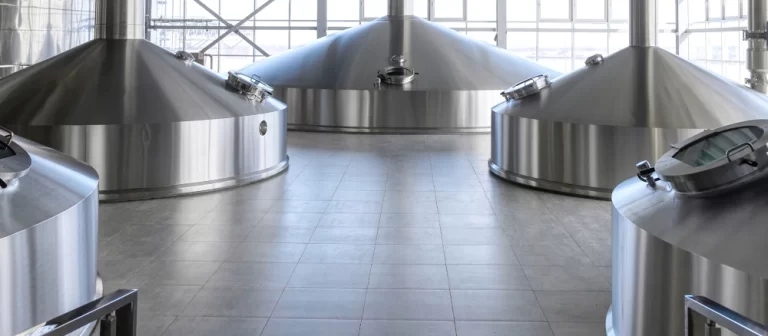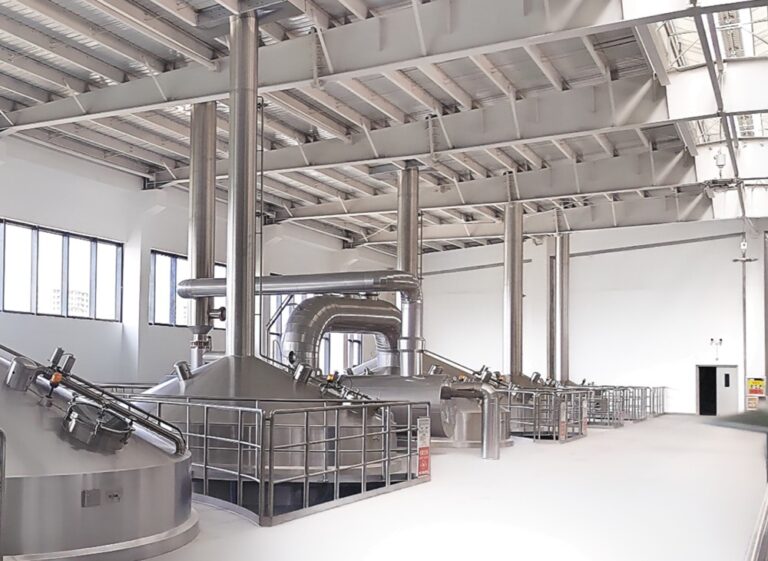
In recent years, the global beverage industry has undergone a significant shift driven by changing consumer preferences. Among the most influential trends is the growing demand for healthier options and low-alcohol alternatives. This transformation is not just a passing phase—it reflects a broader lifestyle change as consumers become more conscious of what they drink and how it affects their well-being.
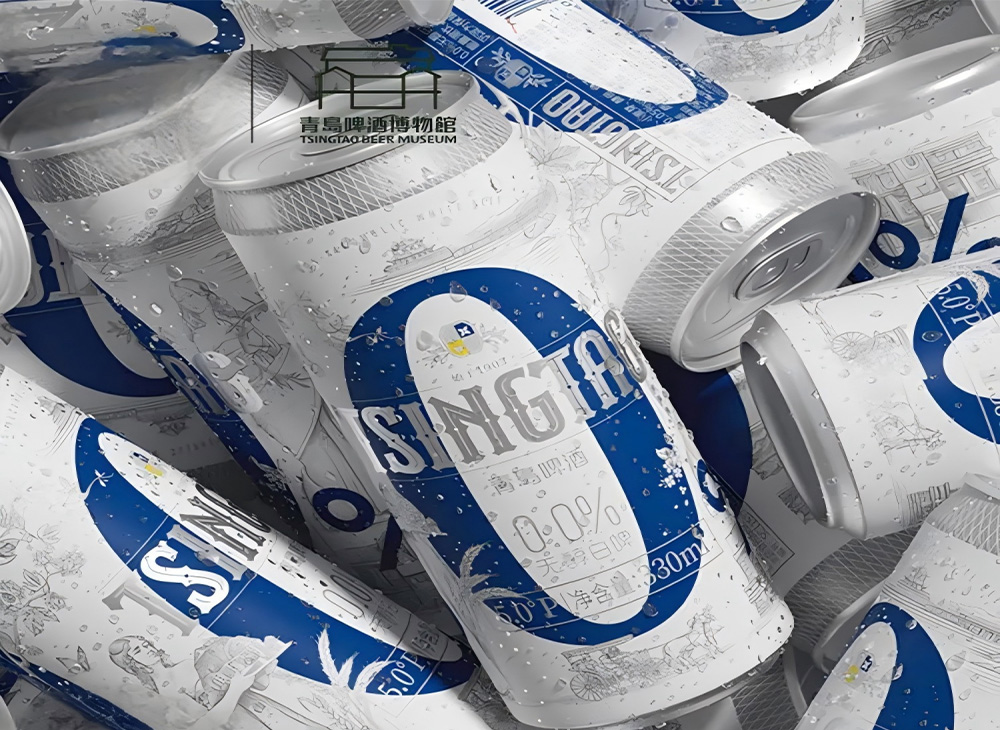
One of the key drivers behind this trend is increased health awareness. Modern consumers are paying closer attention to calorie intake, sugar levels, and alcohol consumption. As a result, traditional high-alcohol beverages are gradually being replaced—or at least complemented—by low-alcohol and alcohol-free options. Products labeled as “low ABV” or “0.0% alcohol” are no longer niche offerings; they have become mainstream in many markets, especially in Europe and Asia.
Another important factor is the shift in drinking culture, particularly among younger generations. Millennials and Gen Z consumers are more likely to adopt a “moderation mindset.” They still enjoy social drinking but prefer beverages that allow them to maintain control, stay productive, and avoid the negative effects of excessive alcohol consumption. This has led to the rise of “sessionable” beers—light, flavorful, and lower in alcohol—as well as a surge in non-alcoholic craft beers that do not compromise on taste.
Innovation is playing a crucial role in supporting this trend. Advances in brewing and distillation technologies have made it possible to produce low- and no-alcohol beverages with improved flavor profiles and mouthfeel. Techniques such as vacuum distillation, reverse osmosis, and arrested fermentation allow producers to retain aroma and complexity while reducing alcohol content. At the same time, the incorporation of functional ingredients—such as vitamins, botanicals, and adaptogens—is creating a new category of beverages that combine enjoyment with perceived health benefits.
The growth of this segment also presents new opportunities for brands and producers. Expanding into low-alcohol or alcohol-free product lines can help companies reach a broader audience, including consumers who may have previously avoided alcoholic beverages altogether. It also enables brands to diversify their portfolios and stay competitive in an evolving market.
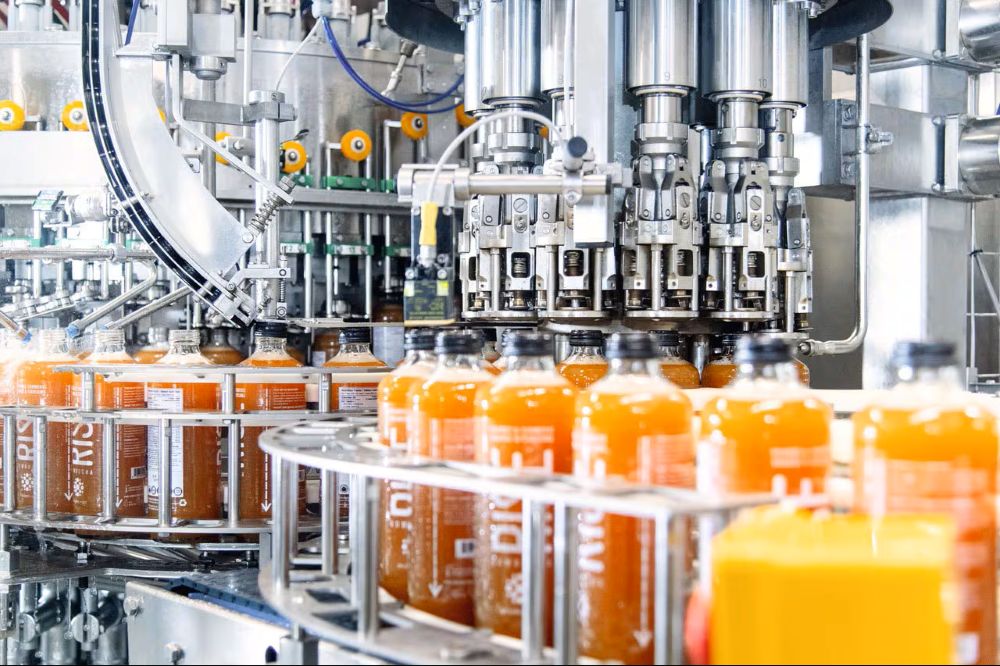
From a business perspective, the demand for healthier beverages is influencing not only product development but also production strategies. Breweries and beverage manufacturers are increasingly investing in flexible equipment and scalable systems that can handle a wider range of formulations. Efficiency, precision, and consistency are becoming even more important as product variety increases.
In conclusion, the health and low-alcohol trend is reshaping the beverage industry at every level—from consumer behavior to production technology. As this movement continues to gain momentum, companies that embrace innovation and adapt to these changing preferences will be best positioned for long-term success.
Спасибо за чтение.
Хелен Ли