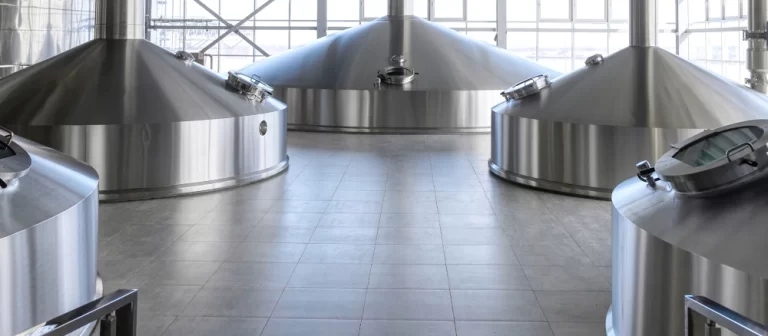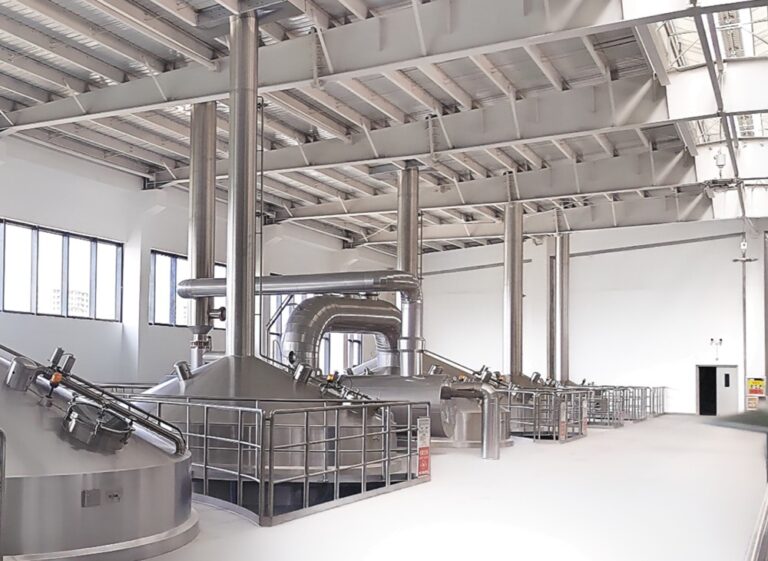
Комбуча - это ферментированный чайный напиток, известный своим уникальным вкусом и потенциальной пользой для здоровья. Он производится путем ферментации подслащенного чая симбиотической культурой бактерий и дрожжей (SCOBY), которая со временем превращает сахар в спирт, кислоты и газировку. В результате ферментации получается терпкий, слегка шипучий напиток с различными вкусами, в зависимости от типа используемого чая и дополнительных ароматизаторов, таких как фрукты, травы или специи. Что такое комбуча и какое оборудование необходимо для приготовления комбучи?
Комбуча часто рассматривается как тонизирующее средство, богатое пробиотиками, антиоксидантами и органическими кислотами, которые могут поддерживать пищеварение, укреплять иммунитет и улучшать общее самочувствие. Хотя содержание алкоголя в комбуче обычно невелико (менее 0,5%), она также содержит небольшое количество кофеина, в зависимости от используемого чая. Она завоевала популярность как освежающая, заботящаяся о здоровье альтернатива сладким газировкам и доступна в многочисленных вкусовых вариантах, часто продается в бутылках или банках для удобства употребления.
Для запуска коммерческого проекта по производству комбучи требуется основное оборудование, которое можно разделить на три ключевых этапа: варка, розлив, контроль качества и поддержка.
1. Основное оборудование для варки комбучи
Это сердце производства, определяющее мощность и основное качество.
Система приготовления чая комбуча: Используется для порционного заваривания чая, растворения сахара и охлаждения, обычно включает нагревательные баки, фильтры и теплообменники.
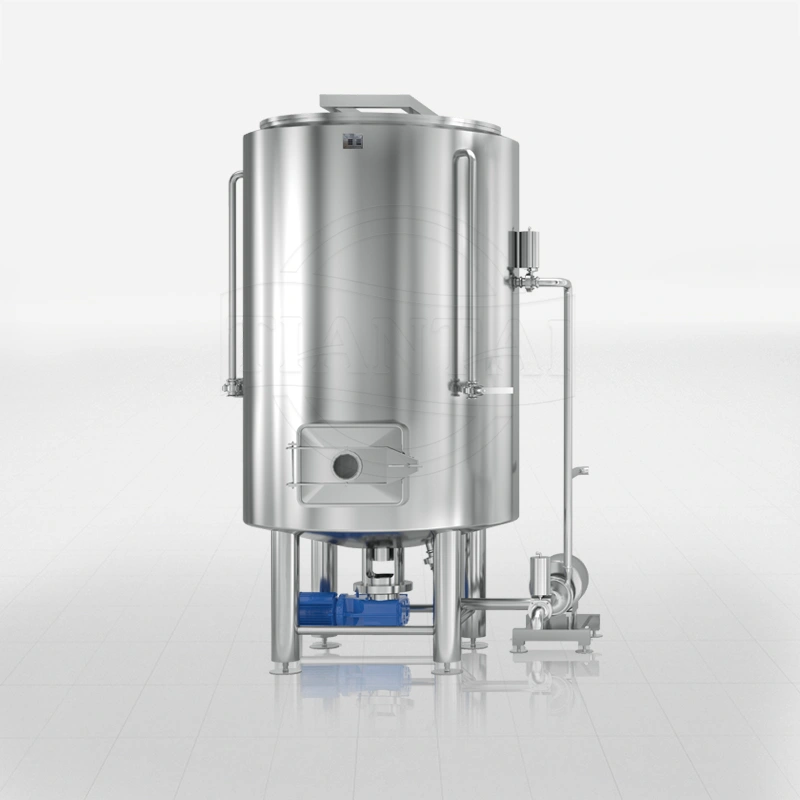
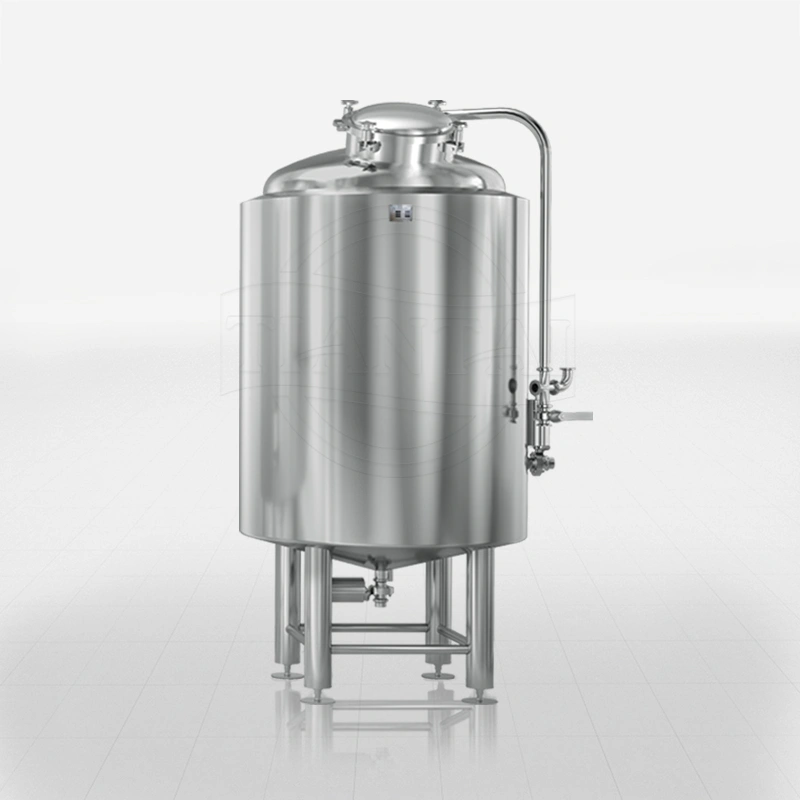
Емкости для брожения комбучи: Емкости для брожения должны быть изготовлены из **пищевой нержавеющей стали (например, 304/316L)**. Объем может варьироваться от сотен до тысяч литров. Высококачественные емкости оснащены **охлаждающими рубашками** для точного контроля температуры (обычно 24-29°C). Согласно результатам поиска, ферментационная система объемом 1000 л может стоить сотни тысяч юаней.
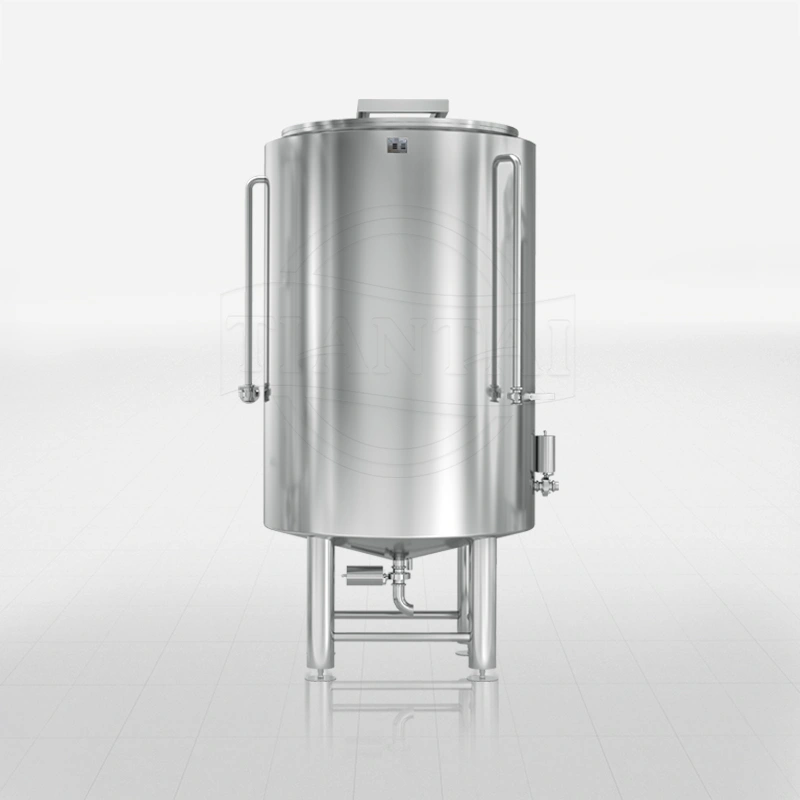
2. Оборудование для фильтрации и розлива/упаковки
Этот раздел влияет на форму конечного продукта и срок его хранения.
Система фильтрации: Удаляет остатки дрожжей и бактерий после ферментации, обеспечивая прозрачность и стабильность напитка перед розливом.
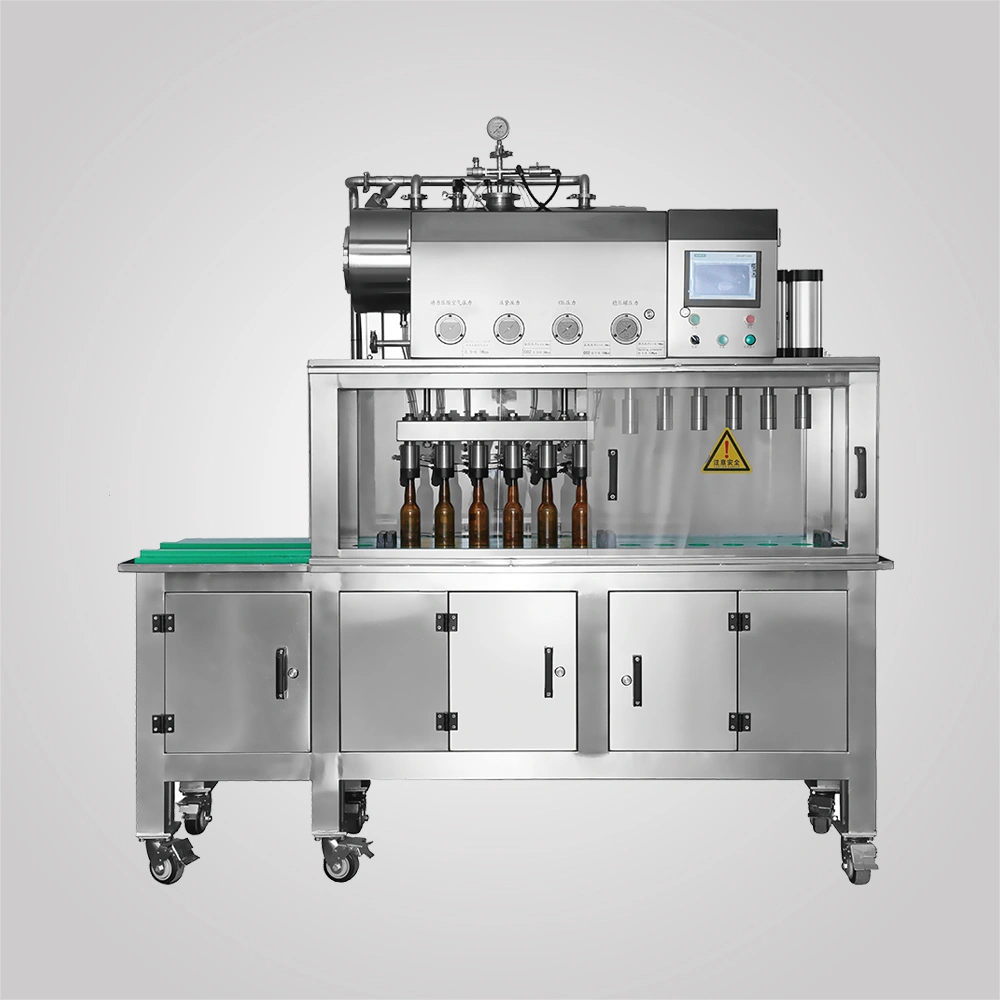
Оборудование для розлива: Учитывая, что комбуча содержит живые культуры и карбонат, для минимизации окисления и сохранения карбоната рекомендуется использовать изобарический автомат розлива (аналогичный принципам розлива пива). Оборудование должно быть адаптировано к различным типам упаковки, например, к стеклянным бутылкам.
Оборудование для маркировки и упаковки: Используется для маркировки продукции и внешней упаковки.
3. Контроль качества и вспомогательные системы поддержки
Обеспечение безопасной, последовательной и эффективной работы.
Оборудование для контроля качества: pH-метры (для контроля конечной точки брожения; безопасный уровень pH обычно ниже 4,2) и **рефрактометры**.
Система очистки на месте (CIP): Автоматизированная очистка и дезинфекция ферментационных емкостей и трубопроводов - важнейшая инвестиция для обеспечения безопасности пищевых продуктов и предотвращения микробного заражения.
Охлаждение и хранение: Включает контроль температуры в бродильном цехе и холодильной камере (для завершения брожения и хранения готовой продукции).
Если вас интересует какое-либо оборудование для пивоваренного завода, пожалуйста, обращайтесь к нам:
Айви Лян (директор по продажам)
Электронная почта: [email protected]