In modern breweries, fermentation design is evolving rapidly, with a growing focus on efficiency, product consistency, and operational flexibility. One common question that arises for brewers is whether a separate yeast addition tank is necessary if the brewery already has a pre-fermentation open fermenter. While it might seem redundant at first glance, the answer depends on several operational, microbiological, and logistical considerations.
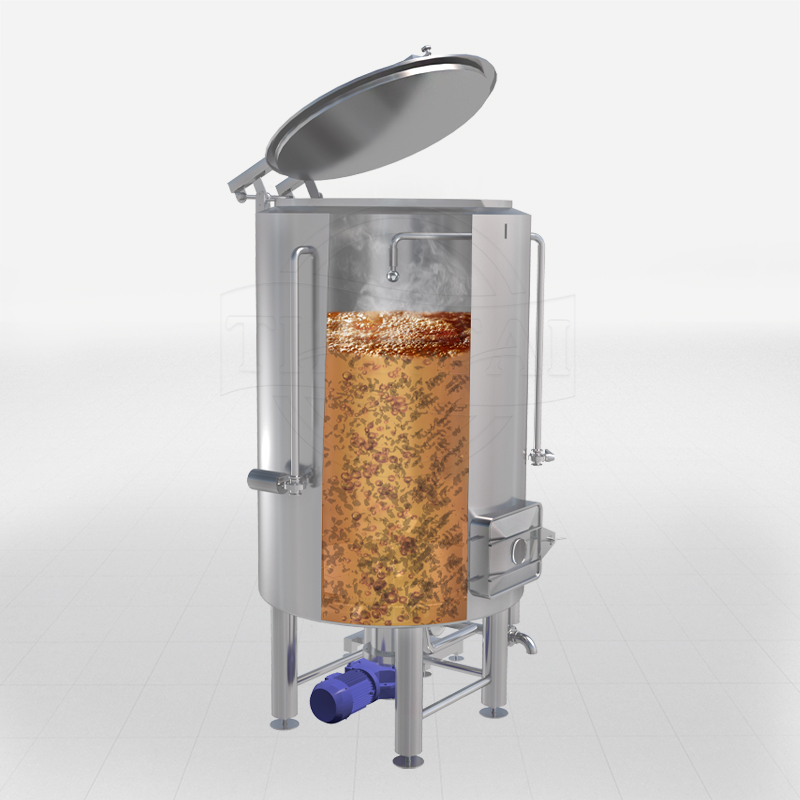
A pre-fermentation open fermenter is primarily used to mix wort and oxygen before yeast inoculation. It allows the brewer to aerate the wort, adjust temperature, and monitor the initial conditions of fermentation. Some open fermenters are large enough to handle both aeration and yeast pitching, which can make a separate yeast addition tank seem unnecessary. However, the role of a dedicated yeast addition tank goes beyond simply introducing yeast into the wort—it provides control, consistency, and safety.
One of the main advantages of a separate yeast addition tank is precise dosing. Brewers can propagate, monitor, and adjust yeast concentrations before inoculation. This ensures that the correct number of healthy cells enters the fermentation process, which is critical for achieving consistent attenuation, flavor development, and fermentation speed. Without a dedicated addition tank, yeast may be pitched directly into the open fermenter, which can lead to uneven distribution, inconsistent fermentation, or slower start times—especially in large-scale operations.
Another consideration is contamination control. Open fermenters, by nature, are exposed to the environment, increasing the risk of bacterial or wild yeast contamination. A separate yeast addition tank, ideally a closed or semi-closed system, allows brewers to handle and store yeast under sterile or controlled conditions. This reduces the risk of introducing unwanted microorganisms and protects the integrity of the batch.
Operational flexibility is also enhanced by a dedicated yeast addition tank. Breweries often need to adjust fermentation schedules, split batches, or use different yeast strains for experimental brews. Having a standalone tank allows brewers to prepare and store yeast independently of the open fermenter’s cycle. This separation can save time, improve workflow, and accommodate production scale-up without disrupting ongoing fermentations.
Temperature control is another important factor. Yeast metabolism is highly sensitive to temperature. In a dedicated addition tank, brewers can ensure yeast is at optimal temperature before pitching, avoiding thermal shock that could stress the cells and impact fermentation performance. While pre-fermentation open fermenters may allow some temperature adjustment, dedicated tanks provide more precise control, which is particularly important for high-quality or specialty beers.
In conclusion, while a pre-fermentation open fermenter can handle yeast addition in small-scale or simple setups, a separate yeast addition tank provides numerous operational advantages. It ensures precise dosing, reduces contamination risks, improves workflow flexibility, and maintains yeast health. For breweries aiming for consistency, quality, and scalability, investing in a dedicated yeast addition tank is a strategic choice that can enhance both fermentation performance and overall product quality.
Спасибо за чтение.
Хелен Ли