In modern craft brewing, grain milling plays a vital role in determining brewhouse efficiency, beer clarity, and overall flavor consistency. Among the two mainstream approaches—dry milling and wet milling—the latter has been gaining increasing attention for its advantages in wort production and brewery workflow. Understanding the differences between these two methods can help breweries choose the system that best suits their production goals. Below is a clear and practical comparison of wet milling and dry milling, highlighting their strengths and limitations.
What Is Dry Milling?
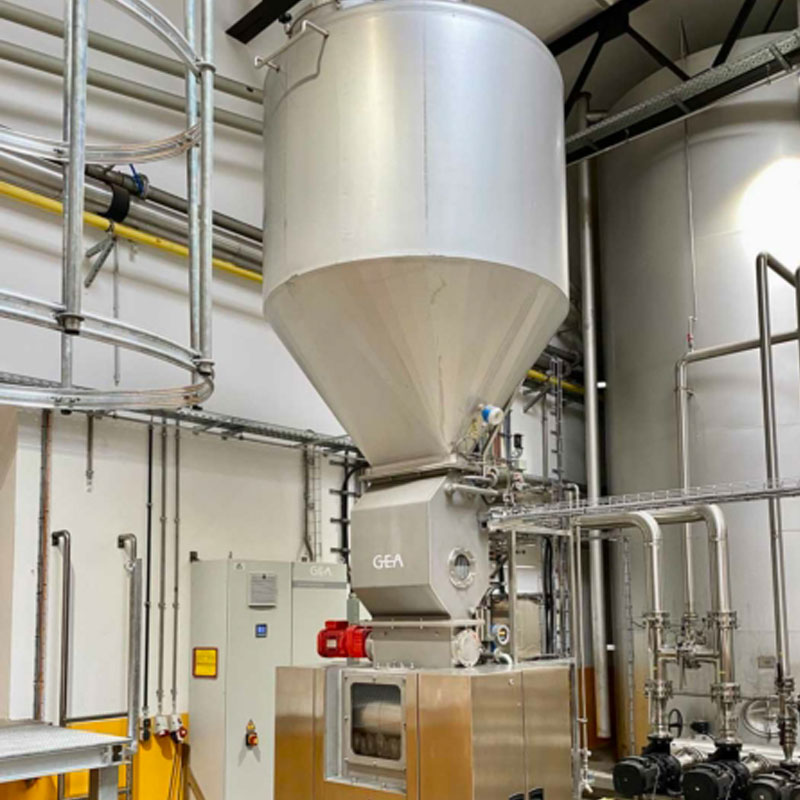
Dry milling is the traditional and most widely used grain-crushing method. Malt is passed through a roller mill in its dry state, breaking the kernels to expose the starchy endosperm while leaving the husk as intact as possible. This method is simple, effective, and suitable for nearly every brewhouse.
What Is Wet Milling?
Wet milling, also known as conditioned milling, adds a controlled amount of water to the malt before crushing. The slight moisture softens the husk while keeping the interior structure firm. This allows the rollers to produce a more uniform crush that enhances both lautering efficiency and wort clarity.
Advantages of Wet Milling
- Better Lautering Performance
One of the strongest benefits of wet milling is the quality of the husk after crushing. Because the husk absorbs moisture, it becomes more elastic and less likely to shatter. Intact husks form a superior natural filter bed, allowing wort to flow more smoothly during lautering. This reduces the risk of stuck mashes—especially important when brewing with high proportions of wheat, oats, or specialty grains.
- Higher Extract Efficiency
Wet milling often delivers more consistent particle size distribution, ensuring stronger starch exposure and more complete enzymatic conversion. Brewers commonly see increased brewhouse yield, making each batch more cost-effective.
- Improved Wort Clarity
A cleaner crush reduces fine particles and flour-like dust, resulting in clearer wort and more stable beer quality. This is especially valuable for breweries producing lagers, pilsners, or other styles where clarity matters.
- Reduced Dust and Cleaner Work Environment
Because the malt is moistened, airborne dust is significantly minimized. This not only improves workplace safety but also reduces the risk of dust-related equipment issues.
Disadvantages of Wet Milling
- Higher Equipment and Maintenance Costs
Wet milling systems require additional components such as conditioning units, moisture control systems, and specialized mills. The initial investment is higher, and the equipment requires more maintenance to prevent mold and corrosion.
- More Time and Process Steps
Conditioning the malt adds an extra step before milling. Small breweries with limited manpower may find dry milling more convenient.
- Increased Cleaning Requirements
Because moisture is introduced, hygiene becomes more critical. The mill and conditioning chamber must be cleaned frequently to avoid bacterial growth.
Conclusion
Both milling methods have clear merits. Dry milling is simple, affordable, and time-efficient—ideal for most small and medium-sized breweries. Wet milling, on the other hand, offers superior lautering, higher yields, and better wort clarity, making it an appealing choice for breweries focused on efficiency and premium product quality.
By understanding the strengths of each method, breweries can select the approach that best aligns with their production needs and brewing philosophy, ensuring consistent quality and long-term growth.
Thank you very much for your reading.
Helen