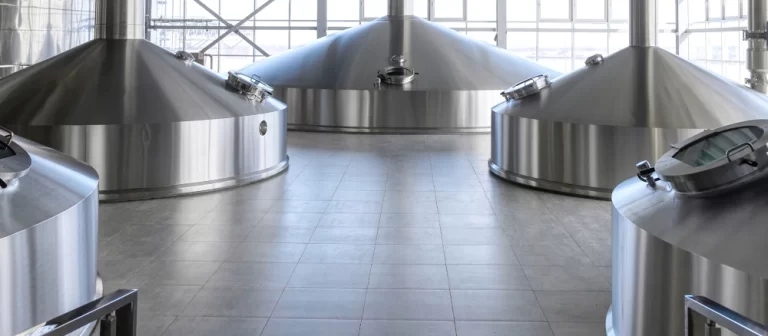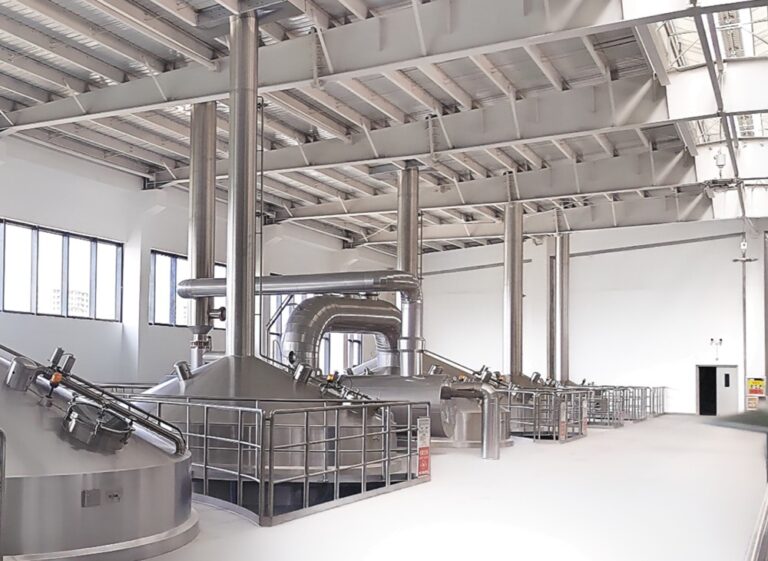
Non-alcoholic beers are no longer just an add-on, they’ve become an essential part of the core lineup. More and more customers ask TIANTAI Non-Alcoholic Beer Brewing System–Engineering the Future of Flavor Without Alcohol.
1.Introduction: The Rise of Non-Alcoholic Beer
The global beer market is undergoing a quiet revolution. While traditional beer consumption is stabilizing or even declining in some regions, non-alcoholic and low-alcohol beer (≤0.5% ABV) is one of the fastest-growing segments in the beverage industry. Driven by health awareness, lifestyle changes, stricter drinking-and-driving laws, and demand for functional beverages, consumers are increasingly seeking beer flavor without alcohol.
However, producing high-quality non-alcoholic beer is far more complex than simply “removing alcohol.” It requires precise process control, specialized equipment, and deep brewing know-how to preserve aroma, mouthfeel, and balance.
TIANTAI, with decades of experience in brewing and fermentation equipment, has developed advanced non-alcoholic beer brewing systems designed for craft breweries, regional producers, and industrial-scale operations—delivering authentic beer character with minimal or zero alcohol.

2.Understanding Non-Alcoholic Beer: Technical Challenges
Non-alcoholic beer production presents several key challenges:
–Flavor Loss
Alcohol acts as a carrier for aroma compounds. Removing or limiting alcohol often strips away esters, hop oils, and body.
–Microbiological Stability
Lower alcohol levels reduce beer’s natural microbial protection.
–Process Complexity
Brewing must carefully balance yeast activity, sugar conversion, and thermal stress.
–Regulatory Compliance
Alcohol thresholds vary by country (0.0%, 0.05%, or 0.5% ABV).
TIANTAI’s non-alcoholic beer systems are designed to address these challenges through multiple production pathways, allowing brewers to choose the most suitable method for their market and brand strategy.
3.TIANTAI Non-Alcoholic Beer Production Approaches
TIANTAI supports three main technical routes for non-alcoholic beer production, each with dedicated system configurations.
3.1 Limited Fermentation Brewing (Biological Method)
Concept: Alcohol formation is minimized during fermentation by controlling yeast behavior and wort composition.
Key Techniques:
Special low-attenuation yeast strains→Low fermentable sugar wort design → Low-temperature fermentation (8–12°C) → Early fermentation arrest
TIANTAI System Design Features:
Precision mash temperature control (multi-step infusion) → Highly accurate wort oxygenation system → Fermenters with advanced glycol zoning for tight temperature control → Automated fermentation stop logic (cooling + pressure control)
Advantages:
Natural brewing process → Lower investment cost →Suitable for craft and small-scale breweries
Limitations:
Alcohol typically around 0.3–0.5% ABV →Flavor profile requires careful recipe development
3.2 Dealcoholization After Fermentation (Physical Removal)
Concept:
Beer is brewed normally, then alcohol is selectively removed while preserving flavor compounds.
a) Vacuum Distillation System
TIANTAI integrates low-temperature vacuum evaporation systems, allowing alcohol removal at temperatures as low as 35–45°C, minimizing thermal damage.
System Components:
Vacuum evaporation column
Aroma recovery unit
Condensate alcohol separator
CIP-integrated closed-loop design
Advantages:
Full beer flavor development before alcohol removal
Suitable for premium non-alcoholic beer
b) Membrane Filtration (Optional Integration)
For advanced projects, TIANTAI can integrate:
Reverse osmosis (RO)
Nanofiltration (NF)
These systems separate alcohol and water from beer, then reconstitute the product.
Advantages:
Excellent flavor retention → Precise ABV control (down to 0.0%)
Considerations:
Higher capital investment→ Requires skilled operation’

3.3 Hybrid Brewing Solutions (TIANTAI Specialty)
TIANTAI’s strength lies in hybrid system design, combining:
Controlled fermentation
Gentle dealcoholization
Aroma recovery and reintegration
This approach allows breweries to: Optimize flavor → Reduce thermal stress→Improve energy efficiency
4.TIANTAI Non-Alcoholic Beer Brewing System Configuration
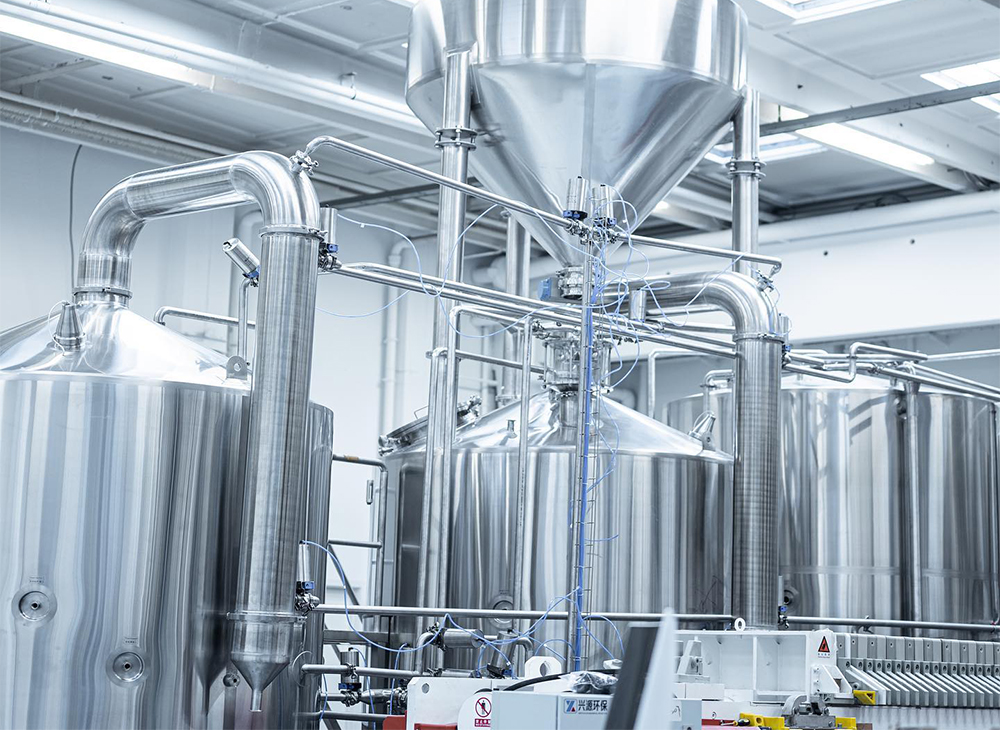
A typical TIANTAI non-alcoholic beer brewhouse and cellar includes:
4.1 Brewhouse Section
Malt handling & milling system
Mash tun with precise temperature ramping
Lauter tun with optimized false bottom design
Kettle with internal calandria (energy-efficient boiling)
Whirlpool for trub separation
4.2Cold Side & Fermentation
Plate heat exchanger (high-accuracy wort cooling)
Yeast propagation system
Cylindroconical fermenters (SS304 / SS316L)
Multi-zone glycol cooling jackets
Automated pressure & temperature control
4.3 Dealcoholization Module (Optional)
Vacuum distillation unit
Aroma recovery column
Alcohol collection tank
4.4 Post-Processing
Beer stabilization (pasteurizer or sterile filtration)
Carbonation system
Bright beer tanks
Packaging line integration (bottle / can / keg)
5. Automation & Control System
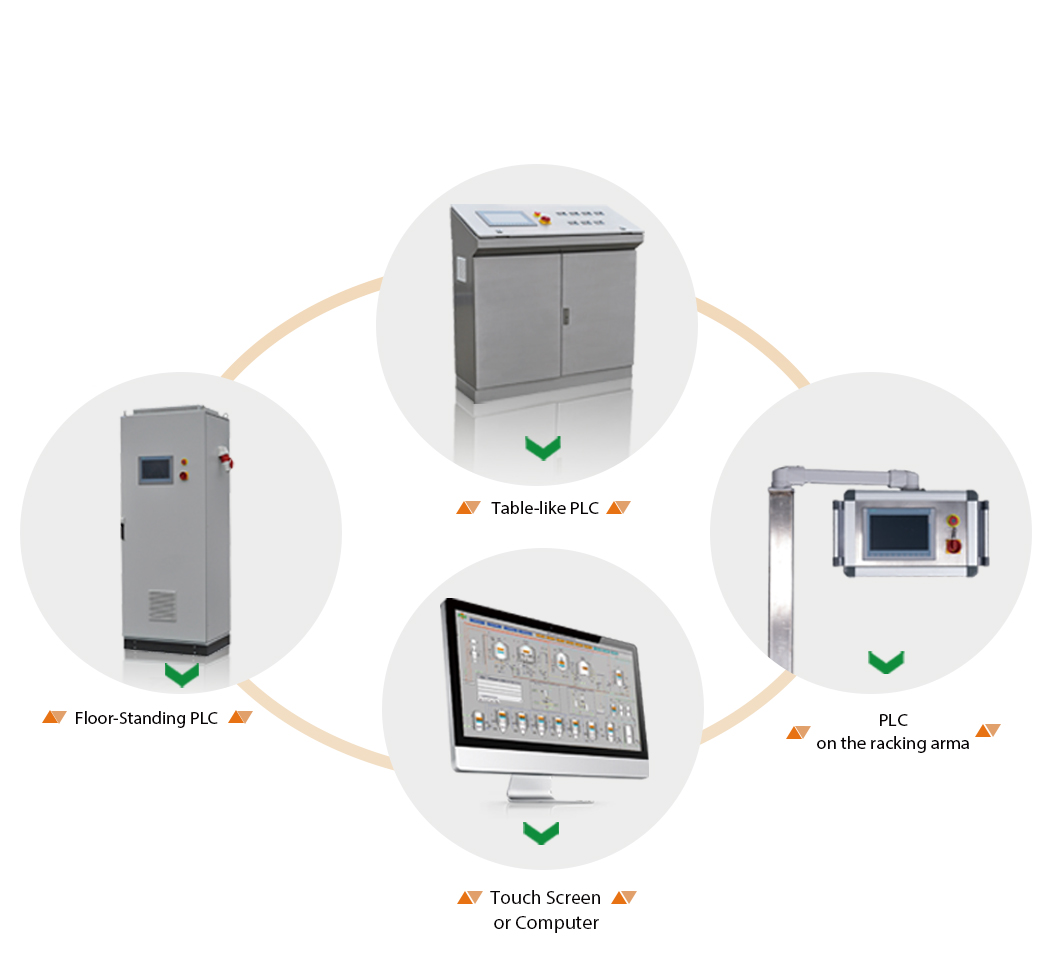
TIANTAI non-alcoholic beer systems are equipped with PLC + HMI automation, enabling:
Recipe management
Fermentation curve tracking
Alcohol level monitoring
CIP process automation
Remote troubleshooting capability
This ensures repeatability, consistency, and regulatory compliance, which are critical in non-alcoholic beer production.
6.Flavor Preservation: A Core Design Philosophy
TIANTAI places strong emphasis on sensory quality, incorporating:
Low-shear pumps
Gentle heat transfer surfaces
CO₂ blanketing throughout the process
Closed-loop aroma recovery
The result is a non-alcoholic beer with:
Authentic malt backbone
Clean bitterness
Balanced mouthfeel
Fresh hop aroma
7.Energy Efficiency & Sustainability
Non-alcoholic beer production can be energy-intensive. TIANTAI addresses this with:
Internal calandria kettles (lower steam consumption)
Heat recovery from wort cooling and dealcoholization
Optimized CIP water reuse systems
Insulated vessels to minimize thermal loss
These measures reduce operating costs and align with global sustainability goals.
8.Applications & Target Customers
TIANTAI non-alcoholic beer brewing systems are ideal for:
Craft breweries expanding product portfolios
Industrial breweries entering the 0.0% beer market
Beverage companies producing functional or wellness drinks
Export-focused brands needing strict ABV compliance
System capacities range from 5 HL pilot systems to 200 HL industrial brewhouses.
9.Why Choose TIANTAI?
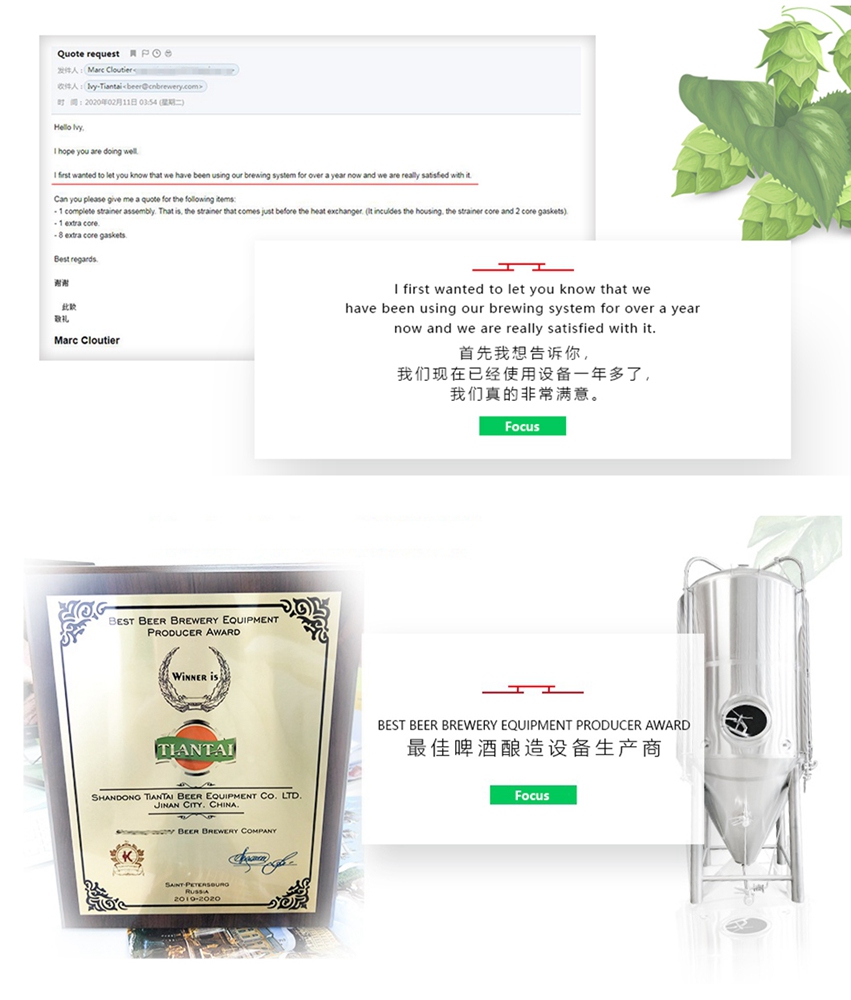
Proven experience in brewing & fermentation equipment
Flexible system design tailored to local regulations
Strong focus on flavor integrity
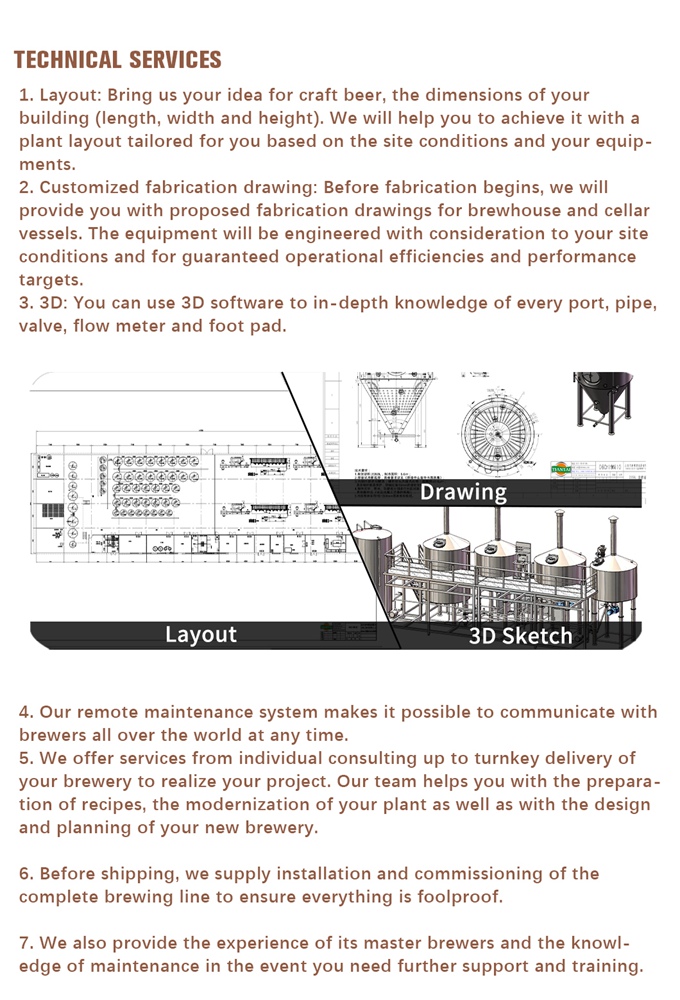
Full turnkey solutions (design → manufacture → installation)
Global project experience
TIANTAI does not just supply equipment — we engineer complete non-alcoholic beer solutions.
Brewing Without Alcohol, Not Without Character
Non-alcoholic beer is no longer a compromise. With the right technology and process design, it can deliver complexity, balance, and true beer identity.
The TIANTAI Non-Alcoholic Beer Brewing System empowers brewers to confidently enter this fast-growing market, offering flexibility, precision, and scalability — all while preserving what matters most: flavor.
If you are planning a non-alcoholic beer project, TIANTAI is ready to support you from concept to commercial success.
Edited By Daisy: [email protected]