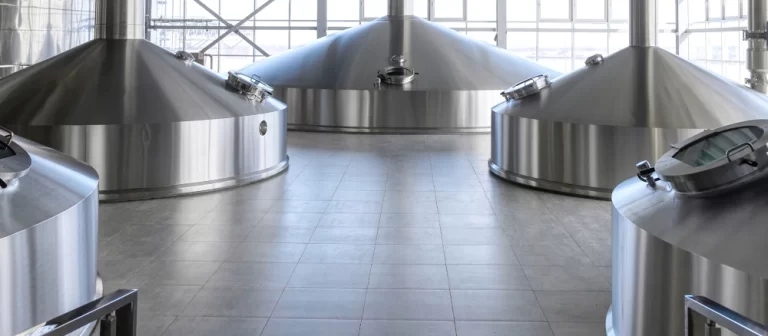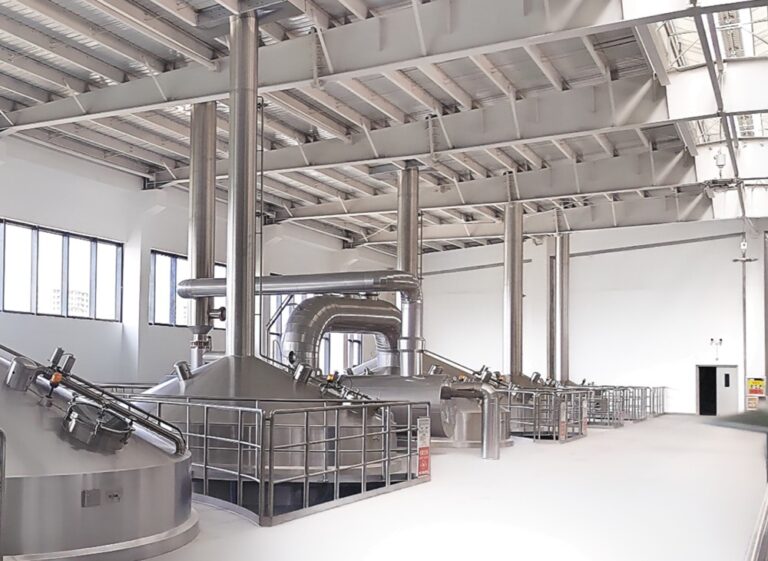
Fermentation is the heart of beer brewing, and it plays a significant role in defining the flavor, aroma, and overall character of the beer. There are three primary methods of fermentation in beer production: warm fermentation, cool fermentation, and spontaneous fermentation. Each method uses different temperature controls and yeast strains, contributing to a wide variety of beer styles. Here’s a breakdown of these methods and how they influence the final product.

- Warm Fermentation
Warm fermentation is typically used for ales and involves fermenting yeast at higher temperatures. Common yeast strains, such as Saccharomyces cerevisiae, are used for fermentation at temperatures ranging from 15 to 20°C (59 to 68°F). Some yeast strains can even tolerate higher temperatures, up to 24°C (75°F).
For example, Brasserie Dupont uses a special yeast strain for brewing their famous saison style beer, which ferments at even higher temperatures, between 29°C (84°F) and 35°C (95°F). This warmer fermentation environment promotes faster fermentation and the development of more fruity, spicy, and complex flavors, characteristic of many ale styles.
- Cool Fermentation
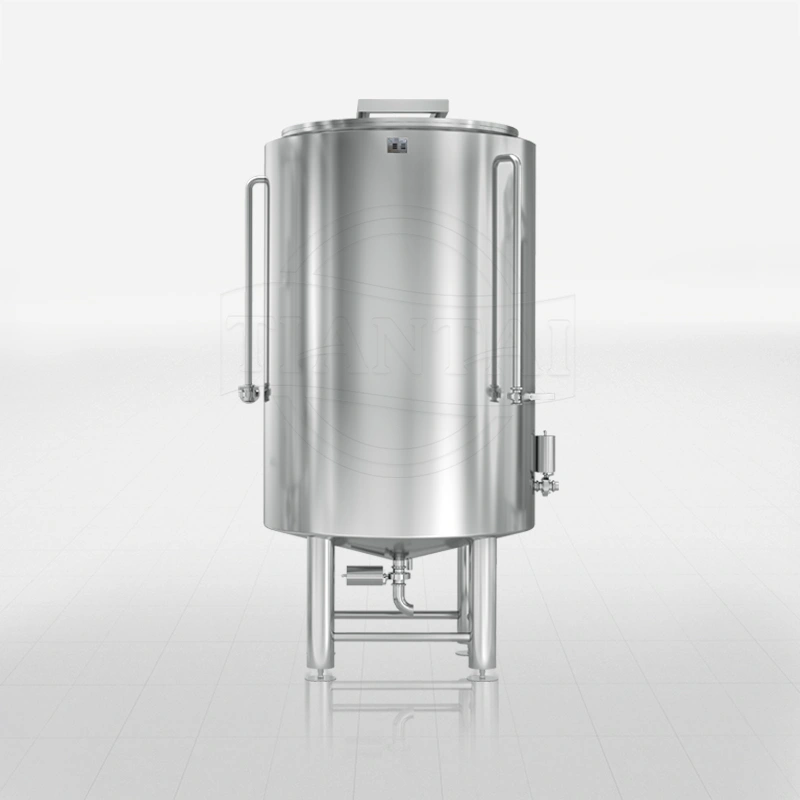
In contrast to warm fermentation, cool fermentation is used primarily for lagers. Lager yeast strains are fermented at cooler temperatures—typically around 10°C (50°F), which is much lower than the temperatures used for warm fermentation. This slow fermentation process results in a clean, crisp beer. After fermentation, lagers are stored for several weeks to months at near-freezing temperatures in a process known as lagering.
During this lagering phase, sulfur compounds that develop during fermentation are allowed to dissipate, giving the beer its characteristic smoothness and clarity. The cool fermentation method is responsible for the light, clean taste that distinguishes lagers from ales, and it is the foundation of many classic beer styles such as Pilsners and Helles.
- Spontaneous Fermentation
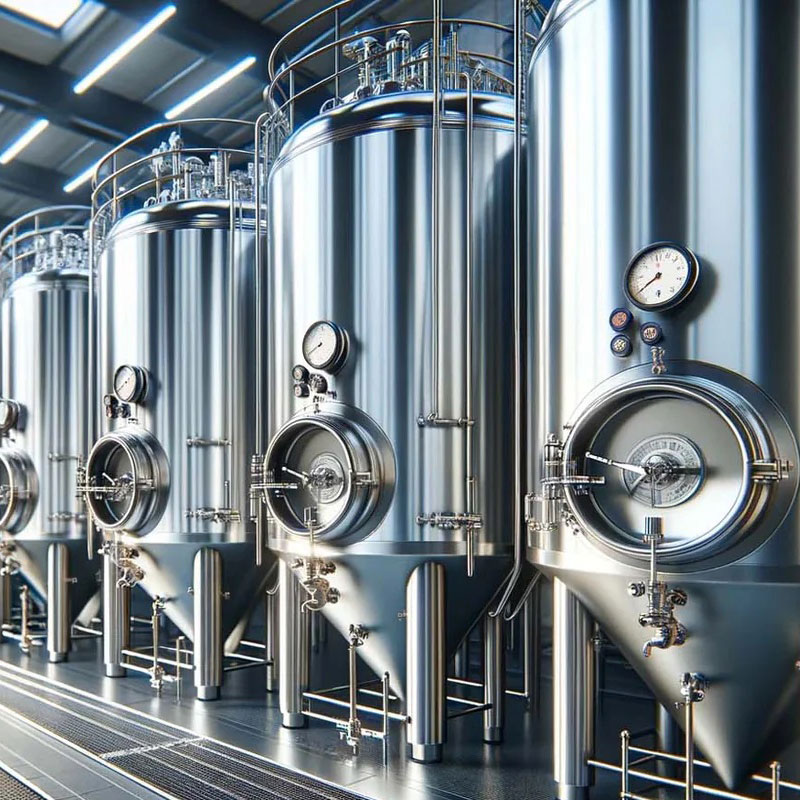
Spontaneous fermentation is a fascinating and ancient method of brewing, often referred to as wild fermentation. This process uses wild yeast and bacteria, rather than cultivated strains, to ferment the beer. One of the most famous examples of spontaneous fermentation is Lambic beer, brewed in the Brussels region and the nearby Pajottenland in Belgium.
To begin the fermentation process, the wort (unfermented beer) is cooled in an open vessel called a Koelschip, which allows wild yeast and bacteria present in the air to inoculate the wort. Afterward, the wort is transferred to oak barrels, where the wild yeast and bacteria ferment the beer over time. The result is a beer that often has complex flavors, including sourness, and a unique profile that is deeply influenced by the microbes in the environment.
Lambic beers, and other beers made using wild fermentation, are known for their tart, funky, and often sour flavor profiles, which come from the activity of the bacteria during fermentation. While most beers are fermented using only yeast, spontaneous fermentation adds an exciting element of unpredictability, as the mix of wild yeasts and bacteria varies from batch to batch, creating a unique flavor every time.
Conclusion
Each fermentation method has a distinct impact on the final beer, from the clean, crisp character of lagers fermented at cool temperatures, to the fruity and complex flavors of warm-fermented ales, and the wild, sour notes of spontaneously fermented Lambics. Understanding these fermentation processes is essential for brewers to craft beers that offer a wide range of flavors and experiences. Whether you’re enjoying a refreshing lager, a spicy saison, or a tangy Lambic, the fermentation method plays a crucial role in shaping the beer you’re drinking.
Thank you very much for your reading.
Helen