Starting a brewery is an exciting journey that combines creativity, craftsmanship, and technical precision. Whether you are planning a small brewpub, a regional craft brewery, or a large-scale production plant, understanding what brewery equipment you need—and why—is essential for building a successful operation.
In this article, TIANTAI will walk you through the key brewery equipment you’ll need for beer production, from raw material handling to packaging, along with tips on how to choose the right configuration for your brewery.
1. Malt Milling System
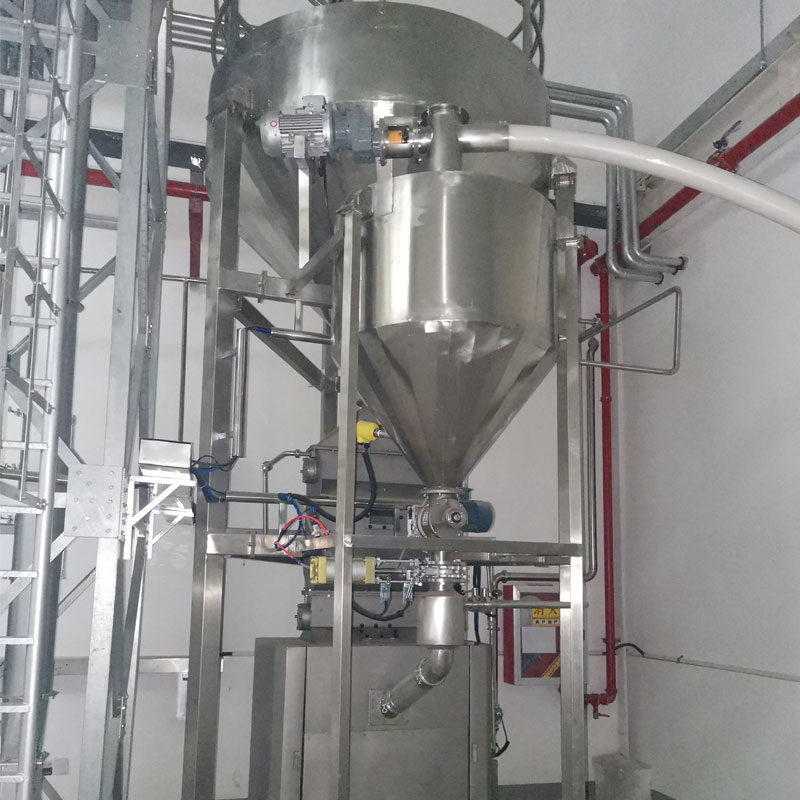
Every great beer starts with well-crushed grain malts. The milling system breaks down malt kernels to expose the starches inside, preparing them for enzymatic conversion during mashing.
Main equipment includes:
①Grain Malt miller (two-roller or four-roller), it can controls the crush size and consistency.
②Grain Malt conveyor or auger: Transfers the milled malt to the mash tun, it’s good to save the labors at brewery.
③Dust collection system: Keeps the milling area clean and safe.
Pro Tip: Choose a malt mill with adjustable rollers to fine-tune your grind for different beer styles.
2. Brewhouse System
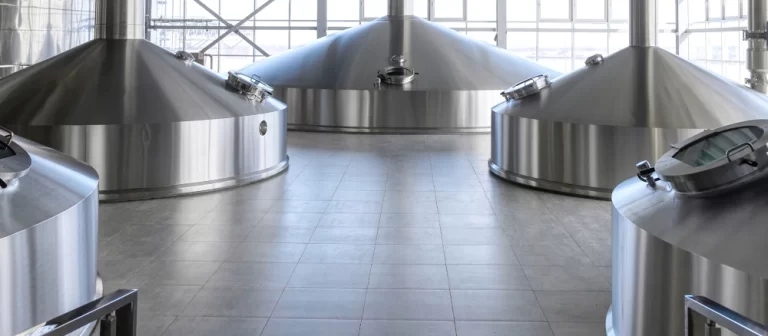
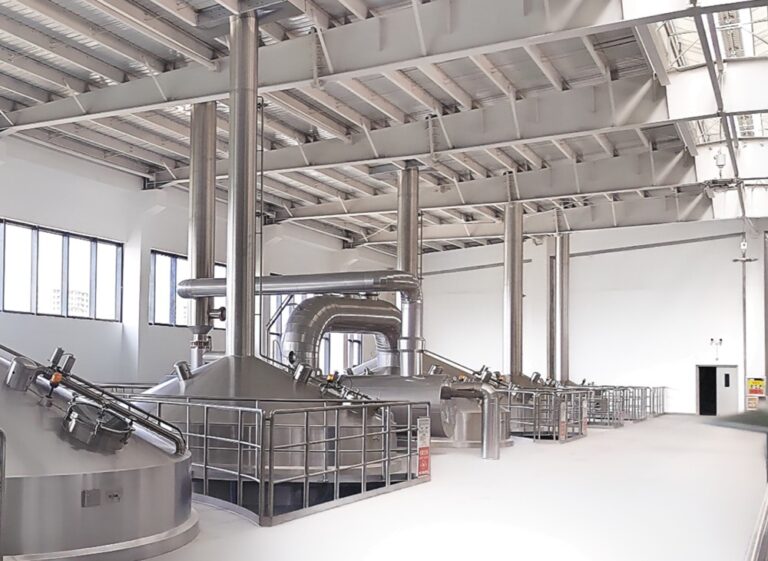
The brewhouse system is the heart of any brewery—the place where malt, water, hops, and heat transform into wort.
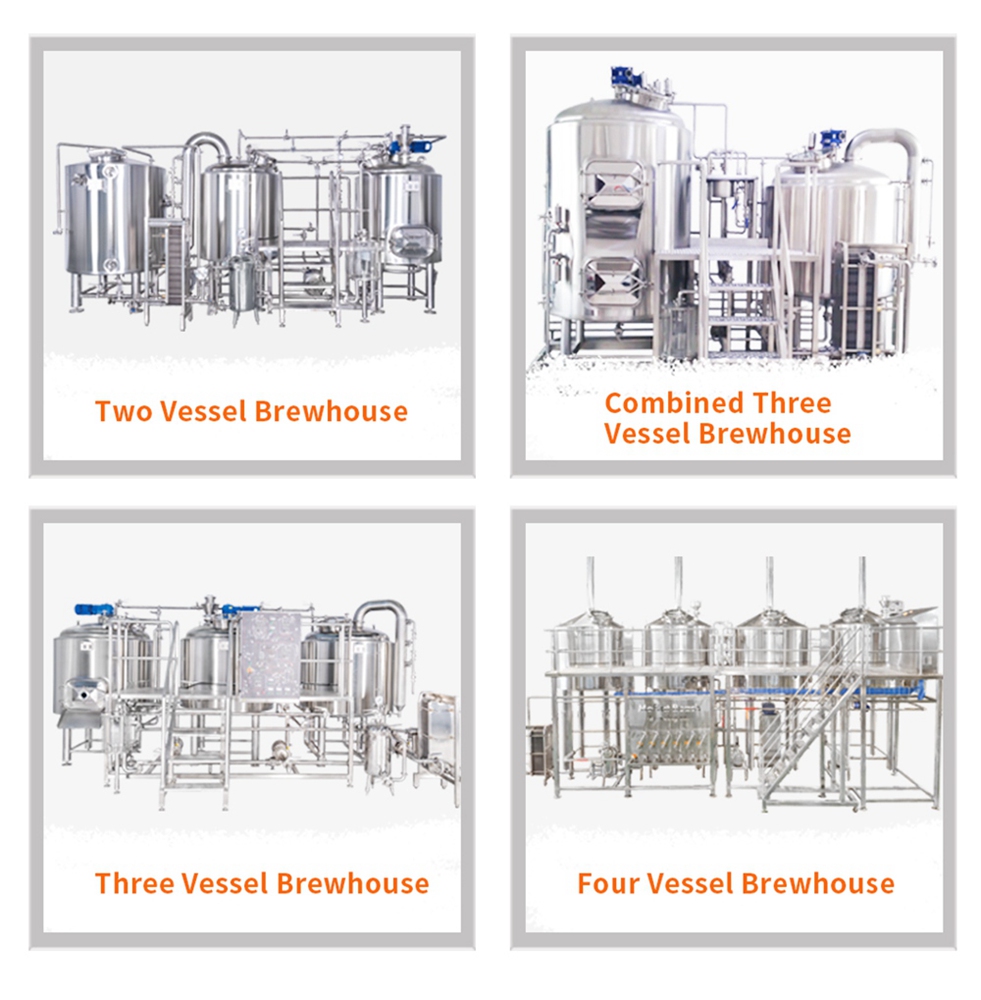
Depending on your production scale and brewing philosophy, a brewhouse may include two to five or six vessels.
Typical brewhouse system is two vessels, including:
Mash/Lauter Tun: Where starch is converted into sugar, and sweet wort is separated from spent grain.
Kettle/Whirlpool: Used for wort boiling, hop addition, and trub separation.
Hot Liquor Tank (HLT): Stores hot water for mashing, sparging and cleaning.
Optional vessels: 3-vessel Brewhouse [Mash Tun+Lauter Tun+ Kettle/Whirlpool Tun], mash mixer and separate Lauter Tun for higher efficiency.
4-Vessel Brewhouse System[Mash Tun+Lauter Tun+ Kettle Tun+ Whirlpool Tun]
5-Vessel Brewhouse System[Mash Tun+Lauter Tun+Buffer tun+ Kettle Tun+ Whirlpool Tun]
6-Vessel Brewhouse System[Mash Tun+Lauter Tun+Buffer tun+ Kettle Tun*2 sets+ Whirlpool Tun]
Cold Liquor Tank (CLT) to improve cooling efficiency.
Pro tip: A 3-vessel or 4-vessel brewhouse is ideal for medium breweries project, 5-vessel or 6-vessel brewhouse is ideal for large breweries that aim for multiple brews per day.
3. Wort Cooling and Aeration System
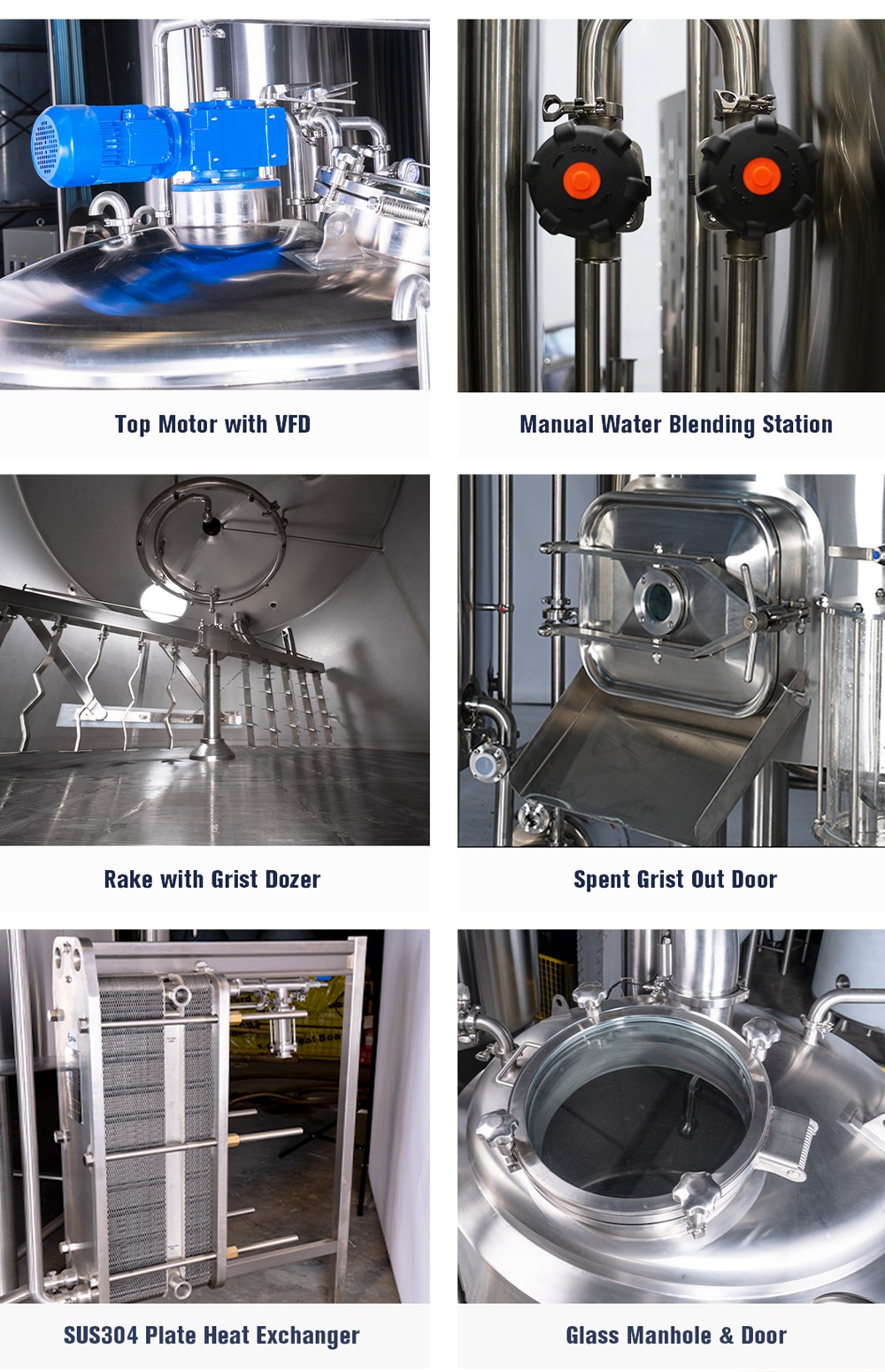
After boiling, the wort must be rapidly cooled to yeast pitching temperature (usually 18–20°C for ales, 8–12°C for lagers).This is achieved using a plate heat exchanger, often paired with glycol and cold water circuits.
Equipment includes: Plate heat exchanger, Wort Cooling Station, Aeration system (oxygen stone)
Wort pump, Flow meter for wort from Heat exchanger to fermentation tanks.
Efficient cooling protects beer quality, minimizes contamination risk, and ensures optimal fermentation performance, so the quality of Plate Heat Exchanger is also very important at brewery.
4. Beer Fermentation System
The fermentation area is where magic happens—yeast converts sugars into alcohol and CO₂, creating beer.
Core equipment:
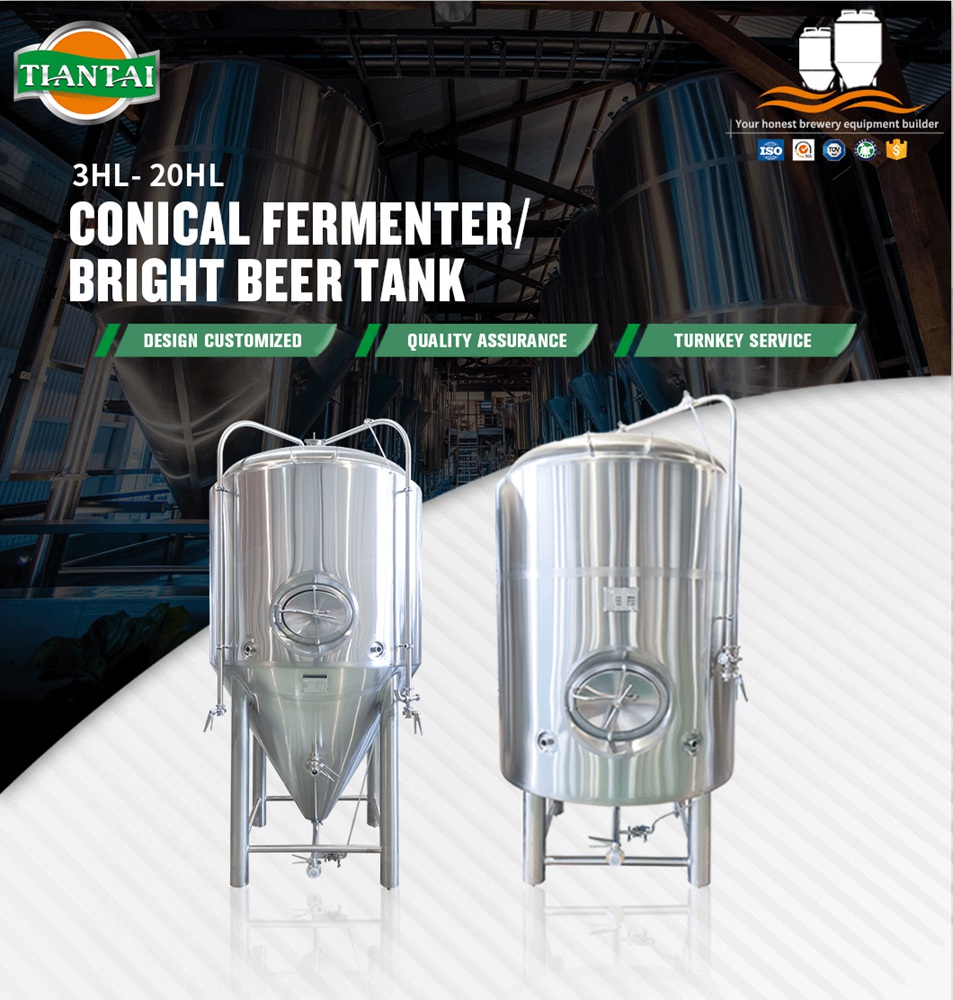
Beer Fermentation tanks (Cylindroconical Tanks – CCTs): Designed with cooling jackets for automatic temperature control, the working pressure usually is 2 bar.
Yeast storage and propagation tanks.
Temperature automatic control system.
Pro Tip:
The polishing accuracy for inside of beer fermenter is very important for beer sanitary. All tanks in TIANTAI company, The Inner Polishing Precision is 0.2- 0.4μm to make sure no dead corner in tanks. All tanks with passivation after polishing to enhance the spontaneous formation of the protective passive film.
5. Maturation & Brite Beer Tanks
After fermentation, beer is conditioned in maturation tanks to develop flavor and clarity.
Finally, it’s transferred to brite beer tanks for carbonation and packaging preparation.
Brite tanks serve as the last vessel before packaging and are often equipped with Sight glass, CIP spray ball, Cooling jackets, Pressure control valves.
Pro Tip: To save costs, some small brewpubs, breweries will ass carbonation stone for beer fermentor, so you also can fill CO2 into fermenter to replace the brite tank function.
6. Cooling & Glycol System
Maintaining precise temperature control is crucial for consistent beer quality.
A glycol chiller system circulates chilled glycol through jackets on fermenters, brite tanks, and heat exchangers.
System includes: Glycol chiller, Glycol Water Tank, Cold Water Tank, Insulated pipelines, glycol water solenoid valves and pumps
Pro Tip: Oversize your glycol system slightly if you plan to expand production in the future.
7. CIP (Cleaning-in-Place) System
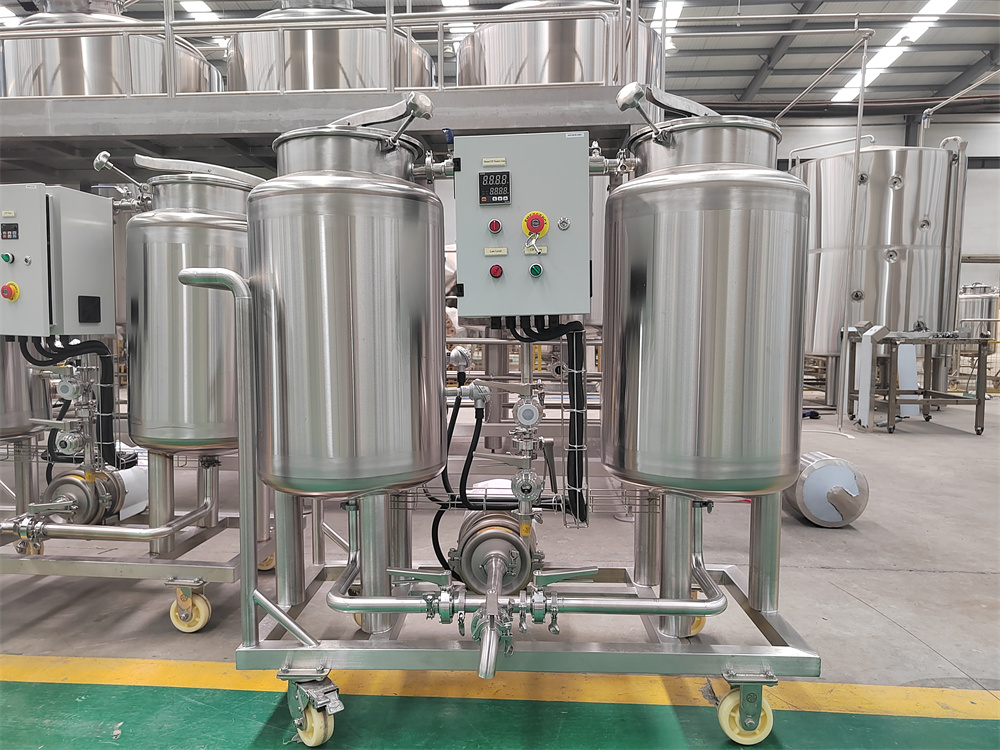
Cleanliness is non-negotiable in brewing. A CIP system allows you to clean tanks and pipelines without disassembly, saving time and ensuring hygiene.
CIP system components:Hot water tank, Caustic tank and acid tank, Sanitizing solution tank, CIP pump and control valves.
Automatic or semi-automatic CIP systems improve efficiency and reduce chemical use.
Small brewpub or breweries can consider portable CIP pump or CIP cart.
8. Brewery Control System
Automation enhances consistency and efficiency in modern breweries.
Control panels can range from manual valve operation to fully automated PLC + HMI systems.
Control options:
Manual brewhouse: Ideal for brewpubs and pilot systems.
Semi-automatic: Combines manual valves with digital monitoring.
Fully automatic PLC control: Precise recipe management, repeatability, and energy savings.
9. Brewery Packaging System
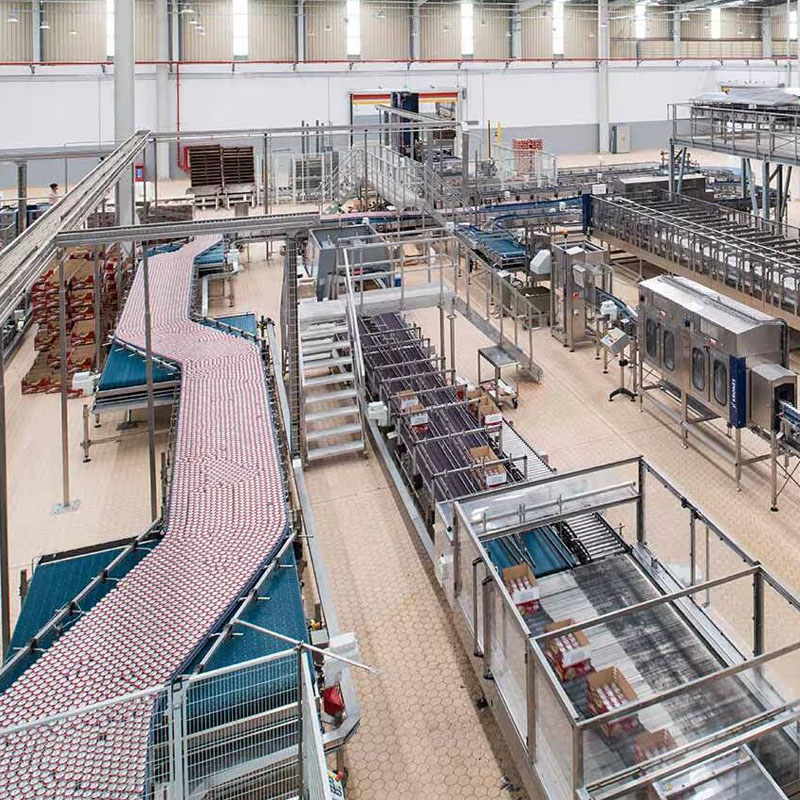
Once beer is ready, it must be packaged properly to maintain freshness and quality.
Your packaging equipment will depend on whether you choose kegs, bottles, or cans.
Packaging equipment includes:
Keg washer and filler
Beer bottling line
Can filling and seaming machine
Labeling and date coding system
For smaller breweries, compact and semi-automatic fillers are practical and cost-effective.
10. Brewery Auxiliary Systems
Several supporting systems are often overlooked but are vital to smooth brewery operation:
Steam boiler or electric heating system (for brewhouse heating)
Air compressor and CO₂ supply system
Water treatment system (RO + filtration)
Grain handling and waste management system

Building a brewery is not just about buying tanks—it’s about integrating a complete, efficient, and hygienic system that fits your brewing goals and capacity.
Whether you’re producing 100L per batch or 50,000L per day, the design and layout of your equipment will directly impact your beer quality and operating cost.
If you’re ready to take the next step in your brewery project, TIANTAI Brewing Equipment offers customized brewhouse systems and turnkey solutions—from design, manufacturing, and installation to after-sales support.
Your dream brewery starts with the right equipment—and the right partner.
Edited By Daisy Cai: [email protected]