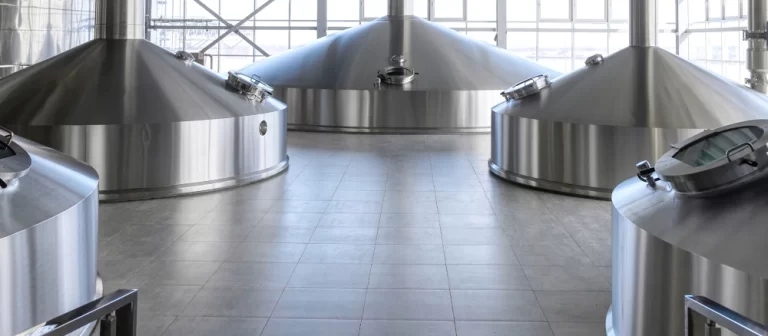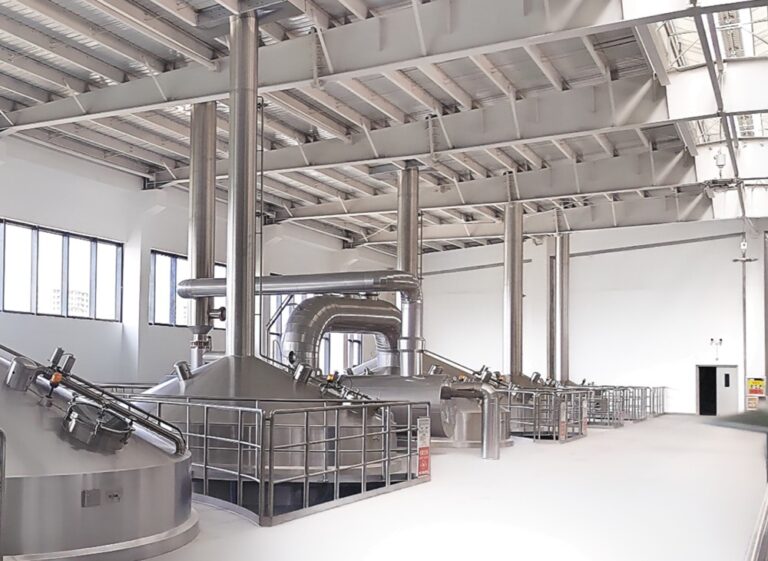
Firstly, let’s learn more about cold coffee extraction brewing. Here is a brief history of Cold Brew.
The earliest form of cold brew was essentially a cold pour-over. Dutch traders developed a method where water would slowly drip through ground coffee over several hours, creating a cold, concentrated brew that was ideal for storing during long ocean voyages.
I’m guessing they prepped their cold brew before setting sail, because making coffee at sea sounds like anything but smooth sailing. (Yeah, I went there. No regrets!)
This style of coffee traveled the globe, but it really found its home in Japan sometime between the 15th and 16th centuries.
These slow-drip cold brewers are still out there today, now known as cold drip, Dutch drip, or Kyoto-style coffee makers.
What about the cold brew most of us know and love today? Say hello to immersion-style cold brewing. It was pioneered with the Toddy Cold Brew system, invented in the mid-1960s by Todd Simpson, a Cornell chemical engineering student. Todd had tried cold brew in Peru and decided to design a simple, foolproof way to make it at home.
What’s the Benefits of Cold Brew Coffee?
There are a few things about cold brew that might surprise you:
Cold brew has a completely different flavor profile compared to any hot brewed coffee;
When made well, cold brew tastes less bitter than most hot brew methods;
It’s smoother and less acidic than most hot-brewed coffee;
It’s actually lower in acidity (pH), not just in taste;
Cold brew is surprisingly versatile and practical.
If you’ve ever thought, “Why would I want to drink coffee cold?” you’re probably missing the point of cold brew. Trust me, I used to think the same thing, and that’s just confusing cold brew with iced coffee.
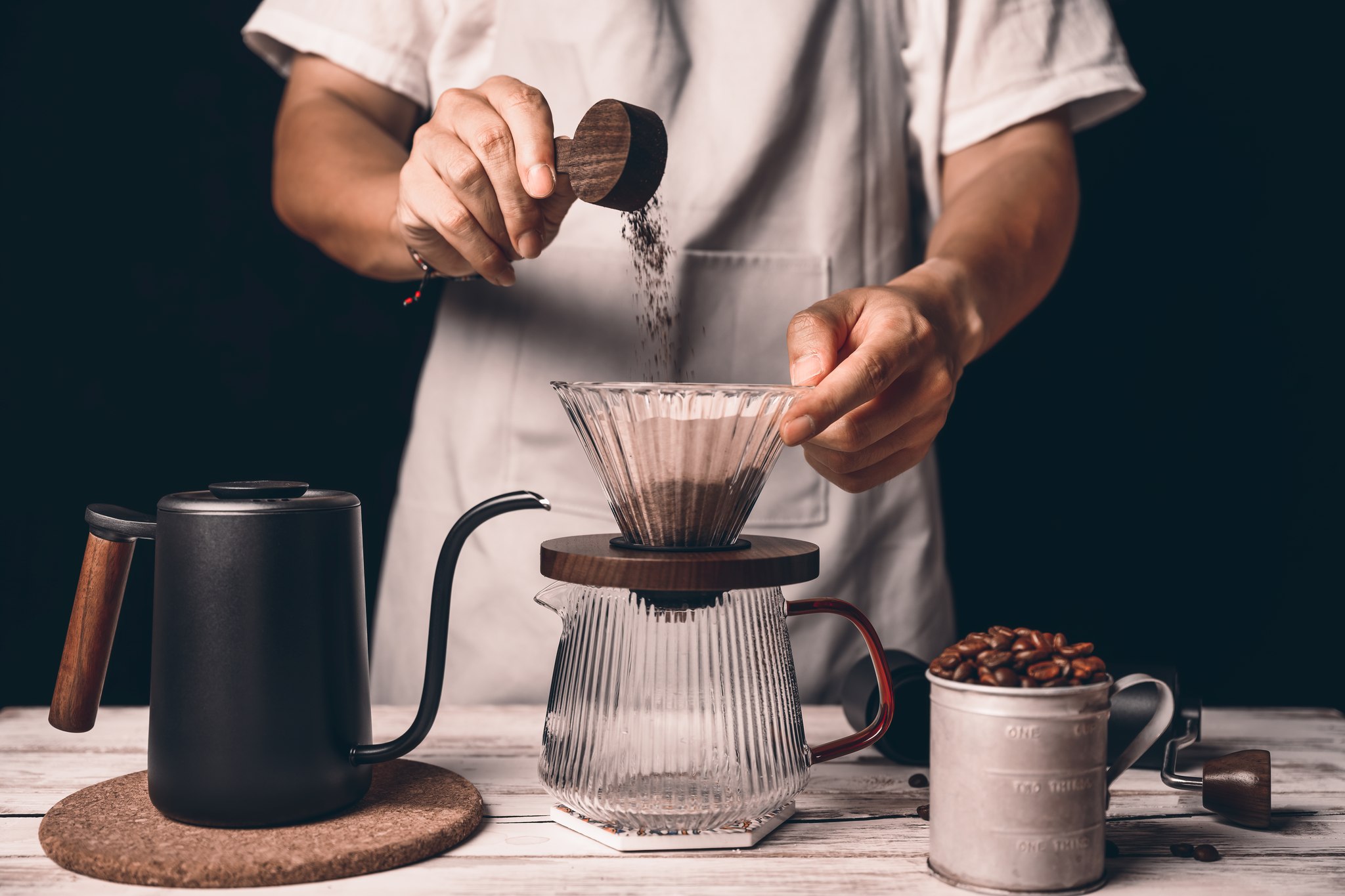
Here’s the real point: cold brew tastes different and has some serious benefits, all because of how it’s brewed. The biggest perk? That unique taste. I’m not saying cold brew is “better,” but it is a totally different experience.
Think of it like this: picture a sound equalizer, with booming bass on one end and piercing treble on the other. Cold brew is like the smooth, balanced middle, no sharp highs or rumbling lows.
Fun fact: You can drink cold brew hot, and plenty of people do. In fact, concentrated cold brew is the ultimate “instant coffee” hack.
Many people keep a batch of cold brew concentrate in the fridge for a week or two, then simply add hot water or hot milk whenever they need a quick, high-quality coffee. It’s seriously easy and tasty.
So cold coffee, especially cold brew has become one of the fastest-growing beverage categories worldwide. From cafés to large scale beverage companies, manufacturers are introducing ready-to-drink (RTD) cold brew cans, bottled cold coffee, nitro cold brew, and flavored cold brew beverages. As consumer demand rises, businesses are shifting from small improvised brewing setups to professional cold coffee brewing equipment that delivers consistency, safety, scalability, and quality.
If you are planning to enter the cold coffee market or expand your current production line, understanding the full equipment list is essential. This blog will give you a comprehensive, detailed guide on all the equipment needed to make cold coffee at commercial scale from bean preparation to extraction, filtration, cooling, storage, and packaging.
This article is based on standard configurations used in modern beverage factories and equipment manufacturers such as Tiantai, a well-known producer of cold brew and brewery systems.
1. Understanding the Basics of Cold Coffee Production
Before diving into the equipment list, it is important to understand what makes cold brew different from hot coffee.
Cold coffee (cold brew) is produced by steeping ground coffee in cold water typically between 4°C and 8°C (39–46°F) for 10 to 24 hours. This slow, low-temperature extraction produces Low acidity, Smooth flavor, Naturally sweet taste, High stability, Less bitterness.
To achieve this consistently at scale, specialized equipment is required to control Temperature, Extraction time, Sanitation, Filtration, Storage conditions.
Unlike home cold brew, commercial cold coffee must be produced with strict hygiene, traceability, and consistent flavor profile. This is why manual tanks or plastic containers are not suitable the system must be industrial, food-safe, and efficient.
Let’s explore each part of that system.
2. Essential Equipment Needed to Make Cold Coffee
Commercial cold coffee production involves the following key equipment sections:
▪Coffee preparation tools
▪Extraction system
▪Cooling system
▪Filtration system
▪Storage and blending tanks
▪CIP cleaning equipment
▪Packaging line
Below, each section is explained in full detail.

3. Coffee Preparation Equipment
Cold coffee quality begins long before extraction. Proper grinding and handling of coffee beans determine flavor consistency and brewing efficiency. The key equipment includes:
3.1 Coffee Grinder (Industrial Burr Grinder)
A commercial grinder is essential to produce consistent grind size, one of the most important factors for extraction quality.
Why grind size matters?
Too fine → over-extraction, bitterness, clogged filters.
Too coarse → weak flavor, under-extraction.
Recommended specifications: Grind range 800–1200 microns, Burr type with Flat or conical burrs, Capacity 20–500 kg/hr, depending on plant scale.
Material: Stainless steel food-grade contact parts.
Purpose: Ensures every batch of cold coffee receives the same extraction potential.
3.2 Weighing and Batching System
To create consistent recipes for cold brew concentrate or RTD (ready-to-drink), accurate batching is needed.
Includes: Electronic weighing scales, Ingredient measuring tools, Batch tracking log system
Accurate batching contributes to repeatability and controlled extraction strength.
4. Cold Brew Extraction Equipment
This is the core of a cold coffee plant. Extraction tanks designed specifically for cold brew ensure:
▪Sanitary operation
▪Controlled low-temperature brewing
▪Efficient loading and unloading
▪Good flavor consistency
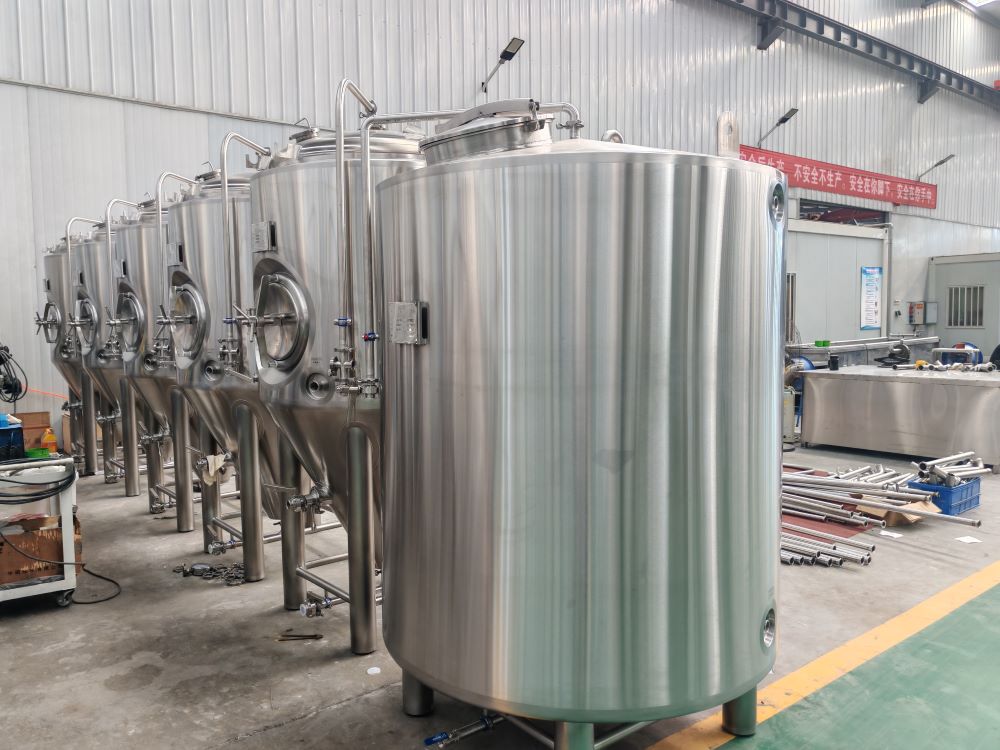
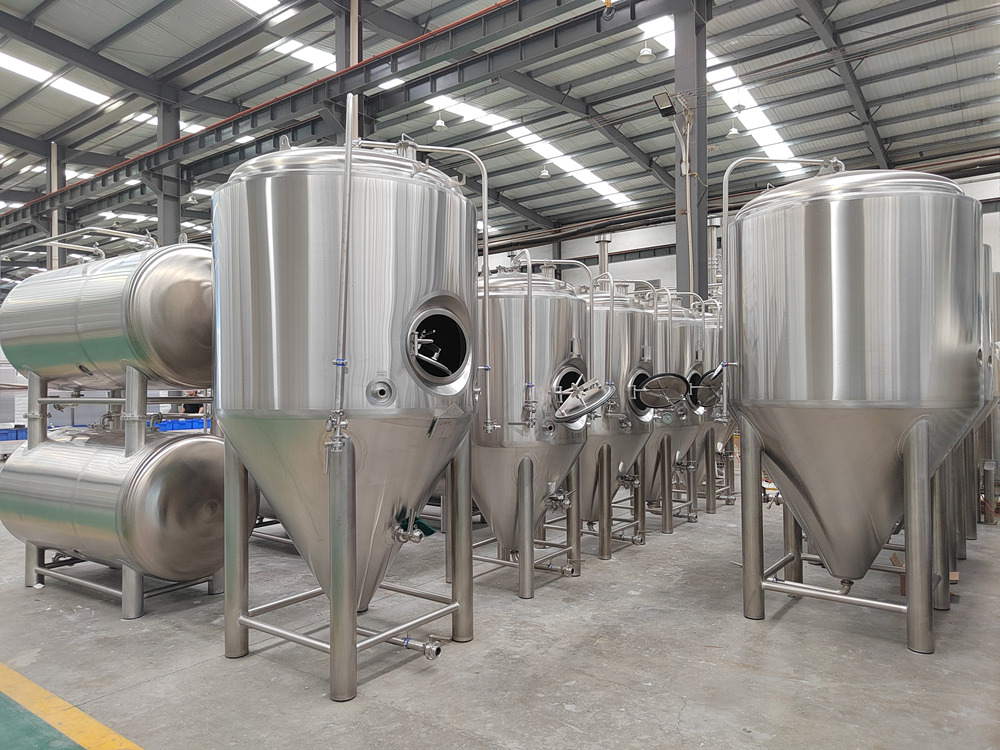
4.1 Cold Brew Extraction Tank
This is the heart of the cold coffee equipment lineup. A typical Tiantai extraction tank includes Key features: Jacketed tank for cooling, Stainless steel 304/316 construction, Sanitary internal polish (0.4–0.6 μm Ra), Top-mounted or side-mounted manway, Tri-clamp ports, Optional agitation system, Integrated filter basket or mesh bag.
Sizes available:
▪100 L pilot systems
▪500 L to 2,000 L craft production
▪3,000 L to 10,000 L industrial systems
Why this tank is essential?
Cold coffee requires 10–18 hours of controlled-temperature extraction. A proper tank ensures No contamination, No temperature fluctuations, No oxygen exposure, Easy filtration, Repeatable results.
This is the single most important piece of equipment in the entire cold brew system.
4.2 Internal Coffee Filter Basket
Instead of letting coffee grounds float freely in the tank, modern extraction systems use:
▪Stainless-steel filter baskets
▪Mesh extraction bags
▪Perforated chambers
The Benefits are Faster cleaning, Easier coffee removal, No clogging, Higher filtration efficiency.
4.3 Agitation System (Optional but Recommended)
Some extraction tanks include slow-speed agitators. Why? Because Enhances extraction, Reduces brewing time, Improves uniformity, Agitation type, Paddle agitator, Slow stir (5–20 rpm), Avoid high-speed agitation, which causes bitterness.
5. Cooling System
Cold brew must be extracted at low temperatures to preserve freshness and prevent microbial growth. Therefore, a cooling system is essential.
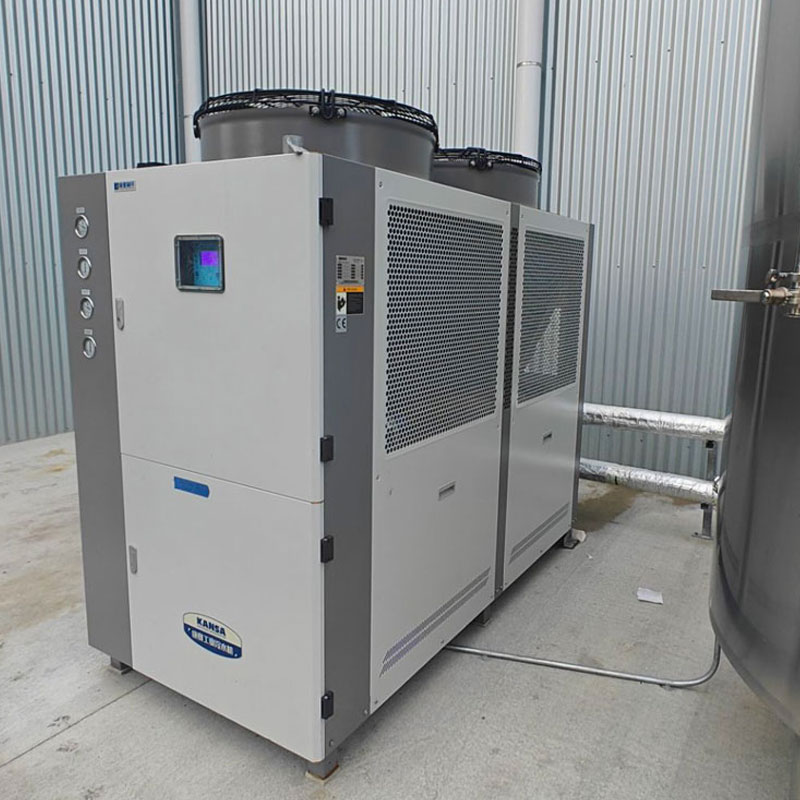
5.1 Glycol Chiller Unit
This provides cold glycol water to the jacketed extraction tank.
Typical specifications are cooling temperature -5°C to +5°C, Power range 3 kW to 50+ kW.
Including Condenser, Evaporator, Glycol tank, Circulation pump.
The purpose is t0 maintain consistent low brewing temperatures for long periods.
5.2 Ice Water Unit (Alternative to Glycol)
For smaller production or cost-sensitive setups.
The benefits are Lower capital cost, Works for small-scale tanks, Limitations, Less precise temperature control, Less efficient for long brewing cycles
6. Filtration System
Filtration is one of the most important, and often overlooked parts of cold coffee production. Without proper filtration, cold brew becomes unstable, cloudy, or may ferment.
A professional cold brew system includes several stages of filtration.
6.1 Bag Filter (Coarse Filtration)
This removes large particles after extraction. Typical bag ratings: 50 μm, 100 μm, 200 μm
The purpose is to prevent clogging of finer filters, reduce sediment.
6.2 Plate and Frame Filter (Fine Filtration)
Plate filters use replaceable filter sheets. Filtration range: 1–25 microns
The Purpose is to improve clarity, remove small coffee fines, extend shelf life.
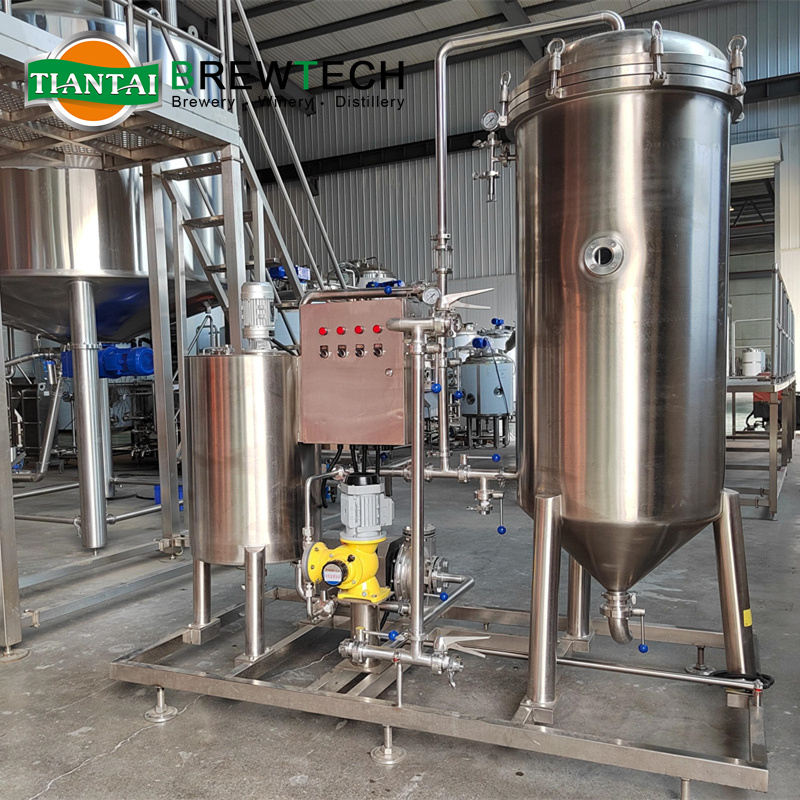
6.3 DE (Diatomaceous Earth) Filter
Used in medium-to-large-scale cold brew plants.
The benefits are Very fine polishing, Crystal-clear cold brew, High flow rate.
6.4 Cartridge Filter (Polishing Filtration)
Optional for RTD cold brew. The specification is 0.2–1 micron cartridges.
The purposes are achieving near-sterile filtration, improving shelf stability, preventing sediment formation.
7. Storage and Processing Equipment
After filtration, cold brew must be stored at low temperature until packaging.
7.1 Cold Brew Holding Tank, a dedicated chilled tank to store filtered coffee. Keeps cold brew fresh and stable before packaging.
Requirements:Food grade stainless steel materials, Double-jacket cooling, Sanitary design, CO₂ or nitrogen blanketing (optional), CIP spray ball, Level control.
7.2 Blending Tank (Optional), Used when preparing flavored cold coffee, milk-based drinks, or RTD products.
Features: Agitator, Heating/cooling jacket, Recipe control
Used for Dilution, Sweetener mixing, Flavor blending, Oat milk or dairy mixing
7.3 Nitro Infusion System
For nitro cold brew production.Including Nitrogen generator or cylinders, Infusion tank, Carb stone or injector.
Creates:Creamy texture, Cascading effect, Unique mouthfeel.
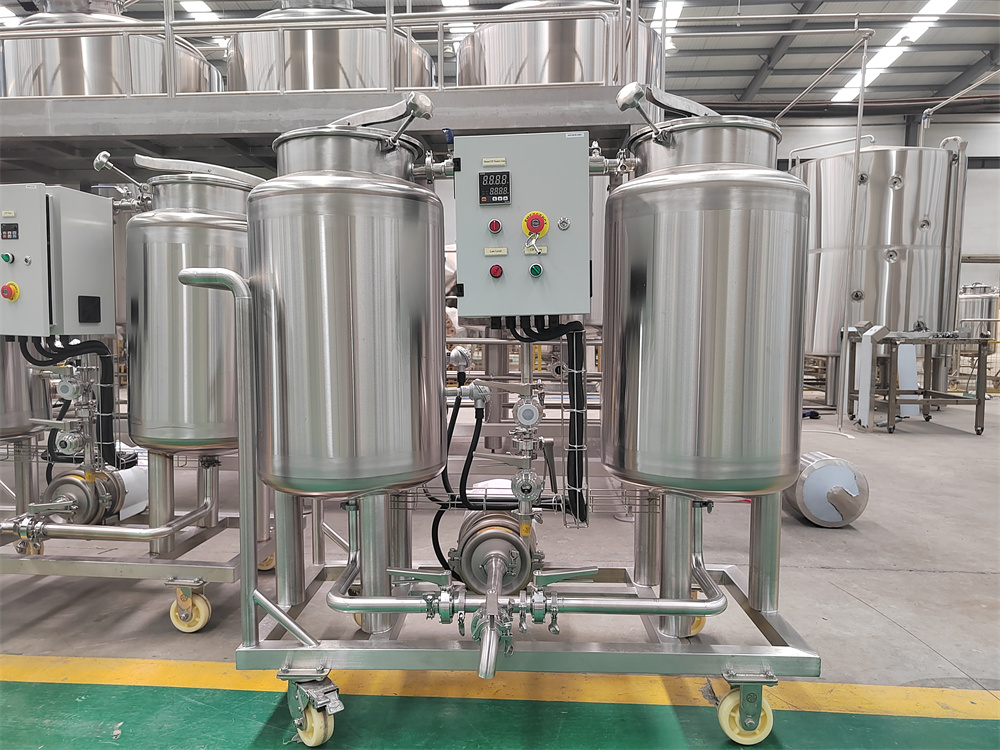
8. CIP (Cleaning-in-Place) System
Sanitation is absolutely essential. Cold brew is highly sensitive to microbes, so proper CIP is non-negotiable. Guarantees hygiene and compliance with food safety standards.
A standard CIP system including CIP Tanks like Hot water tank, Caustic tank, Acid tank, Rinse water tank, Chemicals used, Caustic soda (1–2%), Acid cleaners, Peracetic acid sanitizer; CIP Pump,providing high-pressure cleaning through spray balls; Spray Balls and CIP Lines.
Installed in: Extraction tanks, Holding tanks, Piping, Filters
9. Packaging Equipment
Once cold brew is ready, you need proper equipment to package it.
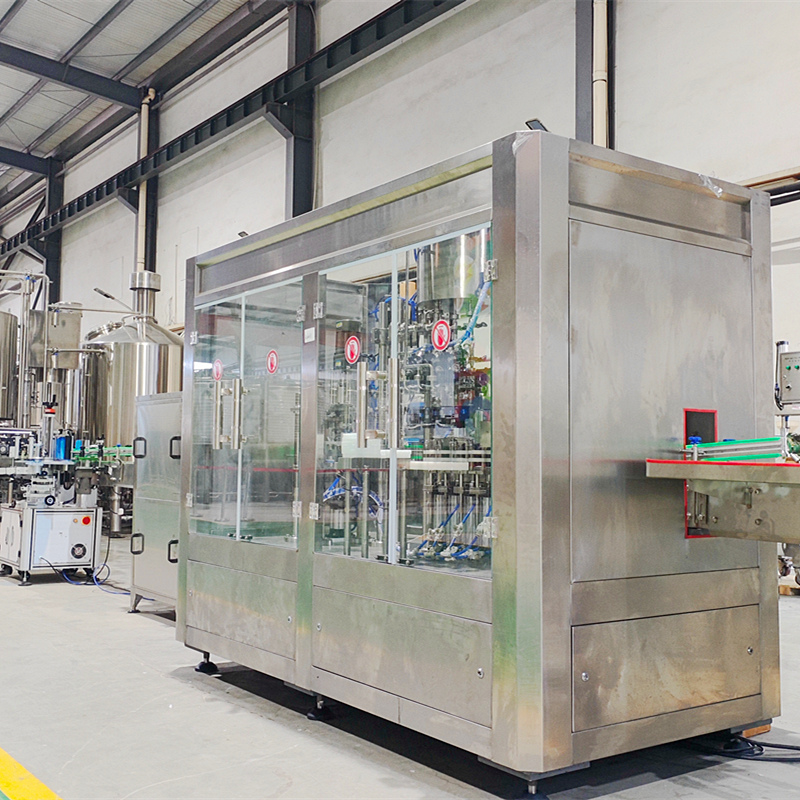
9.1 Bottling Line
For glass or PET bottles. Including Bottle washer, Filler, Capper, Labeler, Conveyor.
9.2 Canning Line
If producing cold brew in aluminum cans. The benefits are Lightweight, Modern look, Shelf-stable, Great for nitro cold brew.
9.3 Kegging System. For cafés and draft cold brew dispensers.
There is the following options: Corny kegs, Sankey kegs, Mini kegs.
9.4 Aseptic Filling System (High-End). For long shelf-life cold brew without preservatives.
10. Additional Supporting Equipment
A complete cold brew facility may also need: Water filtration system, Air compressor, RO water treatment, Pumps and valves, Piping, Flow meters, Cooling tower (for large chillers), Factory layout and platform structures.
11. Equipment Summary Table
Below is a quick summary of the equipment categories.
Category Equipment
Coffee Prep Grinder, weighing system
Extraction Extraction tank, filter basket, agitator
Cooling Glycol chiller, pipes, insulation
Filtration Bag filter, plate filter, DE filter, cartridge filter
Storage Chilled holding tank, blending tank
Sanitation CIP system, spray balls
Packaging Bottling line, canning line, kegging line
Optional Nitro system, flavor dosing tank
| Category | Equipment |
| Coffee Prep | Grinder, weighing system |
| Extraction | Extraction tank, filter basket, agitator |
| Cooling | Glycol chiller, pipes, insulation |
| Filtration | Bag filter, plate filter, DE filter, cartridge filter |
| Storage | Chilled holding tank, blending tank |
| Sanitation | CIP system, spray balls |
| Packaging | Bottling line, canning line, kegging line |
| Optional | Nitro system, flavor dosing tank |
12. Final Thoughts: Building a Professional Cold Coffee Production Line
Cold coffee production is simple in concept—just coffee and water—but mastering it at commercial scale requires a complete and carefully designed equipment system.
To produce consistent, clean, safe, and high-quality cold brew, you need controlled extraction, low-temperature brewing, effective filtration, hygienic tanks, continuous cooling, clean-in-place sanitation, appropriate packaging.
A manufacturer like Tiantai offers turnkey solutions that integrate all these components into a cohesive, efficient, and scalable production line.
Whether you’re producing Cold brew concentrate, RTD cold coffee, Nitro cold brew, Flavored cold brew, Coffee-milk beverages…the right equipment will determine your production efficiency, shelf life, product quality, and profitability. Tiantai company can provide you professional and high quality brewing system with professional technical support.
Edited By Daisy Cai
[email protected]