In the world of beer production, much attention is often given to hops, yeast, and malt. However, an equally important component of brewing, yet sometimes overlooked, is wort—especially weak wort, which plays a significant role in both the brewing process and resource efficiency in breweries.
What is Wort?
Wort is the sweet, liquid extract derived from malted grains during the mashing process. In simple terms, it is the sugar-rich liquid that provides the essential nutrients for yeast during fermentation. When malted grains, primarily barley, are soaked and heated in water, enzymes break down starches into fermentable sugars, creating wort. Depending on the concentration of these sugars, wort can be classified as strong or weak.
Weak wort refers to wort with a lower concentration of dissolved sugars. While strong wort is typically directed towards primary beer production, weak wort has several practical uses that make it an essential part of brewery operations.
Production of Weak Wort
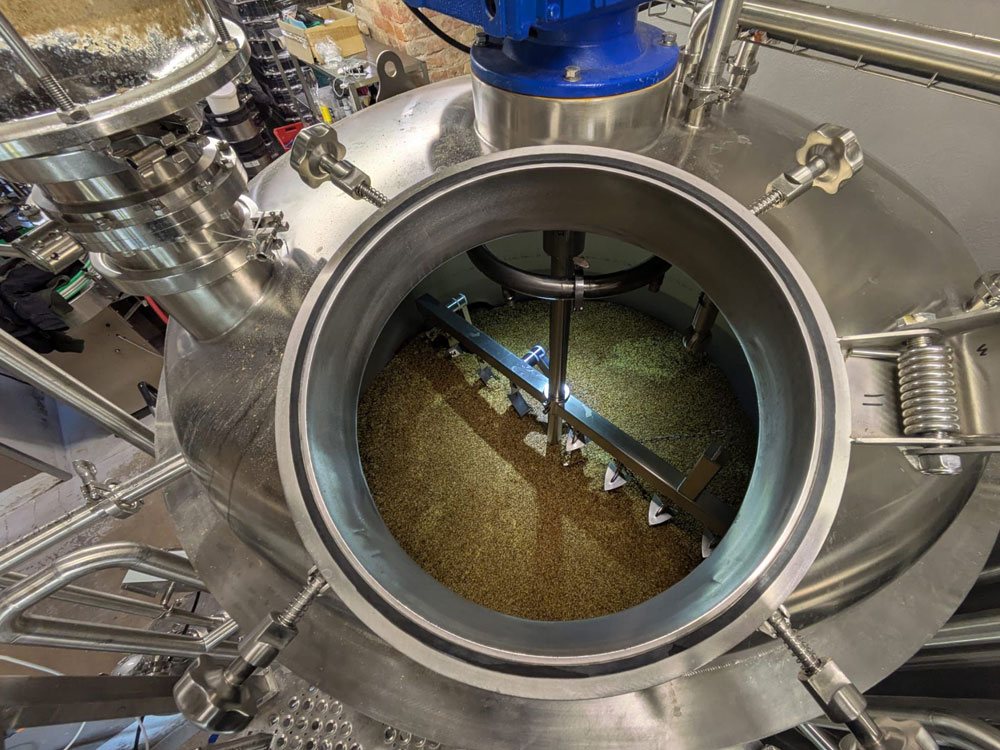
Weak wort is usually a byproduct of the mashing and lautering processes. After the first extraction, which produces strong wort, the residual grains still contain some soluble sugars. By sparging the grains with additional water, breweries extract this remaining sugar content, resulting in a weaker solution—hence, weak wort. The sugar content of weak wort is generally around 2–5° Plato, significantly lower than the strong wort used for fermentation.
The production of weak wort is not accidental; it is a calculated step in maximizing resource utilization. Modern breweries aim to extract as much fermentable material as possible from malt while maintaining process efficiency.
Utilization of Weak Wort in Breweries
1.Yeast Propagation and Starter Cultures
One of the primary uses of weak wort is for yeast propagation. Breweries often require active and healthy yeast cultures for consistent fermentation. Weak wort serves as an ideal medium for preparing yeast starters, as its lower sugar concentration prevents overactive fermentation and promotes gradual growth. This ensures that yeast cells multiply efficiently without the risk of stress or off-flavor production.
2.Adjunct Fermentation or Secondary Beer Production
In some breweries, weak wort is used for producing adjunct beers or low-alcohol beers. Since its sugar content is lower, fermentation of weak wort results in beers with a lower alcohol by volume (ABV). This is especially popular in markets where light beers are in demand. Additionally, blending weak wort with stronger wort can help control the final gravity and body of certain beer styles, providing brewers with flexibility in recipe formulation.
3.Distillation and Spirit Production
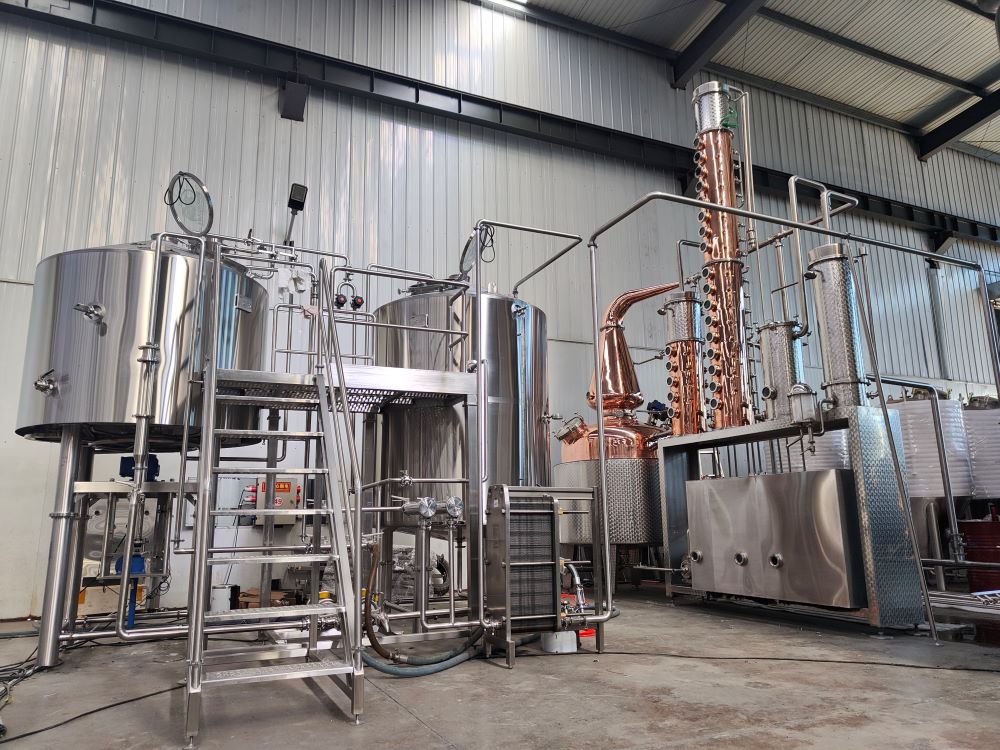
Beyond beer, weak wort can also be directed to distilleries for ethanol production. Since it still contains fermentable sugars, it can be an inexpensive feedstock for creating neutral spirits or other distilled beverages. This not only improves brewery efficiency but also diversifies the use of raw materials.
4.Animal Feed and Bioproducts
After fermentation, both spent grains and weak wort can be repurposed as animal feed. The residual nutrients, including proteins and sugars, are valuable for livestock nutrition. In some regions, breweries collaborate with local farmers, converting weak wort into feed supplements, reducing waste, and supporting sustainable operations.
Additionally, innovative breweries are exploring the use of weak wort in bioproducts, such as bioethanol for energy or organic fertilizers, highlighting its potential beyond traditional brewing.
5.Process Optimization and Energy Efficiency
Using weak wort wisely can also contribute to energy efficiency. By recirculating weak wort in certain brewing steps, breweries can reduce water and energy consumption. For instance, it can be used in mashing-in procedures or as a pre-heating medium for strong wort, ensuring more sustainable operations.
Challenges in Utilizing Weak Wort
While weak wort has many applications, it also presents some challenges. Its lower sugar content makes it more susceptible to microbial contamination, so proper handling and storage are essential. Breweries must maintain hygiene standards to prevent spoilage before its intended use.
Another challenge is consistent quality. Since weak wort is a byproduct, its sugar concentration can vary depending on the efficiency of the first wort extraction. Advanced breweries often monitor weak wort using refractometers or density meters to standardize its use.
Weak wort, although sometimes overlooked, is a valuable resource in modern breweries. From yeast propagation to low-alcohol beer production, and even as a raw material for animal feed or bio-products, it exemplifies the brewery’s commitment to efficiency, sustainability, and creativity. By understanding and utilizing weak wort effectively, breweries not only maximize the value of their raw materials but also contribute to a more sustainable brewing industry.
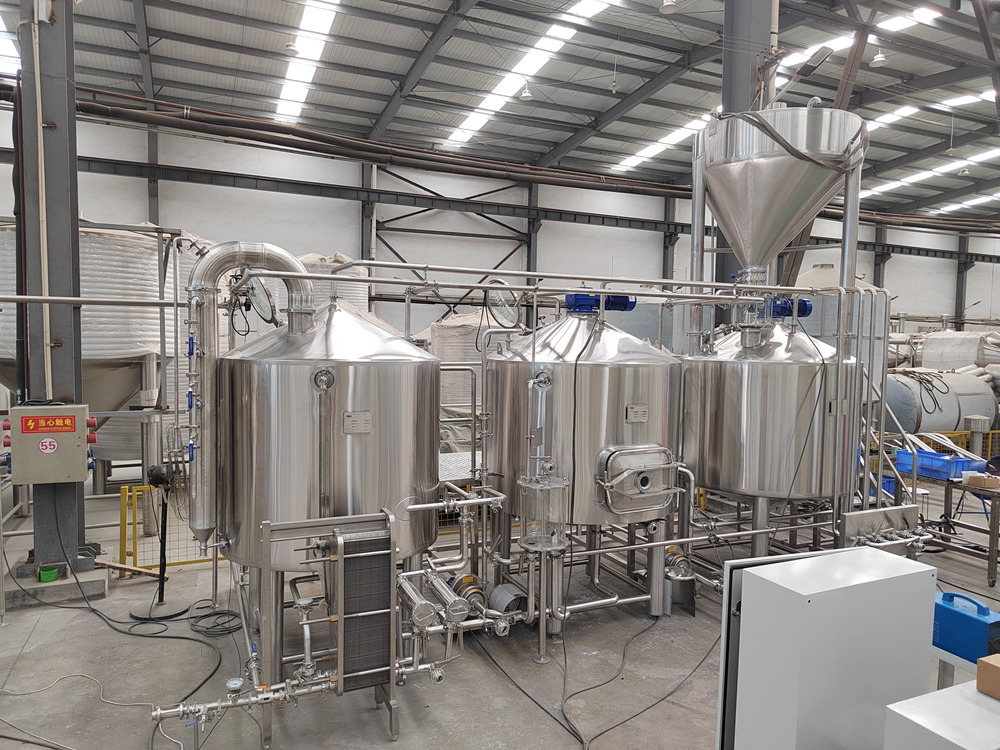
For brewers and beer enthusiasts alike, recognizing the role of weak wort highlights the intricacies behind every pint of beer and the thoughtful processes that transform humble grains into liquid gold.
Edited By Daisy
[email protected]