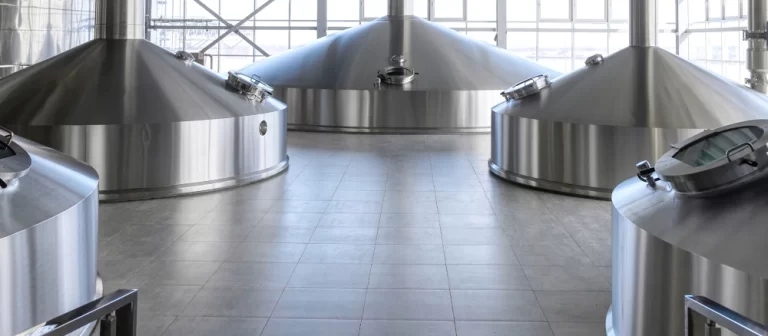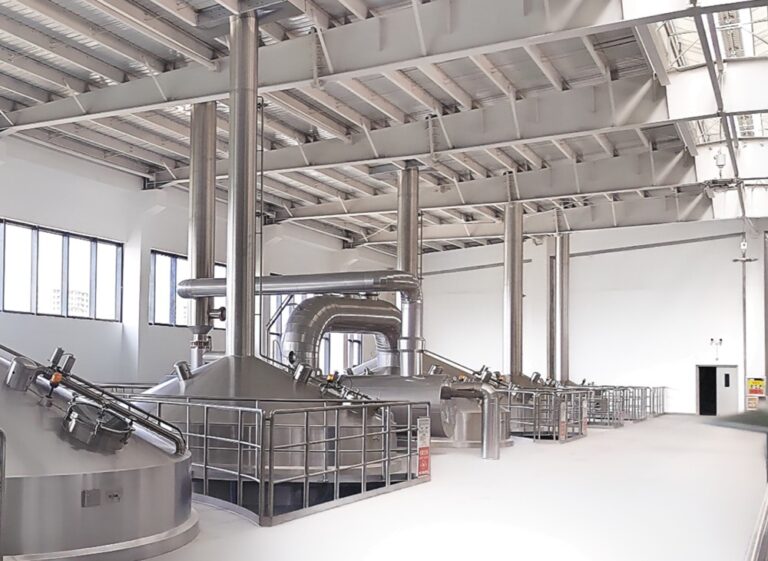
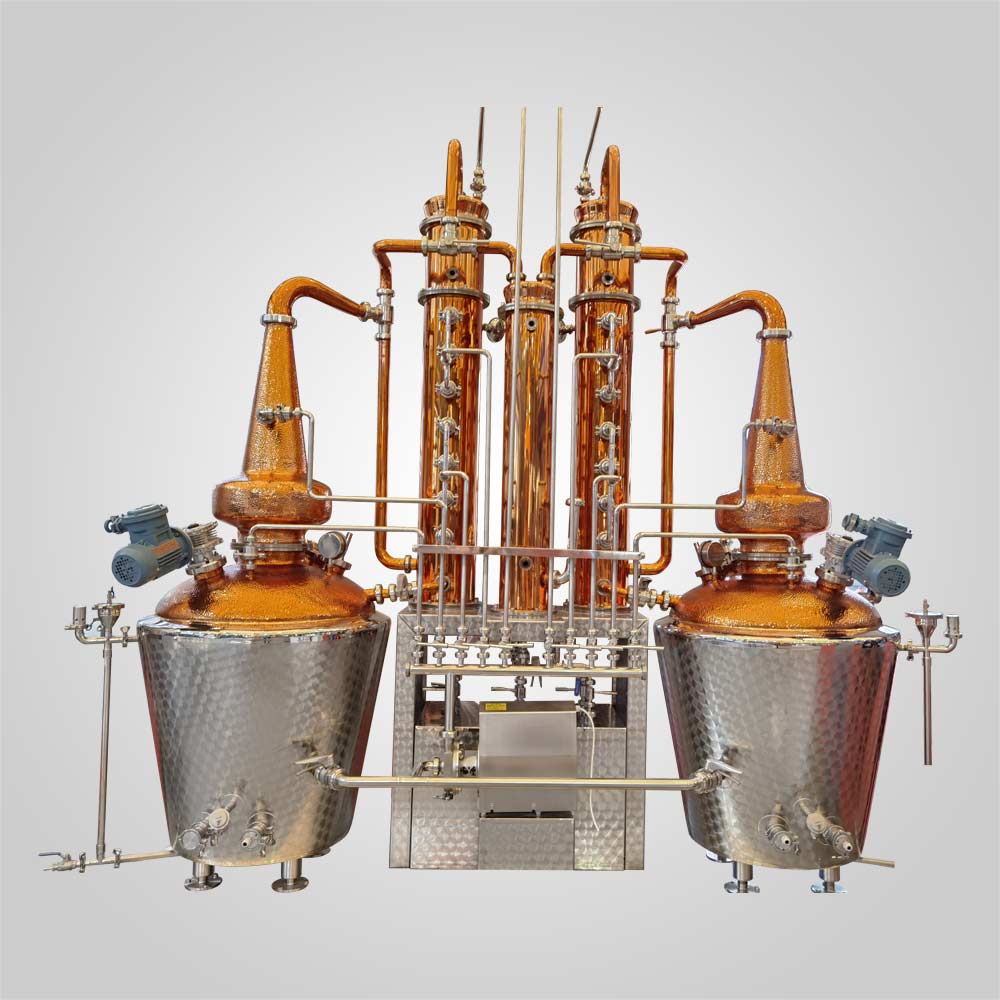
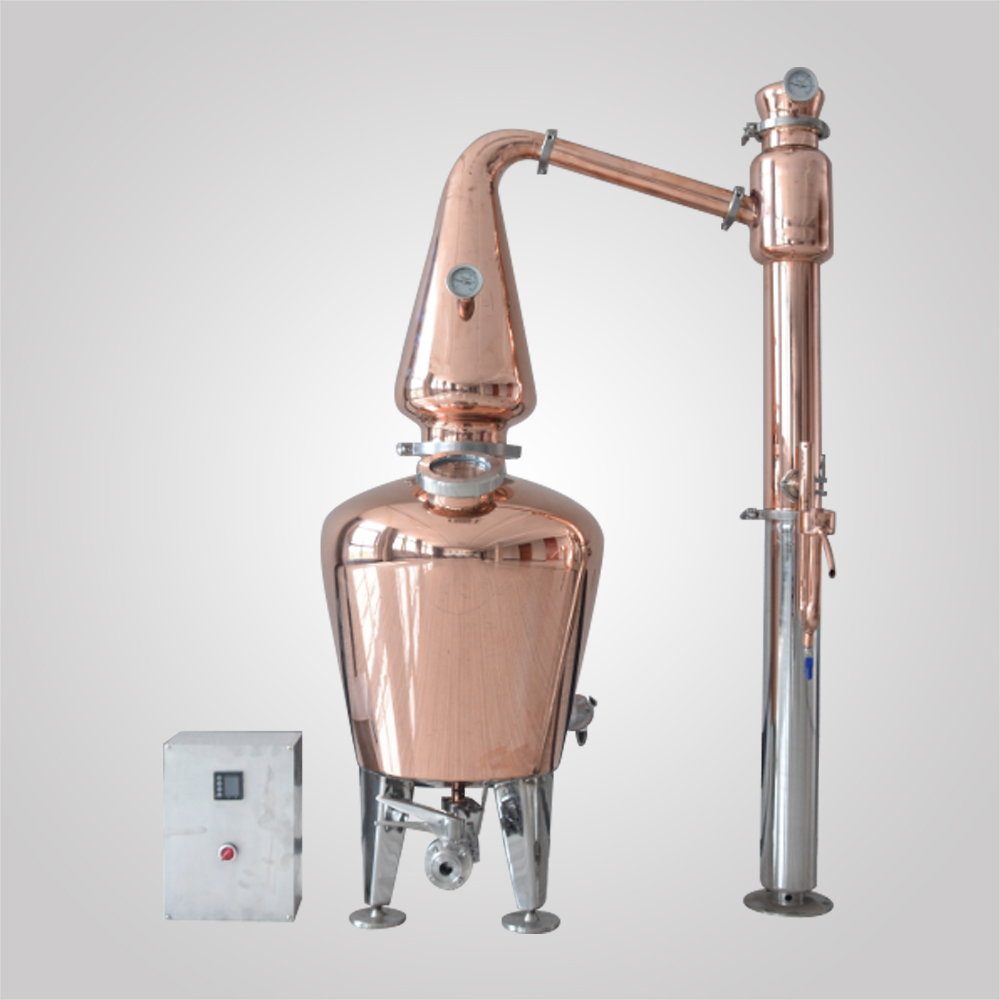
Tiantai supplier 100L-10,000L Columns Hybrid Distiller equipment and pot stills for different kinds of spirit like Gin, Whiskey, Brandy, Vodka, Rum, Grappa, Tequila.
Vodka, a spirit known for its purity, neutrality, and smoothness, has a surprisingly complex journey from fermented mash to a crystal-clear bottle. One of the most crucial elements in this journey is the material used for distillation equipment—specifically, copper. The gleaming copper still has become an iconic symbol of distillation, not just for vodka, but for many spirits. But why does copper matter so much in vodka production? Why do distillers still choose a metal that is more expensive and harder to maintain than alternatives like stainless steel?
This article explores the multifaceted reasons behind copper’s dominance in vodka distillation, delving into the science, history, and craftsmanship that have made it the material of choice.
The Science Behind Copper in Distillation
At the heart of any distillation process lies a series of chemical and physical transformations. When a fermented liquid (or “wash”) is heated, different compounds evaporate at different temperatures. These vapors are then condensed back into liquid, resulting in a more purified, higher-proof spirit. However, this process does not only separate ethanol from water; it also affects countless other compounds that influence the aroma, taste, and smoothness of the final product.
Here’s where copper plays a critical role.
1. Sulfur Compound Removal
One of the most important functions of copper in distillation is its ability to react with and remove sulfur-based compounds. During fermentation, sulfur compounds like hydrogen sulfide are naturally produced. These compounds can result in foul odors and unpleasant tastes—commonly described as “rotten egg” or “burnt rubber.”
Copper reacts with these sulfur compounds to form copper sulfide, a stable compound that remains in the still rather than passing into the final spirit. This chemical interaction significantly improves the flavor and aroma profile of vodka, contributing to its clean and neutral character.
In fact, many distillers who switch to stainless steel stills often add copper elements—such as copper mesh, plates, or columns—into the system to compensate for this chemical advantage. It’s a testament to copper’s irreplaceable role in refining spirit quality.
2. Thermal Conductivity for Precise Distillation
Copper is one of the best conductors of heat among commonly used industrial metals. This characteristic ensures even heating and cooling throughout the still, which is critical for controlled distillation. Uneven heat can lead to “hot spots” that burn the wash or cause inconsistent vaporization, both of which compromise the quality and yield of the spirit.
In vodka production—where precision is paramount—copper’s excellent thermal conductivity supports a more stable and consistent distillation process. This helps in carefully separating the alcohol from undesirable byproducts and allows the distiller to fine-tune the spirit’s purity.
3. Catalyst for Beneficial Reactions
Beyond sulfur removal, copper acts as a catalyst for a variety of chemical reactions that improve the flavor and mouthfeel of distilled spirits. It can neutralize harsh-tasting compounds such as ethyl carbamate and fatty acids. The result is a smoother, more palatable vodka.
These catalytic properties are especially important in vodka production, where the goal is a spirit that is not just high in alcohol content but also as neutral, smooth, and clean as possible.
Historical Context and Craftsmanship
The use of copper in distillation is not just a modern innovation backed by science. It is deeply rooted in the history of spirit-making, tracing back centuries.
4. A Tradition Honed Over Generations
Copper stills have been used in spirit production since the earliest days of distillation in Europe and the Middle East. Over generations, distillers noticed that copper equipment consistently produced better-tasting spirits than alternatives made from iron, wood, or clay.
This empirical knowledge became codified into tradition. Even today, many artisanal and heritage distilleries proudly showcase their traditional copper stills, not only for their performance but as a symbol of authenticity and craft.
In regions like Eastern Europe and Russia—birthplaces of vodka—the use of copper stills is part of a long-standing cultural legacy. It connects modern distillers to their forebears and reinforces a sense of heritage and pride in the final product.
Practical and Aesthetic Considerations
While copper is chemically and historically favored, there are also practical and aesthetic reasons why distilleries continue to use it.
5. Antimicrobial Properties
Copper naturally inhibits bacterial growth, which helps keep the stills clean and reduces the risk of contamination. This is particularly important during the cleaning and maintenance stages, making it easier to maintain hygienic production conditions. Although modern sanitation methods can offset this advantage, copper’s inherent cleanliness adds an extra layer of protection.
6. Visual Appeal and Brand Image
There’s no denying the aesthetic charm of a gleaming copper still. For many distilleries—especially those open to visitors—the visual appeal of copper plays a role in branding and marketing. Copper stills convey craftsmanship, tradition, and attention to quality, all of which are powerful messages for a consumer base that increasingly values authenticity.
Moreover, when customers see copper stills on tours or in advertisements, they often associate them with premium quality and artisanal production methods. This perception can justify higher pricing and foster greater brand loyalty.
The Case for Alternatives: Stainless Steel with Copper Integration
It’s worth noting that not all vodka is distilled in 100% copper stills. Many modern industrial distilleries use stainless steel equipment, which is cheaper, more durable, and easier to maintain. However, most of these systems integrate copper elements—such as copper packing in the columns or copper condensers—to retain the benefits discussed above.
This hybrid approach allows producers to balance cost-efficiency with spirit quality. It also highlights that while full copper stills are ideal, what truly matters is copper contact during distillation. As long as the vapor interacts with enough copper surface, many of the chemical benefits can still be achieved.
Cost vs. Quality: A Distiller’s Dilemma
Copper is significantly more expensive than stainless steel, and it requires more maintenance due to its tendency to oxidize and develop patina. Over time, copper surfaces must be cleaned and sometimes replaced to maintain effectiveness and hygiene. This adds to operating costs.
Nevertheless, for premium vodka brands—or those aiming to craft the highest quality spirit—the benefits of copper far outweigh the costs. In an industry where purity, flavor, and smoothness are everything, distillers are willing to invest in copper as a way to ensure consistency and excellence.
Conclusion: Copper’s Enduring Role in Vodka Distillation
Vodka may be known for its simplicity, but the process of making truly high-quality vodka is anything but simple. From the choice of raw materials to the number of distillations, every step matters—and the choice of distillation equipment is among the most crucial.
Copper remains the material of choice in vodka distillation because it improves flavor, smoothness, and purity through its chemical and thermal properties. Its historical significance and visual appeal only add to its value, making it not just a tool, but a cornerstone of vodka craftsmanship.
While modern alternatives like stainless steel offer cost and maintenance advantages, the benefits of copper—especially in premium production—are too significant to ignore. Whether used in full stills or as part of a hybrid system, copper continues to shape the character of one of the world’s most beloved spirits.
In short, copper is more than just a shiny metal in the distillery—it’s an essential ingredient in the pursuit of vodka perfection.
Welcome to contact us to get good discount!
If you are interested in any brewing or distillery equipment, please feel free to contact us:
Ivy Liang(Sales Director)
Email: [email protected]