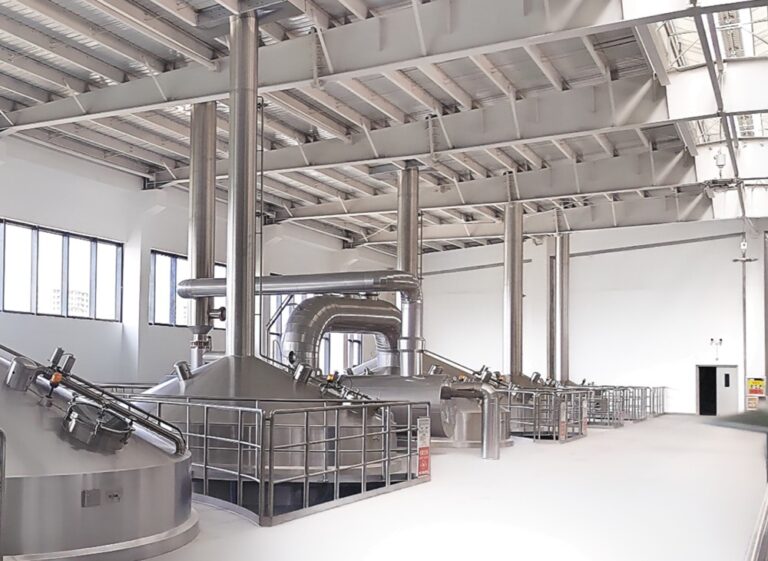
In the global beer industry, especially among large-scale industrial breweries, rice is a surprisingly common ingredient. While traditional beer recipes—particularly those rooted in European brewing heritage—often rely solely on malted barley, modern commercial brewing frequently incorporates adjuncts such as rice, corn, or sugar. Among these, rice stands out as one of the most widely used. But why do major breweries choose rice as part of their formulation?
This article explores the technical, economic, and sensory reasons behind the use of rice in industrial beer production.
1. What Is Rice Doing in Beer?
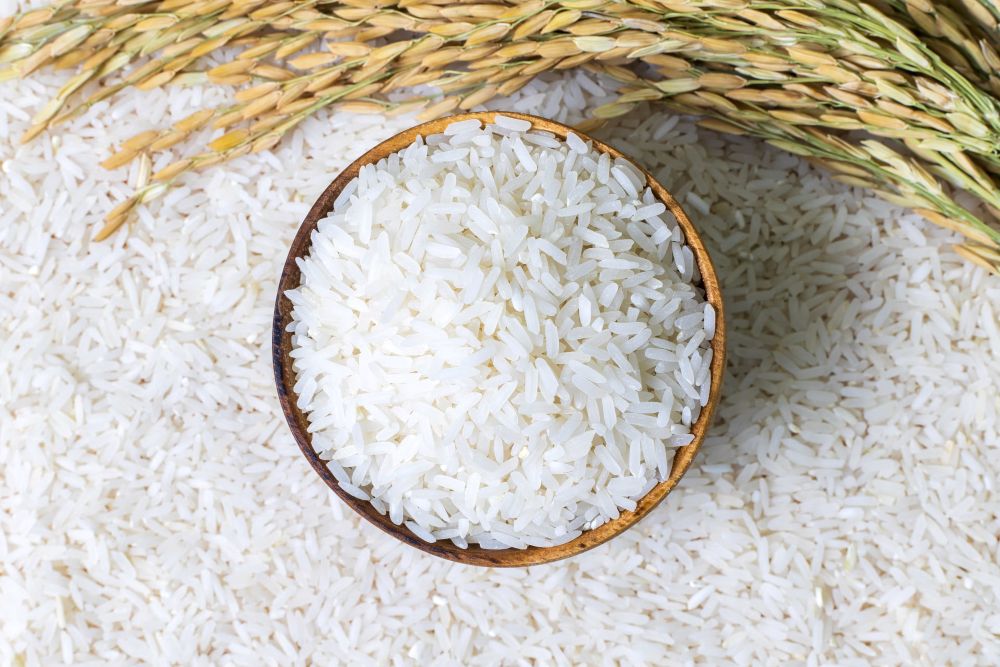
Rice is classified as an adjunct—a fermentable ingredient used alongside malted barley. Unlike malt, rice does not contain the enzymes required to convert starch into fermentable sugars. Therefore, it must be processed (typically cooked or pre-gelatinized) before being added to the mash, where malt enzymes break down its starches.
Rice contributes primarily starch, which is converted into sugar and then fermented into alcohol and carbon dioxide. However, it contributes very little in terms of flavor, color, or body compared to malt.
2. Creating a Lighter, Cleaner Flavor Profile
One of the main reasons large breweries use rice is to produce a light, crisp, and clean-tasting beer. Rice is very neutral in flavor, which allows brewers to:
- Reduce the intensity of malt flavors
- Avoid heaviness or sweetness
- Produce a smooth, highly drinkable beer
This is especially important for mass-market lagers, where the goal is broad consumer appeal. Many drinkers prefer beers that are refreshing and easy to consume in large quantities, rather than complex or heavy.
Rice helps achieve this by diluting the malt character without compromising alcohol content.
3. Improving Clarity and Stability
Rice contains lower levels of proteins and polyphenols compared to barley. This has several advantages:
- Improved clarity: Fewer haze-forming compounds
- Better shelf stability: Reduced risk of chill haze over time
- Cleaner filtration: Easier processing during clarification
For large breweries that distribute beer over long distances and store it for extended periods, visual clarity and stability are critical quality factors.
4. Increasing Fermentability and Dryness
Rice is almost entirely composed of starch, which is highly fermentable once converted. This leads to:
- Higher attenuation (more sugar converted to alcohol)
- Drier finish (less residual sweetness)
- Lower final gravity
The result is a beer that feels lighter on the palate and finishes clean—qualities that define many industrial lagers.

5. Cost Efficiency and Supply Stability
From a business perspective, rice offers several economic benefits:
a. Lower Cost per Extract Unit
Rice is often cheaper than malted barley, especially when purchased in bulk. Since large breweries operate at massive scale, even small cost differences per ton translate into significant savings.
b. Global Availability
Rice is widely cultivated around the world, particularly in Asia and the Americas. This ensures a stable and diversified supply chain, reducing dependency on barley harvests, which can fluctuate due to climate conditions.
c. Reduced Malting Costs
Unlike barley, rice does not require malting, which is a time- and energy-intensive process. Using rice reduces the overall cost of raw material processing.
6. Supporting High-Gravity Brewing
Many industrial breweries use high-gravity brewing, where wort is produced at a higher concentration than the final beer and later diluted to the desired strength.
Rice is ideal for this process because:
- It provides fermentable sugars without adding excessive flavor
- It helps maintain a balanced profile after dilution
- It allows breweries to maximize brewhouse efficiency
This approach increases production capacity without requiring proportional increases in equipment size.

7. Process Considerations in Using Rice
Using rice in brewing is not as simple as adding it to the mash. It requires additional process steps and equipment:
a. Gelatinization
Rice starch gelatinizes at a higher temperature (around 68–78°C) than barley malt. Therefore, breweries often use a cereal cooker to pre-cook the rice before adding it to the mash.
b. Enzyme Dependence
Since rice lacks enzymes, it must be mashed with sufficient malt to ensure proper starch conversion. The malt provides enzymes such as alpha-amylase and beta-amylase.
c. Milling and Handling
Rice is typically used in forms such as:
- Broken rice
- Rice grits
- Flaked rice (pre-gelatinized)
Each form affects processing requirements and efficiency.

8. Consumer Perception and Market Strategy
There is sometimes a misconception that using rice is a “cheap shortcut” or reduces beer quality. However, this perspective depends heavily on the context.
For large breweries, the goal is not to replicate traditional craft styles but to:
- Produce a consistent product at scale
- Meet the preferences of a broad consumer base
- Maintain competitive pricing
In fact, some of the world’s most recognizable beer brands use rice as a key ingredient, and consumers associate their flavor profile with quality and refreshment.
9. Comparison with Other Adjuncts
Rice is not the only adjunct used in brewing. Corn (maize) is another popular option. Compared to corn:
| Aspect | Rice | Corn |
| Flavor | Very neutral | Slight sweetness |
| Color | Very pale | Slightly darker |
| Oil content | Low | Higher (can affect foam) |
| Mouthfeel | Light, crisp | Slightly fuller |
Rice is often preferred when the goal is maximum neutrality and a clean finish.
10. Not Just Industrial: Rice in Craft Brewing
While rice is most commonly associated with industrial breweries, it is also used by craft brewers in specific styles, such as:
- Japanese rice lagers
- American light lagers
- Experimental hybrid beers
In these cases, rice is used deliberately for its unique contribution to texture and drinkability, rather than purely for cost savings.

The use of rice in large industrial breweries is driven by a combination of technical advantages, economic efficiency, and consumer preferences. Far from being a compromise, rice is a strategic ingredient that helps breweries produce beers that are:
- Light and refreshing
- Clear and stable
- Consistent and scalable
- Cost-effective
Understanding the role of rice in brewing offers valuable insight into how modern beer production balances tradition with innovation. Whether you’re designing a large-scale brewery or simply curious about what goes into your beer, rice stands as a key example of how ingredient choices shape both the process and the final product.
Edited By Daisy
[email protected]