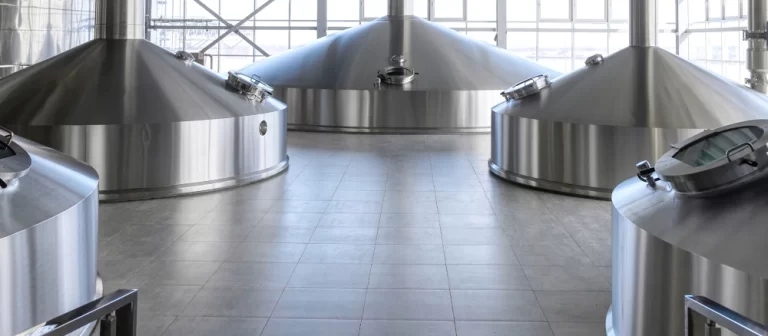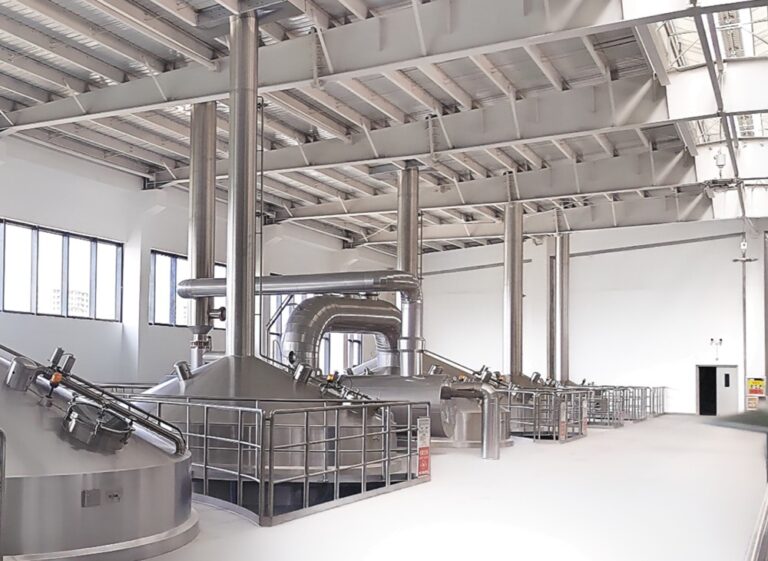
In whisky production, the decision to separate stripping distillation (wash distillation) from spirit distillation is not a matter of tradition alone. It is a deliberate technical and sensory choice that underpins quality, consistency, and control. From historic Scottish distilleries to modern craft operations, two-stage distillation remains the preferred approach because it balances efficiency with precision—two qualities essential to great whisky.
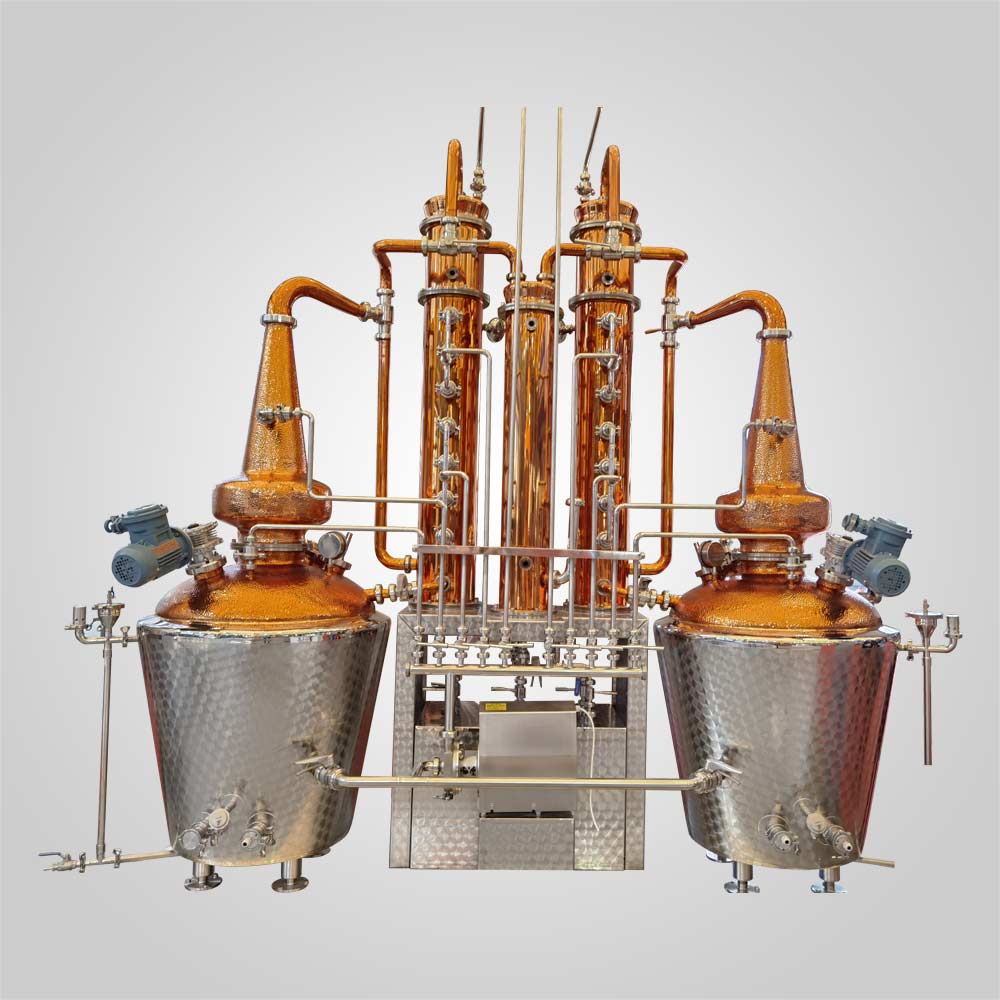
Efficiency First: The Role of the Stripping Run
Fermented wash typically contains only 6–10% alcohol by volume. Distilling such a low-strength liquid directly for flavor separation would be slow, energy-intensive, and operationally inefficient. The purpose of the stripping run is simple: recover alcohol efficiently.
During this first distillation, the wash is heated relatively quickly, with minimal concern for separating flavor fractions. Alcohol, along with a wide range of volatile compounds, is concentrated into a liquid known as low wines, usually at 20–30% ABV. By removing water at this stage, the distiller dramatically reduces the volume that must be handled in the more delicate second distillation. In essence, the stripping run is about preparation, not refinement.
Precision and Choice: The Spirit Run
The second distillation—the spirit run—is where whisky truly takes shape. Starting with low wines rather than raw wash creates a much more controlled environment for separation. Differences in volatility between compounds become clearer, allowing the distiller to make precise cuts between heads, hearts, and tails.
This precision is crucial. Early fractions may contain harsh, solvent-like aromas, while late fractions can introduce heavy, oily, or sulfurous notes. By isolating and selecting the heart of the run, the distiller defines the character, balance, and aging potential of the whisky. This level of control would be extremely difficult, if not impossible, to achieve in a single-pass distillation from wash.
Consistency Through Blending and Control
Separating the two stages also improves batch-to-batch consistency, a key requirement in commercial whisky production. Multiple stripping runs can be combined and homogenized before the spirit run, ensuring that the second distillation always begins with a stable, predictable input. This allows cut points and heating profiles to be repeated with confidence, even when fermentation performance varies slightly from batch to batch.
For distillers, this repeatability translates into a reliable house style—one that consumers can recognize and trust year after year.
Safety and Equipment Protection
From a practical standpoint, separating stripping and spirit runs is also safer. Fermented wash contains solids, proteins, and foam that can cause violent boiling or scorching. Low wines are a clearer, more stable liquid, making the spirit run easier to control and gentler on the still. Reduced fouling and smoother vapor flow help protect equipment and improve operational safety.
A Balance of Engineering and Art
Ultimately, two-stage distillation reflects the dual nature of whisky making. The stripping run is an exercise in engineering—efficient, robust, and objective. The spirit run is an act of craftsmanship, guided by aroma, taste, and experience. By separating these roles, distillers gain the freedom to optimize both.

In whisky, excellence comes not from doing everything at once, but from knowing when to separate processes to let quality emerge.
Thank you very much for your reading.
Helen Lee
Sales Manager