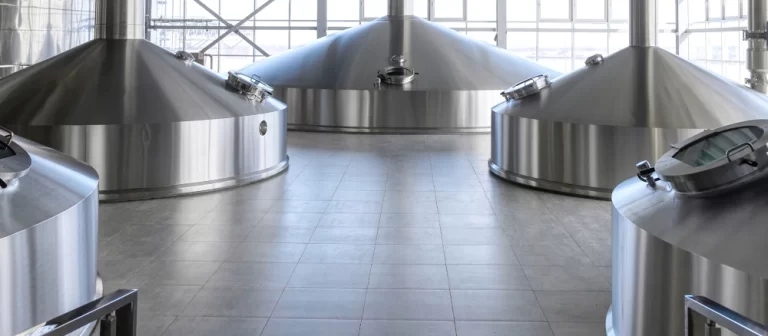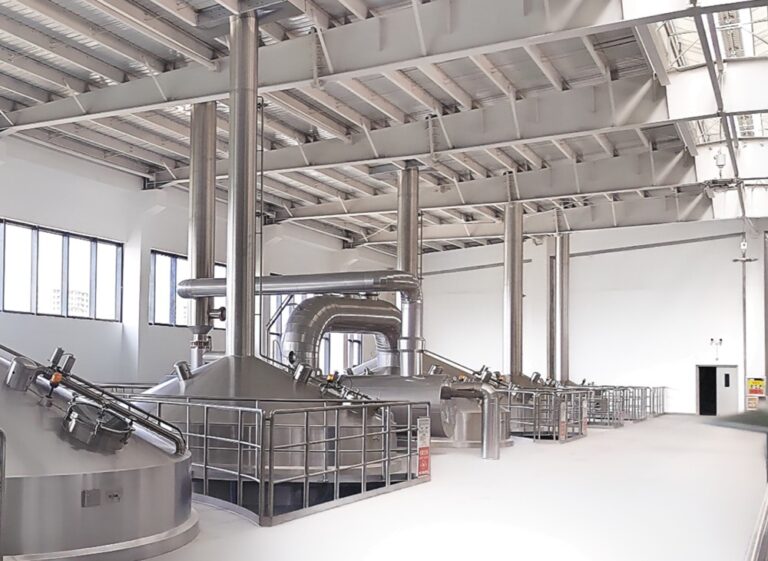
In whisky production, the fermentation stage is arguably the most important step in defining the flavor profile of the final spirit. While alcohol content and efficiency are crucial, the true artistry of whisky lies in the subtle aroma compounds and flavor precursors produced during fermentation. One of the most distinctive features of whisky fermentation is the near-universal use of atmospheric, or non-pressurized, fermentation tanks. This choice, combined with carefully controlled fermentation times, allows distillers to achieve a balance of efficiency, safety, and flavor development.
The Role of Fermentation in Whisky Flavor
Unlike beer or industrial ethanol production, where the main goal is alcohol yield and clarity, whisky fermentation is about building flavor complexity. Yeast in the wash not only converts sugars into alcohol but also produces hundreds of flavor compounds, including esters, aldehydes, and acids. These compounds are the building blocks of whisky’s fruitiness, creaminess, and subtle spice.
The pressure environment in which yeast ferments has a direct impact on this process. In pressurized tanks, CO₂ accumulates, increasing back-pressure on the yeast. This can suppress their metabolic activity and reduce the production of key esters and aromatic compounds, resulting in a cleaner but flatter flavor profile. For whisky, where flavor complexity is prized, this is undesirable.
Why Atmospheric Tanks Are Ideal
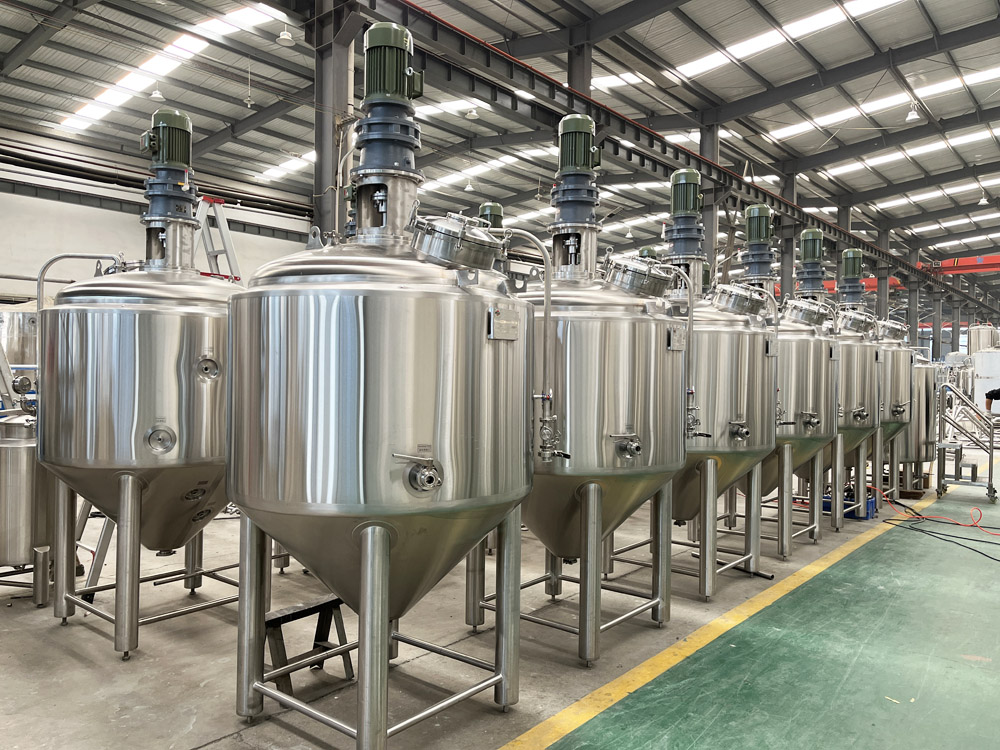
Atmospheric fermentation tanks allow CO₂ to escape freely and provide a natural environment for yeast to metabolize sugars efficiently. They also permit secondary microbial interactions, such as the growth of lactic acid bacteria in the later stages of fermentation. These bacteria produce mild acids and esters that add subtle layers of aroma and taste, contributing to the whisky’s complexity.
From a practical standpoint, atmospheric tanks are also safer and easier to maintain. Fermenting wash contains solids, proteins, and foam, which can be difficult to manage under pressure. Atmospheric tanks reduce the risk of overpressure, overflow, or equipment stress, making operations more reliable and cost-effective.
Typical Fermentation Periods
The fermentation period for whisky wash usually ranges between 72 and 120 hours (3–5 days), depending on the desired flavor profile and production style:
Short fermentation (48–60 hours): Produces a cleaner wash with fewer secondary flavor compounds. Common in high-throughput industrial operations or lighter whisky styles.
Standard fermentation (72–96 hours): The most common approach, balancing alcohol production and flavor complexity. Yeast fully converts sugars while allowing secondary metabolites to form.
Extended fermentation (100–120+ hours): Enhances fruity, creamy, and lactic notes, but increases the risk of infection and batch variability. Often used in craft or specialty whisky production.
The key is to align fermentation length with yeast strain, mash composition, and distillation schedule to consistently produce the desired flavor profile.

Conclusion
In whisky production, atmospheric fermentation tanks are not just a tradition—they are a deliberate choice to maximize flavor development, ensure process safety, and maintain operational flexibility. Combined with carefully timed fermentation periods, these tanks allow distillers to create rich, complex spirits that form the foundation of high-quality whisky. By understanding the role of pressure and fermentation timing, distillers can control the subtle aromatic precursors that define a whisky’s character, creating a product that is both consistent and full of depth.
Thank you very much for your reading.
Helen