In modern brewing, yeast management is no longer a secondary consideration—it is a critical control point that directly influences beer quality, consistency, and production efficiency. Among the various tools used in professional breweries, the yeast brink has become indispensable. Especially in small to medium-sized breweries, a 50L yeast brink with wheels offers a practical, flexible, and efficient solution for both yeast harvesting and pitching operations.
This article explores what a yeast brink is, its functions, design features, and why a 50L mobile unit is an ideal choice for many brewers.
What is a Yeast Brink?
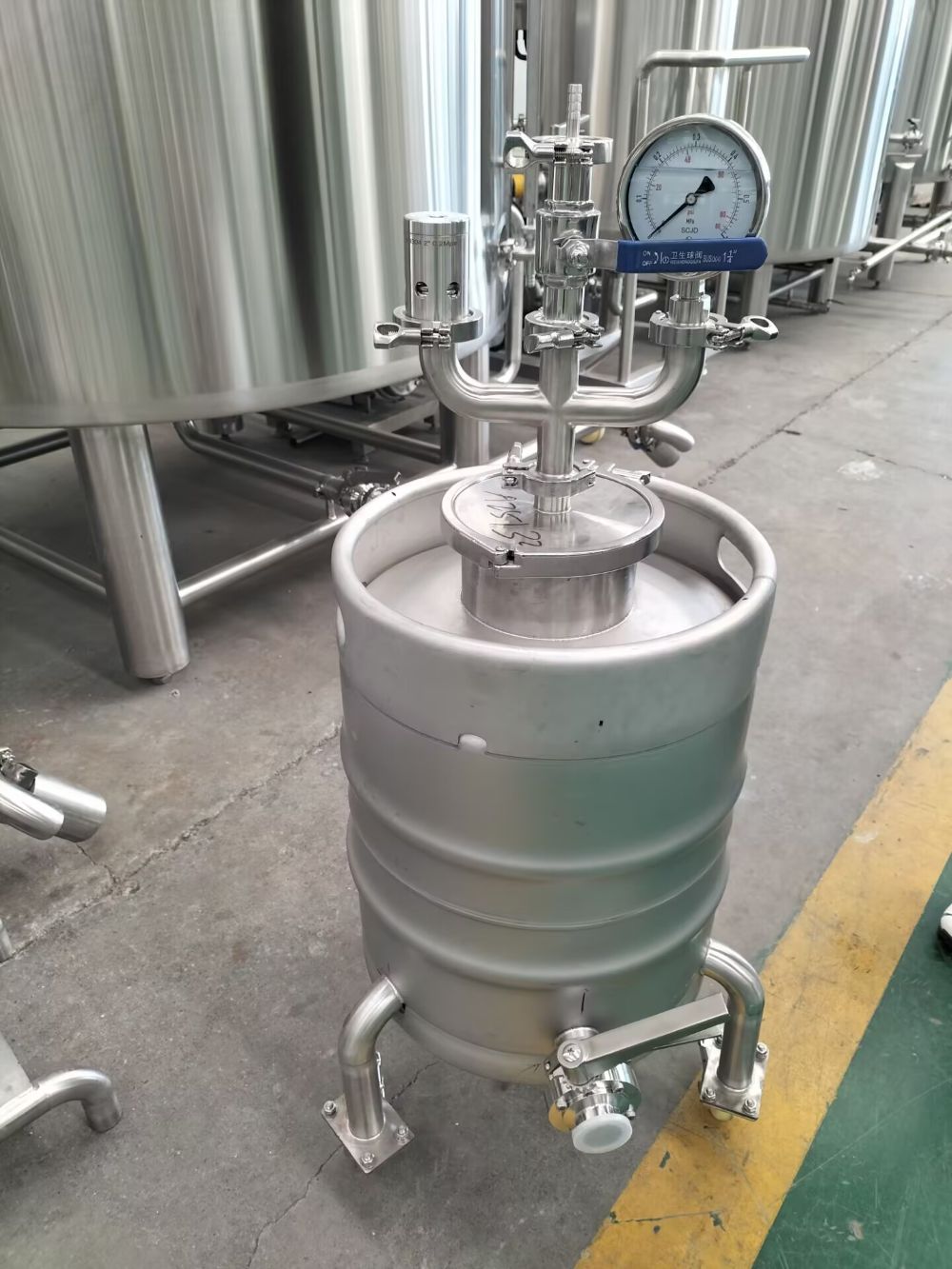
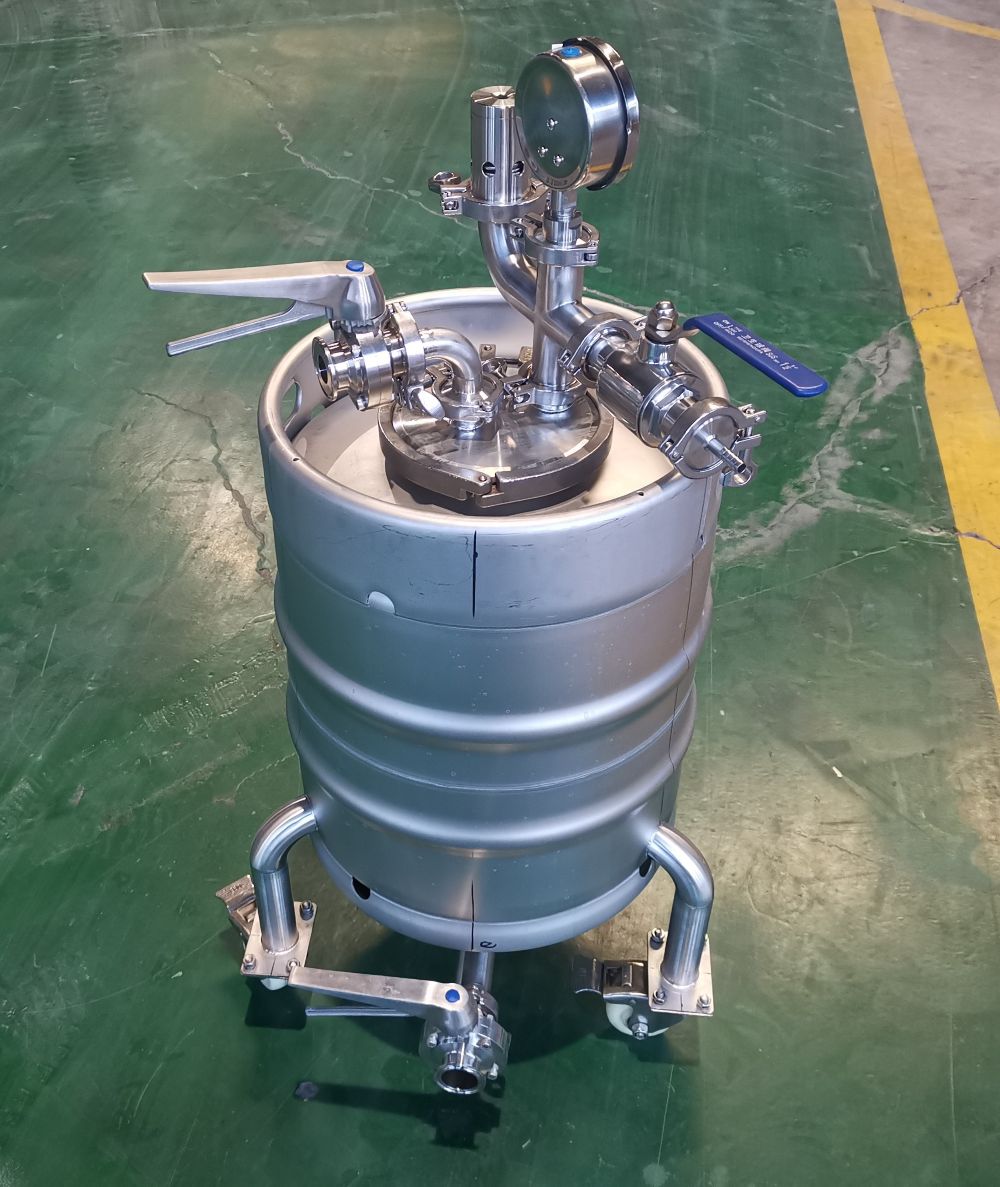
A yeast brink, also known as a yeast collection tank or yeast dosing tank, is a small, pressurized vessel used to store, handle, and transfer yeast in a controlled and sanitary environment. It is typically made from stainless steel and designed to maintain yeast viability between fermentation cycles.
The yeast brink serves two main purposes:
1.Yeast Harvesting (Collection): Collecting yeast slurry from a fermenter after primary fermentation.
2.Yeast Pitching (Dosing): Reintroducing the harvested yeast into fresh wort for the next batch.
By using a dedicated vessel, brewers can avoid contamination, maintain yeast health, and ensure consistent fermentation performance.
Why Yeast Management Matters?
Yeast is often referred to as the “soul of beer.” Proper yeast management ensures:
- Consistent flavor profiles
- Stable fermentation performance
- Reduced off-flavors
- Lower production costs through yeast reuse
Without proper handling, yeast can become stressed, contaminated, or lose viability, leading to inconsistent batches and financial losses.
Key Features of a 50L Yeast Brink with Wheels
A 50L yeast brink is particularly popular in craft breweries due to its manageable size and versatility. When equipped with wheels, it becomes even more practical in dynamic brewing environments.
1. Compact Capacity (50 Liters)
A 50L capacity is ideal for:
- Pilot brewing systems
- Small to medium craft breweries
- Yeast propagation and trial batches
It provides enough volume to handle yeast from fermenters ranging from 500L to 2000L, depending on pitching rates.
2. Mobility with Wheels
The addition of heavy-duty wheels (casters) transforms the yeast brink into a highly flexible piece of equipment.
Benefits include:
- Easy movement between fermenters
- Reduced manual lifting and labor
- Improved safety in the brewhouse
- Efficient workflow in limited spaces
Lockable wheels ensure stability during operation.
3. Stainless Steel Construction (SS304 or SS316)
High-quality yeast brinks are made from food-grade stainless steel, offering:
- Corrosion resistance
- Easy cleaning and sanitation
- Long service life
Smooth internal surfaces minimize yeast adhesion and contamination risks.
4. Pressure-Resistant Design
A yeast brink is typically designed to handle low pressure (e.g., 1–2 bar), allowing:
- CO₂-assisted transfer of yeast
- Closed-loop operations to prevent oxygen exposure
- Improved hygiene and yeast quality
Pressure capability is especially important for maintaining anaerobic conditions.
5. CIP (Clean-In-Place) System
A built-in CIP spray ball enables:
- Efficient internal cleaning
- Reduced downtime
- Consistent sanitation standards
This feature is crucial for breweries aiming to maintain strict hygiene protocols.
6. Sight Glass and Level Indicators
A sight glass or level tube allows brewers to:
- Monitor yeast volume
- Observe clarity and condition
- Prevent overfilling
This improves operational control and reduces waste.
7. Sampling Valve
A sampling port enables brewers to:
- Check yeast viability and vitality
- Perform microbiological analysis
- Ensure quality before pitching
8. Bottom Outlet and Butterfly Valves
The conical or dished bottom design ensures:
- Efficient yeast discharge
- Minimal residue
- Easy transfer to fermenters
Butterfly valves provide reliable and sanitary flow control.
9. Gas Inlet (CO₂ Port)
A CO₂ inlet allows for:
- Pressurized transfer of yeast
- Oxygen-free environment
- Gentle handling of yeast cells
This is critical for maintaining yeast health and avoiding oxidation.
Applications in Brewing
A 50L yeast brink with wheels can be used in several key processes:
1. Yeast Harvesting
After fermentation, yeast settles at the bottom of the fermenter. Brewers can:
- Transfer yeast into the brink
- Separate healthy yeast from trub
- Store yeast under controlled conditions
2. Yeast Storage
Short-term storage in a yeast brink helps:
- Maintain yeast viability
- Keep yeast under sanitary and pressurized conditions
- Prepare for the next batch
3. Yeast Pitching
The brink enables precise yeast dosing:
- Controlled transfer into fermenters
- Consistent pitching rates
- Improved fermentation predictability
4. Yeast Propagation
For breweries cultivating their own yeast:
- The brink can serve as an intermediate vessel
- Useful for scaling up yeast cultures
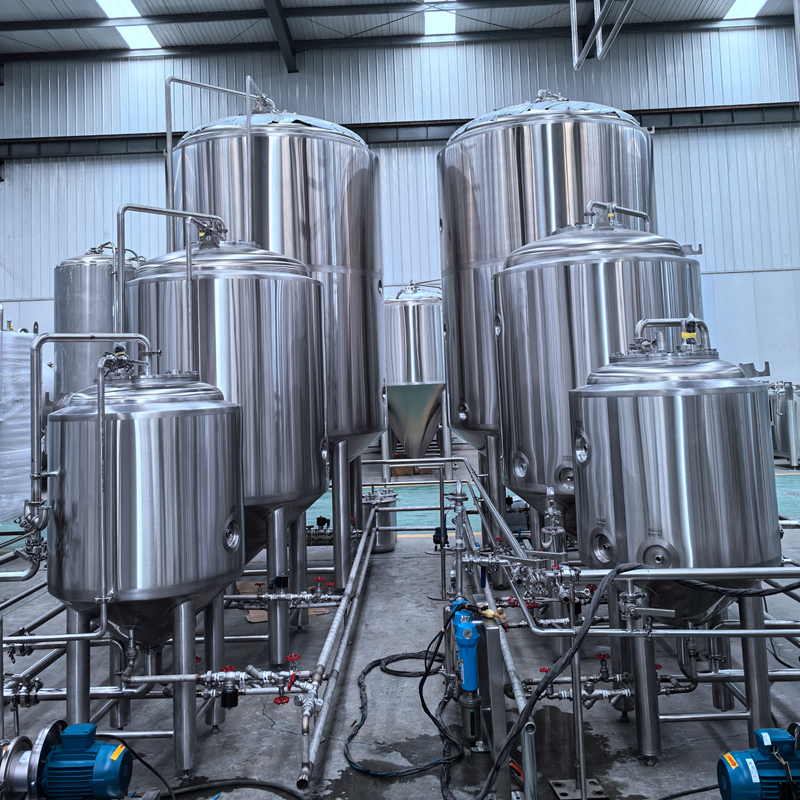
[The following image is a large yeast propogation system]
Advantages of a Mobile 50L Yeast Brink
Compared to larger or fixed yeast tanks, a 50L mobile brink offers several advantages:
Flexibility
It can be used across multiple fermenters and brewing lines.
Cost-Effective
Lower investment compared to large automated yeast systems.
Space-Saving
Ideal for breweries with limited floor space.
Ease of Use
Simple operation without complex automation.
Improved Workflow
Mobility reduces time and effort during yeast transfer.
Best Practices for Using a Yeast Brink
To maximize performance, brewers should follow these best practices:
1. Maintain Sanitation
Always clean and sanitize before and after use.
2. Minimize Oxygen Exposure
Use CO₂ to purge the tank before filling.
3. Monitor Yeast Health
Check viability, cell count, and contamination regularly.
4. Control Temperature
Store yeast at low temperatures (typically 2–4°C).
5. Limit Storage Time
Use harvested yeast within a few days for best results.
Choosing the Right Yeast Brink
When selecting a 50L yeast brink with wheels, consider:
- Material quality (SS304 vs SS316)
- Pressure rating
- Valve and fitting standards
- Mobility design (wheel quality and locking system)
- Compatibility with your brewing system
Customization options such as insulation, glycol jackets, or advanced instrumentation may also be available depending on your needs.
A 50L yeast brink with wheels is a small but powerful tool that significantly enhances yeast management in modern breweries. By enabling efficient yeast collection, storage, and pitching, it helps brewers maintain consistency, reduce costs, and improve overall beer quality.
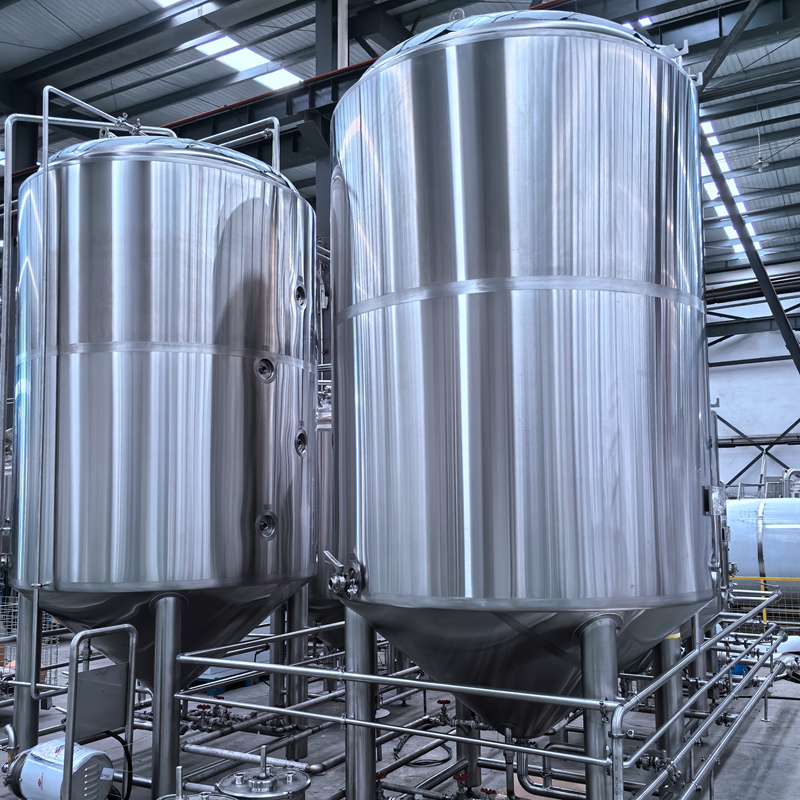
[The following image is a large yeast propogation system]
For craft brewers aiming to scale operations while maintaining control over fermentation, investing in a well-designed mobile yeast brink is a smart and practical decision. Whether you are running a pilot system or a growing production brewery, this compact and versatile piece of equipment can play a vital role in your brewing success.
Edited By Daisy
[email protected]