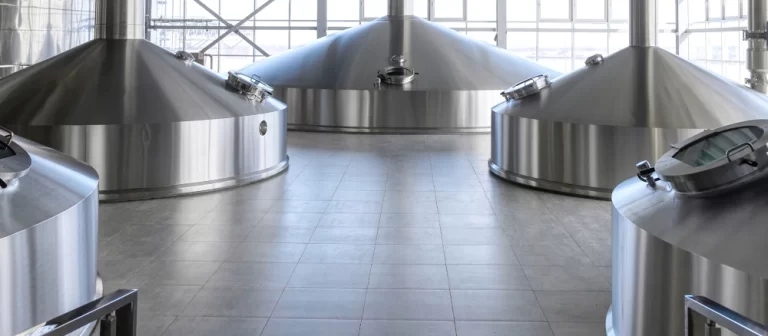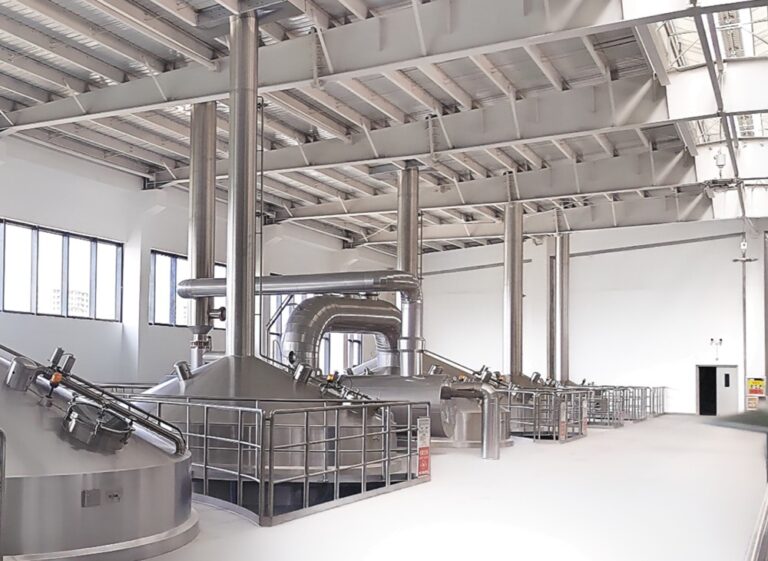
In the brewing industry, carbon dioxide (CO₂) is an essential ingredient throughout the production process. From fermentation and carbonation to packaging, breweries consume a significant amount of CO₂ every year. Traditionally, most breweries purchase industrial CO₂ from external suppliers, creating additional operating costs and dependence on external supply chains.
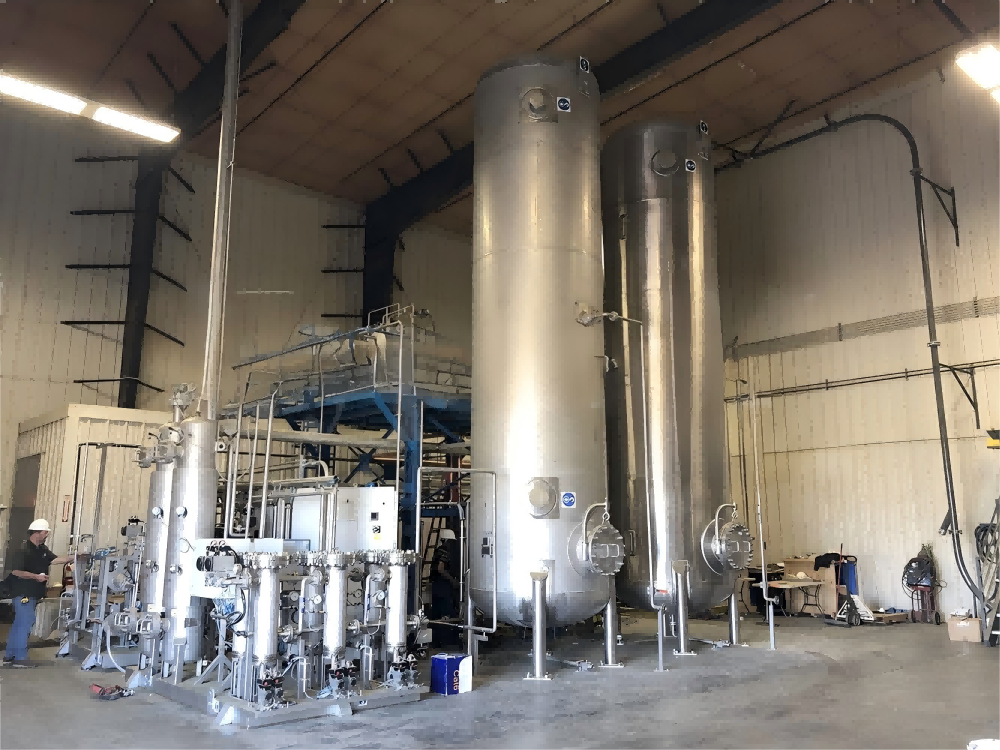
However, during beer fermentation, a large amount of naturally generated CO₂ is released into the atmosphere. With a professional CO₂ recovery system, breweries can capture, purify, compress, and reuse this fermentation CO₂, transforming a by-product into a valuable resource while improving sustainability and reducing production costs.
What Is a CO₂ Recovery System?
A brewery CO₂ recovery system is designed to collect carbon dioxide generated during fermentation and convert it into high-purity food-grade CO₂ suitable for reuse in brewing operations.
The complete system normally includes several key components:
**1. CO₂ Collection System**
During fermentation, yeast produces a large amount of CO₂. The collection system connects to fermentation tanks and safely captures the released gas instead of allowing it to escape. Proper pressure control and pipeline design ensure stable gas recovery.
**2. CO₂ Purification System**
Raw fermentation gas contains impurities such as oxygen, nitrogen, water vapor, alcohol vapor, and other organic compounds. The purification section removes these unwanted components through processes such as washing, filtration, drying, and adsorption, ensuring the recovered CO₂ meets beverage industry requirements.
**3. CO₂ Compression and Storage System**
After purification, CO₂ is compressed into liquid form and stored in a dedicated storage tank. The stored CO₂ can then be supplied back to the brewery for carbonation, tank purging, bottling, canning, and other applications.
**4. Control System**
Modern CO₂ recovery systems are equipped with automatic control panels to monitor pressure, temperature, purity, and operating conditions. This allows stable operation with minimal manual intervention.
## What Size Brewery Should Consider Installing CO₂ Recovery Equipment?
A CO₂ recovery system is an investment that depends mainly on brewery production capacity, fermentation volume, CO₂ consumption, and local CO₂ supply costs.
For **small craft breweries (below approximately 1,000–2,000 hectoliters/year)**, purchasing CO₂ cylinders or liquid CO₂ is usually more economical because their fermentation output is relatively limited. However, if CO₂ supply is expensive or difficult to obtain, a compact recovery solution may still be considered.
For **medium-sized breweries (around 5,000–10,000 hectoliters/year or above)**, CO₂ recovery becomes increasingly attractive. These breweries typically have multiple fermentation tanks operating continuously, generating enough CO₂ to make recovery economically meaningful. The recovered CO₂ can cover a significant portion of their internal consumption.
For **large commercial breweries (20,000 hectoliters/year and above)**, CO₂ recovery is often a strategic investment. Large breweries generate substantial fermentation CO₂ and have high demand for carbonation and packaging processes. A recovery system can significantly reduce CO₂ purchasing costs while supporting environmental goals.
## Sustainability and Economic Benefits
Installing a CO₂ recovery system provides multiple advantages:
* Reduce dependence on external CO₂ suppliers
* Lower long-term operating costs
* Improve production sustainability
* Reduce carbon emissions from transportation
* Create a closed-loop brewing process
As the brewing industry continues to focus on energy efficiency and environmental responsibility, CO₂ recovery technology is becoming an increasingly important solution for modern breweries.
At Tiantai, we provide customized CO₂ recovery solutions based on brewery capacity, fermentation tank numbers, and production requirements. From compact systems for growing craft breweries to larger industrial recovery plants, we help breweries maximize the value of every fermentation process.
Recovering CO₂ is not only about saving costs—it is about building a smarter, greener, and more sustainable brewery for the future.
Thanks for your reading.
Helen Lee
Contact Email: [email protected]