Coffee extraction is both an art and a science. Whether you’re producing a ready-to-drink (RTD) beverage, a high-strength concentrate, or a fresh cup for a café, the choice between cold brew and hot brew fundamentally shapes flavor, efficiency, and process design.
This article breaks down the key process differences between cold brew and hot brew coffee—from extraction principles to industrial scalability.
1. Extraction Philosophy: Time vs. Temperature
The core difference lies in how soluble compounds are extracted from coffee grounds.
Hot Brew Coffee
Uses high temperature (85–96°C)
Fast extraction (2–6 minutes typical)
Driven by heat + pressure (in some methods)
Cold Brew Coffee
Uses low temperature (4–25°C)
Long extraction time (8–24 hours)
Driven by time and diffusion
In simple terms:
Hot brew = speed and intensity
Cold brew = patience and selectivity
2. Solubility and Chemical Extraction
Temperature dramatically affects what gets extracted.
Hot Brew extracts:
Acids (bright, fruity notes)
Aromatic volatile compounds
Oils and lipids
Caffeine (rapidly)
Cold Brew extracts:
Caffeine (still efficient, but slower)
Sugars and smooth flavor compounds
Fewer acids and volatile aromatics
This is why cold brew tastes:
Less acidic
Smoother
More chocolatey or mellow
While hot brew is:
Brighter
More complex aromatically
Sometimes more bitter if over-extracted
3. Grind Size and Contact Mechanics
Hot Brew
Grind: medium to fine
High surface area for fast extraction
Short contact time
Cold Brew
Grind: coarse
Prevents over-extraction during long steep
Improves filtration performance
From a process standpoint:
Hot brew requires precision in seconds
Cold brew requires stability over hours
4. Brewing Methods and Equipment
Hot Brew Systems
Common methods include:
Espresso machines
Drip brewers
Pour-over systems
Continuous extraction systems (industrial)
Characteristics:
Pressurized or gravity-driven
High thermal energy input
Requires heating systems (boilers, heat exchangers)
Cold Brew Systems
Common methods include:
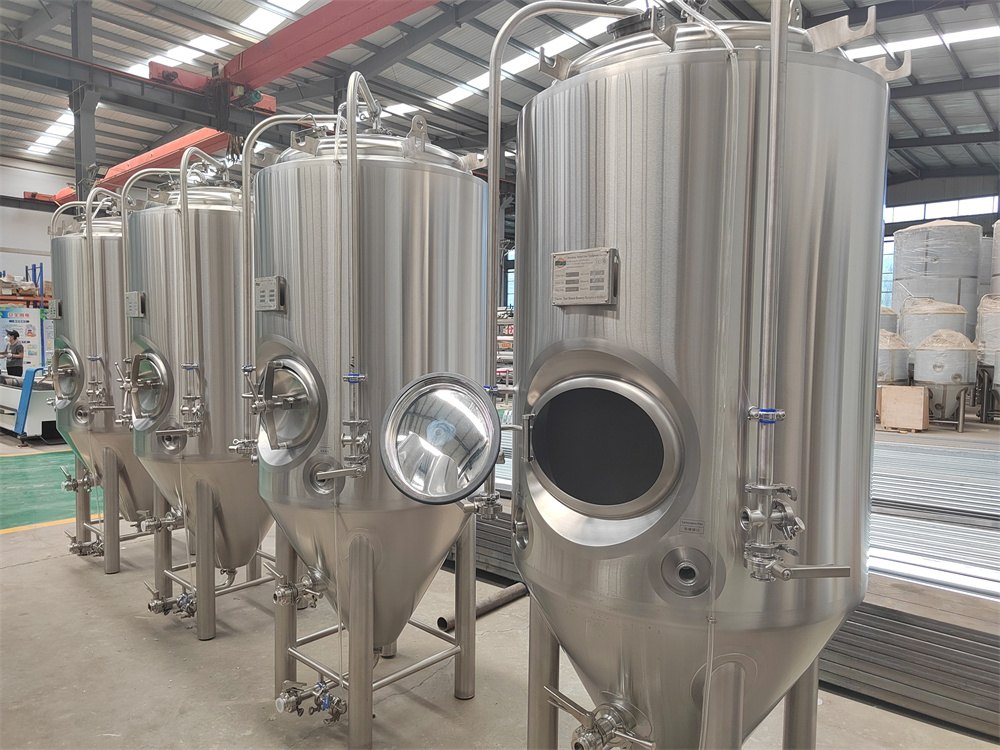
Immersion tanks
Batch extraction vessels
Slow drip towers (less common industrially)
Recirculation extraction systems
Characteristics:
No heating required
Long holding time
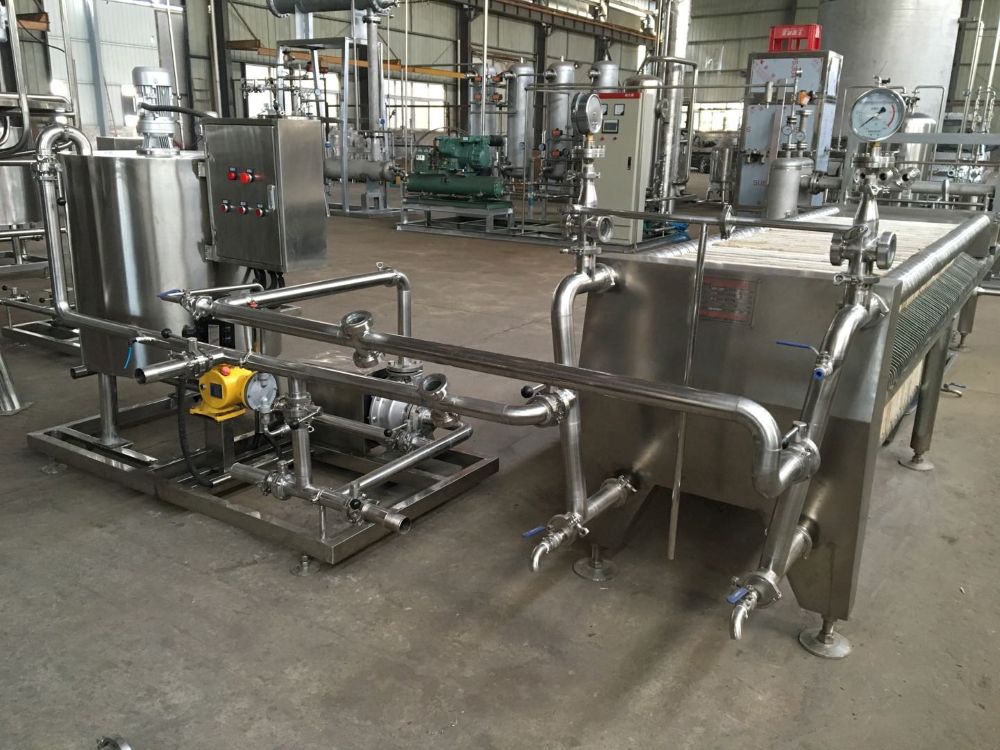
Often paired with filtration systems (bag filters, plate filters)
5. Process Flow Comparison
Hot Brew Process
Grind coffee
Heat water
Extract (minutes)
Immediate filtration
Serve or cool
Key feature: fast turnaround, continuous production possible
Cold Brew Process
Grind coffee (coarse)
Mix with water
Steep for 8–24 hours
Separate grounds (filtration/pressing)
Optional dilution or nitrogen dosing
Key feature: long batch cycle, requires tank capacity planning
6. TDS and Concentration Control
Hot Brew
Typical TDS: 1.2–2.0% (ready to drink)
Espresso: 8–12%
Easy to adjust via brew ratio and time
Cold Brew
Typical TDS: 2–6% (RTD)
Concentrate: up to 15%+ (or higher with advanced systems)
Requires higher coffee-to-water ratios for strong concentrate
Cold brew is often designed as a concentrate product, later diluted for serving.
7. Filtration and Clarity
Hot Brew
Easier filtration due to short contact time
Less fine particle breakdown (if controlled)
Standard paper or metal filters sufficient
Cold Brew
Longer extraction weakens particle structure
More fines released → harder filtration
Often requires:
Multi-stage filtration
Plate filter or membrane system (industrial)
8. Shelf Life and Stability
Hot Brew
Best consumed fresh
Rapid flavor degradation due to oxidation
Limited shelf life without preservation
Cold Brew
More stable due to lower acidity and fewer volatile compounds
Suitable for:
Bottled RTD coffee
Nitrogen-infused products
Longer shelf life under refrigeration
9. Energy Consumption and Efficiency
Hot Brew
High energy demand (heating water)
Fast throughput
Suitable for continuous production
Cold Brew
Low energy input (no heating)
High time cost (long extraction)
Requires larger tank volume for scale
So the trade-off is:
Hot brew = energy-intensive but fast
Cold brew = energy-efficient but time-intensive
10. Industrial Production Considerations
When scaling up:
Hot Brew Systems
Easier automation
Compact footprint
High throughput
Cold Brew Systems
Require large extraction tanks
Longer production cycles
More complex filtration
However, cold brew dominates in:
RTD beverages
Premium concentrate markets
Nitrogen coffee products

Cold brew and hot brew are not just different recipes—they are fundamentally different extraction systems.
Hot brew prioritizes speed, brightness, and aromatic complexity
Cold brew focuses on smoothness, stability, and scalability for packaged products
Choosing between them depends on your goal:
Fresh café service → hot brew
RTD or concentrate production → cold brew
For commercial operations, understanding these process differences is essential for designing the right equipment, optimizing extraction efficiency, and delivering consistent product quality. Are you looking for the coffee brewing system? TIANTAI can provide you a complete turnkey coffee extraction equipment. Welcome your proposal!
Edited By Daisy
[email protected]