En el mundo de la producción de cerveza artesana, conseguir un aroma a lúpulo potente y fresco es una de las firmas clave que separan una cerveza corriente de una excepcional. Aunque el lupulado en seco y las adiciones de whirlpool son técnicas ampliamente reconocidas, hay una pieza del equipo de la sala de cocción que sigue desempeñando un papel importante en los estilos de cerveza aromática tradicionales y modernos: el lupulador.
Se utiliza entre la sala de cocción y el sistema de enfriamiento para infundir en el mosto caliente el carácter brillante del lúpulo y filtrar el material vegetal antes de que el mosto llegue al intercambiador de calor. Aunque hoy en día no todas las cervecerías lo utilizan, sigue siendo muy valioso para determinados estilos, determinados equipos y cerveceros que desean un perfil aromático específico que ni el whirlpool ni el lúpulo seco pueden reproducir.
Este artículo explica todo lo que necesita saber sobre los lúpulos traseros: sus funciones, diseño, detalles técnicos y por qué un cervecero podría querer utilizar uno en una cervecería moderna.
1. ¿Qué es el lúpulo en la elaboración de cerveza?
Un hop back (también escrito "lúpulo") es un recipiente utilizado para infusionar el mosto caliente con sabor y aroma a lúpulo después de la ebullición pero antes del enfriamiento. La característica clave de su diseño es que el mosto caliente pasa a través de un lecho de hojas enteras de lúpulo fresco, lo que permite extraer y capturar los aceites volátiles en el mosto y evita que estos delicados aromas se evaporen en el hervidor.
Un clásico del lúpulo: Contiene lúpulo de hoja entera o sus equivalentes modernos
Se sitúa entre el hervidor/refrigerador y el intercambiador de calor
Funciona en condiciones de líquido caliente (85-100°C)
Actúa como filtro para eliminar las partículas de lúpulo
Conserva los delicados aceites volátiles del lúpulo que, de lo contrario, se evaporarían
Los backs de lúpulo se utilizaban tradicionalmente en las cervecerías británicas para las ales pálidas, las IPA, las ESB y otros estilos de lúpulo mucho antes de que se generalizara el lupulado en whirlpool. Hoy en día, siguen siendo valiosos para las cervecerías que desean un perfil de aroma de lúpulo muy específico: limpio, floral, delicado y extremadamente fresco.
2. Funciones principales de un Hop Back
Los lúpulos tienen varias funciones importantes en el proceso de elaboración de la cerveza. Aunque la extracción del aroma es la razón más popular para utilizar uno, sus beneficios van más allá del sabor.
2.1 Extracción del aroma del lúpulo sin volatilización
La función más importante de un lúpulo es la retención del aroma.
Los delicados aceites del lúpulo, como el mirceno, el linalol y el geraniol, son extremadamente volátiles. Cuando el lúpulo se añade a la caldera de ebullición: Un gran porcentaje de estos aceites se evapora, Algunos se unen al vapor, El aroma disminuye o se transforma.
En un "hop back", el lúpulo se añade una vez finalizado el hervor, por lo que el mosto ya no está en ebullición activa. Los aromas se infunden en el mosto caliente, pero no son eliminados por el vapor.
El resultado es: Aroma floral fresco; Características resinosas y herbáceas; Nariz de lúpulo brillante; Amargor menos áspero que las adiciones en hervidor.
Se trata de un carácter único que ni el lupulado en whirlpool ni el lupulado en seco igualan por completo.
2.2 Actúa como prefiltro del intercambiador de calor
El lúpulo también desempeña una importante función de filtración mecánica. El lúpulo de hoja entera crea un lecho filtrante natural, atrapando: Trub, proteínas de rotura en caliente, partículas de lúpulo en pellets, coagulantes, especias o hierbas usadas. Esto protege el intercambiador de calor de placas de: Bloqueos, Reducción de la eficacia de refrigeración, Caída de alta presión, Contaminación, Desmontaje frecuente para su limpieza. En las cervecerías tradicionales, el respaldo de lúpulo era principalmente un dispositivo de filtración, no sólo para el aroma.
2.3 Añade estabilidad y carácter de lúpulo a largo plazo
Dado que el mosto sigue estando caliente durante la utilización del lúpulo (normalmente 85-95°C), los aceites de lúpulo sufren una ligera isomerización, pero mucho menor que durante la ebullición.
Esto crea: Un aroma a lúpulo más estable, Menos oxidación en comparación con el lupulado en seco, Mayor longevidad en la cerveza envasada. Para las cervecerías que exportan cerveza o que requieren una larga vida útil, el retro lupulado es beneficioso.
2.4 Mejora la claridad
Con el lecho filtrante de lúpulo más las rejillas inoxidables, el lúpulo trasero ayuda a producir: Mosto más brillante, Menos sedimentos en el intercambiador de calor, Fermentación más limpia, Menos impurezas, Mayor claridad final de la cerveza. Esto es especialmente beneficioso para lagers, ales pálidas, Kölsch y otros estilos brillantes.
2.5 Produce un carácter aromático diferente comparado con el Whirlpool o el Dry Hopping
Cada lugar de adición de lúpulo contribuye de forma diferente al perfil aromático:
| Escenario | Resultado |
| Hervir | Más amargor, menos aroma |
| Whirlpool | Amargor suave, aroma modesto, aceites suaves |
| Hop Back | Aroma brillante, floral y fresco, exclusivo de la extracción total del lúpulo en caliente |
| Lúpulo seco | Aroma crudo, verde, acre, extraído en frío |
El aroma del lúpulo se describe a menudo como: Más limpio que el dry hopping, Más delicado que el whirlpool, Más tradicional en las ales de estilo inglés.
3. Diseño técnico y componentes de un Hop Back
Un hop back es un recipiente de acero inoxidable relativamente sencillo, pero de alta ingeniería. Veamos los principales elementos de diseño.
3.1 Construcción de buques
La mayoría de los hop backs son: Recipientes cilíndricos o cuadrados, Fabricados en acero inoxidable 304 o 316, Diseñados para la manipulación de líquidos calientes, A menudo aislados para mantener la temperatura.
Dependiendo del tamaño de la cervecería, los lúpulos oscilan entre:
50-200 litros para salas de cocción pequeñas
300-1500 litros para sistemas medianos
Tamaños personalizados para cervecerías de gran producción
3.2 Configuración de entrada y salida
Para que funcione correctamente, el hop back debe llenarse y vaciarse en la secuencia correcta.
Entrada superior (mosto del hervidor/retorno)
El mosto caliente entra por arriba y cae sobre el lecho de lúpulo.
Salida inferior (al intercambiador de calor)
El mosto se aspira desde el fondo a través de filtros o cribas.
En algunos diseños, se utiliza una salida lateral para evitar la compactación o preservar un aroma delicado.
3.3 Placas perforadas o rejillas
En el interior del fondo de lúpulo: Un falso fondo sujeta el lecho de lúpulo, Tamices de acero inoxidable (0,5-2 mm) filtran los sólidos, A menudo se coloca un segundo tamiz a la salida. Estas rejillas proporcionan: Distribución uniforme del flujo, Separación de turbios, Mosto limpio hacia el intercambiador de calor.
3.4 Ventilación y control de la presión
Dado que el aire debe escapar a medida que el mosto llena el recipiente, los respaldos de lúpulo incluyen: Venteo sin presión, Válvula de liberación de vapor, Entrada de CO₂ opcional (para la elaboración de cerveza con poco oxígeno). Normalmente, los depósitos de lúpulo no están presurizados, aunque algunos diseños modernos permiten una ligera presurización para un mejor control del flujo.
3.5 Aislamiento. Mantener la temperatura del mosto es importante para una extracción consistente. Los respaldos de lúpulo pueden incluir: Aislamiento de PU de 50-80 mm, aislamiento de doble camisa, exterior de acero inoxidable pulido.
3.6 Sistema CIP. La mayoría de los hop backs modernos incluyen: Bola de pulverización CIP, 2-3 puertos CIP, Acabado interior liso (Ra < 0,6 μm), Superficies internas inclinadas. Esto asegura una fácil limpieza.
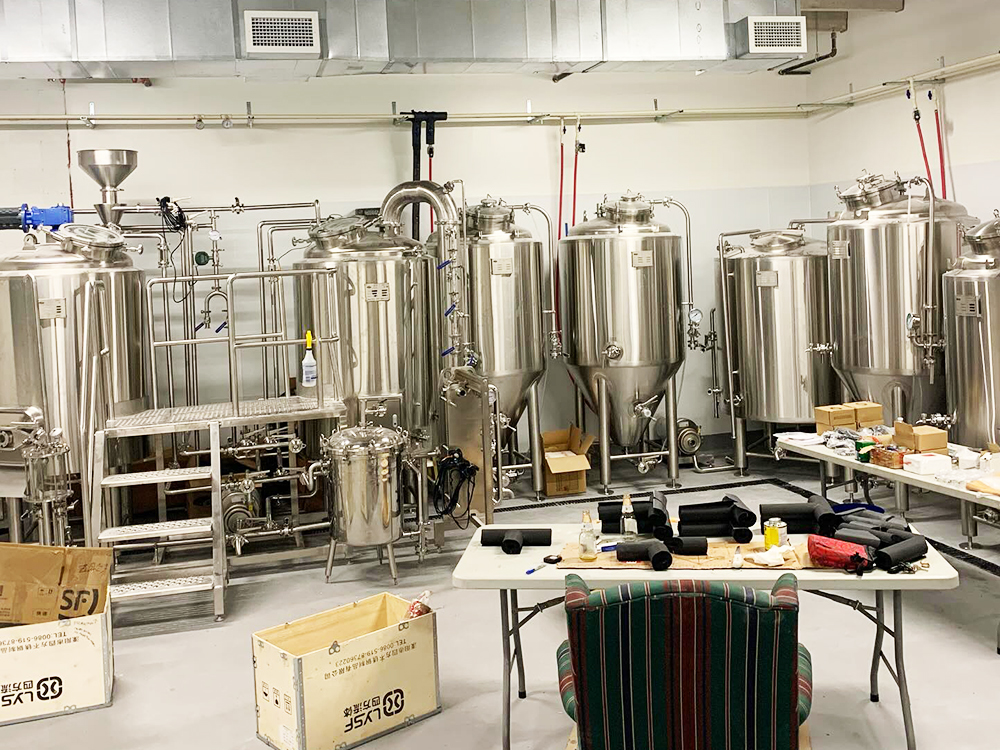
4. ¿Cómo funciona un Hop Back (proceso paso a paso)?
Así es como un cervecero suele utilizar el lúpulo en la producción:
Paso 1: Cargar el lúpulo de hoja entera en el depósito de lúpulo
Se prefiere el lúpulo entero porque Crean un lecho filtrante natural; No se descomponen como los pellets; Mantienen la forma en condiciones de calor. Algunos sistemas modernos utilizan lúpulo en pellets con una cesta filtrante especial, pero el lúpulo de hoja entera sigue siendo la norma.
Paso 2: Sellar y volver a precalentar el lúpulo
Los cerveceros suelen inundar la parte posterior del lúpulo con mosto caliente para precalentarlo. Esto Elimina el oxígeno; Evita el choque térmico; Prepara el lecho de lúpulo.
Paso 3: Bombear el mosto caliente del hervidor o del whirlpool
El mosto entra por la parte superior, cubriendo suavemente el lecho de lúpulo. Temperatura óptima: 85-98°C Esto permite la extracción sin volatilización.
Paso 4: El mosto fluye a través del lecho de lúpulo
A medida que pasa el mosto: Los aceites aromáticos se disuelven; los ácidos del lúpulo aportan un amargor suave; la materia vegetal filtra los turbios.
Paso 5: Salida del mosto hacia el intercambiador de calor
El mosto filtrado e infusionado con lúpulo fluye continuamente hacia: Intercambiador de calor de placas; Sistema de oxigenación; Fermentador.
Paso 6: El lecho de lúpulo se retira durante la limpieza
Los enjuagues CIP se utilizan tras la eliminación manual del material de lúpulo.
5. ¿Por qué utilizar un Hop Back? Principales ventajas para las cervecerías
Muchas cervecerías consideran beneficioso el lúpulo de retorno aunque ya utilicen adiciones de whirlpool o lúpulo seco.
5.1 Conseguir un aroma único que no es posible con otros métodos
El lúpulo produce aromas que son: Fresco, Floral, Tradicional, Con Cuerpo, Limpio. Este carácter distintivo es ideal para: English ales, West Coast IPA, Pale ales, Amber ales, Belgian ales, Aromatic lagers. El lupulado en seco no puede reproducir este carácter del lado caliente.
5.2 Protege el intercambiador de calor de obstrucciones
El lúpulo en pellets en el whirlpool se disuelve en partículas finas que pueden obstruir un intercambiador de calor de placas. Un hop back filtra el mosto antes de que llegue al sistema de refrigeración.
Esto reduce: La obstrucción, el ensuciamiento, la oxidación debida al desmontaje repetido, la ineficacia de la refrigeración, el largo tiempo de inactividad por limpieza. El hop back sirve como un excelente filtro de primera etapa.
5.3 Mejora la claridad y la calidad del mosto
El lecho de lúpulo elimina: Exceso de proteínas, Polifenoles, Material de ruptura, Polvo de lúpulo granulado. Una mejor calidad del mosto conduce a: Fermentaciones más sanas, Reducción de los residuos en el tanque, Sabor más limpio de la cerveza, Mejora de la claridad final.
5.4 Mejora la estabilidad del aroma
En comparación con el lupulado en seco, los aromáticos del lúpulo de retorno: Se oxidan más lentamente, Persisten más tiempo en la cerveza envasada, Producen menos notas herbáceas con el tiempo, No crean quemadura de lúpulo. Esto es útil para: Cerveza enlatada, Cerveza de exportación, Estilos lager, Requisitos de larga conservación.
5.5 Excelente para la elaboración de cerveza con bajo contenido en oxígeno (LODO)
Muchas cervecerías modernas utilizan respaldos de lúpulo con: CO₂ blanketing, transferencia en circuito cerrado, recipientes sellados para el lúpulo. Esto reduce la captación de oxígeno durante el procesamiento en caliente.
5.6 Ofrece a los cerveceros más control sobre las capas de sabor
Las adiciones de lúpulo se pueden escalonar de la siguiente manera: Lúpulo Kettle: amargor; Lúpulo Whirlpool: sabor suave; Lúpulo Back: aroma floral y brillante; Lúpulo Dry: aroma intenso extraído en frío. El uso de las cuatro etapas crea un perfil de lúpulo multidimensional.
6. ¿Cuándo debe utilizar una cervecera un Hop Back?
Un salto atrás es especialmente beneficioso en las siguientes situaciones:
▪ Usted elabora cervezas de estilo inglés o IPA clásicas. Este método es histórico y produce el característico aroma tradicional del lúpulo.
▪ Su carga de lúpulo de hidromasaje es grande. Un salto hacia atrás evita que se bloquee el intercambiador de calor.
▪ Desea un aroma de lúpulo brillante sin notas herbáceas de lúpulo seco. El lúpulo en retroceso crea aromas limpios y suaves.
▪ Desea una cerveza de larga conservación con aroma de lúpulo estable. No se oxida como el lúpulo seco.
▪ Se utiliza lúpulo de hoja entera. Un hop back es la herramienta perfecta para ellos.
▪ Desea una menor captación de oxígeno. Los respaldos de lúpulo cerrados admiten líneas de proceso LODO.
▪ Desea un paso de filtración antes del enfriamiento. Mejora la claridad del mosto en el fermentador.
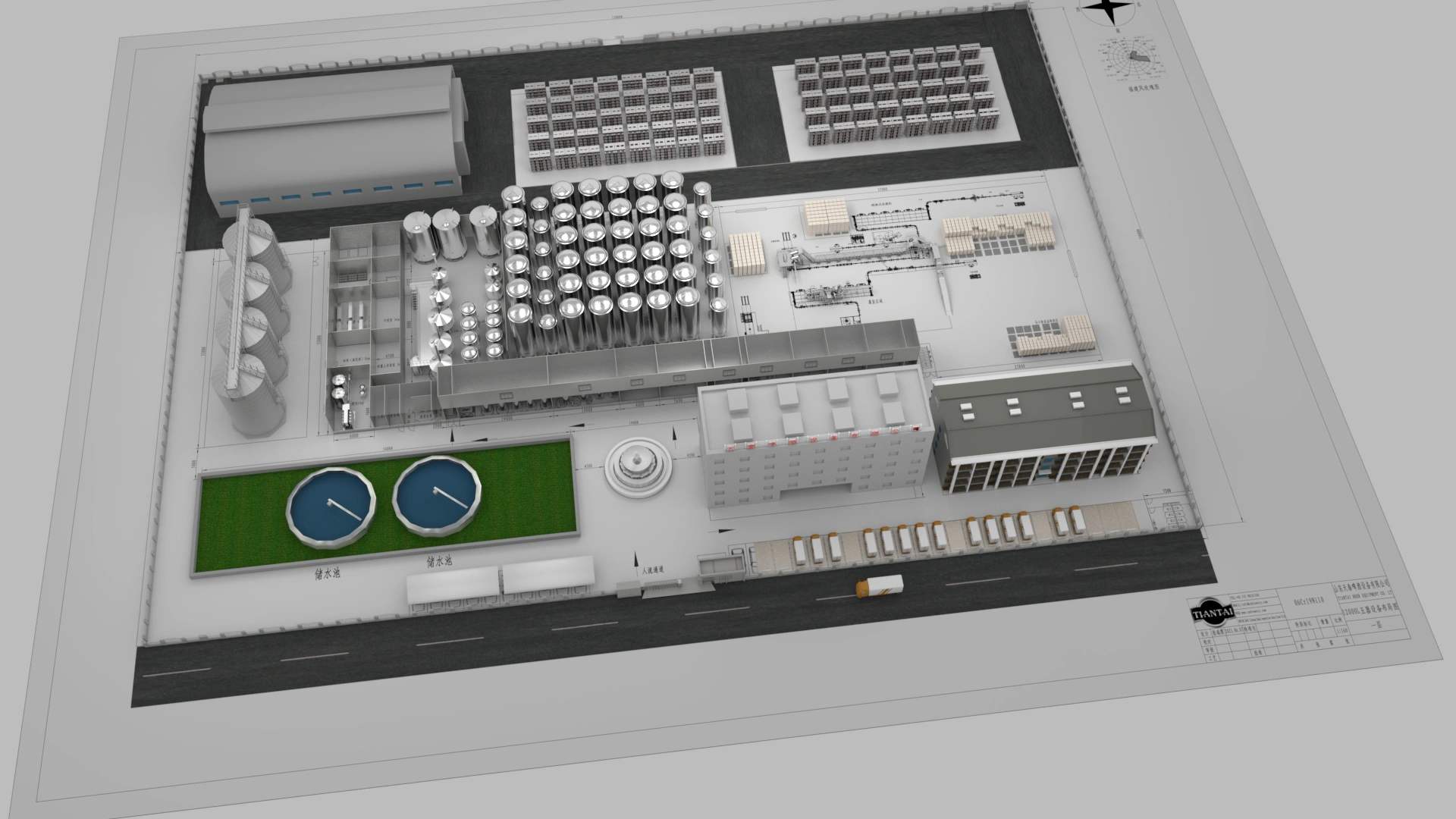
7. Diseño de espalda de salto estilo Tiantai
Los típicos respaldos de lúpulo Tiantai incluyen: Acero inoxidable 304/316, rejillas internas cortadas con láser, carcasa aislada, bola de pulverización CIP, puerto de ventilación de vapor, cesta de lúpulo entero (opcional), entrada de CO₂ para elaboración de cerveza con bajo nivel de oxígeno, indicador de nivel, diseño sin presión o ligeramente presurizado.
Tamaños a medida para salas de cocción de 500L a 20.000L
El lúpulo trasero es una potente herramienta de la sala de cocción que proporciona un perfil aromático de lúpulo único y tradicional, que ni el lúpulo en remolino ni el lúpulo seco pueden reproducir completamente. Además de la extracción de aroma, también sirve como un eficaz sistema de filtración que mejora la claridad del mosto y protege el intercambiador de calor de posibles obstrucciones.
Las cervecerías optan por utilizar un dorso de lúpulo para: Capturar delicados aceites de lúpulo, Obtener un perfil de aroma estable pero brillante, Reducir la exposición al oxígeno, Evitar el bloqueo del equipo, Mejorar la claridad, Producir un carácter de lúpulo clásico conocido de la elaboración tradicional inglesa.
Aunque no todas las cervecerías modernas lo utilizan, el hop back sigue siendo un equipo valioso y versátil, especialmente para los cerveceros que dan prioridad a la calidad del aroma, la fiabilidad del equipo y la estabilidad de la cerveza a largo plazo.
Editado por Daisy
[email protected]