A lot should be considered when you open your brewery like craft brewing tech, brewery equipment cost and price,find a location for brewery, license and regulation of a brewery. This article column is specially to answer some common question during brewing.You need to consider a lot when you open your brewery like craft brewing tech, brewery equipment cost and price,find a location for brewery, licenseand regulation of a brewery. This article column is specially to answer some common question during brewing.IPA is quite popular with customers.How is IPA Beer Brewed and Fermented with Brewery Equipment ?
India Pale Ale (IPA) is one of the most popular beer styles in the world, known for its bold hop-forward flavors, aromas, and higher alcohol content. The fermentation process of IPA beer is a crucial stage in its production, where yeast converts fermentable sugars into alcohol and carbon dioxide, while also developing complex flavors. The process occurs in a fermentation tank, an essential piece of equipment in a brewery. Here’s a detailed explanation of how IPA beer is fermented in a fermentation tank, broken down into various steps.
1. Preparation of Wort
Before fermentation can begin, the first key step is the creation of wort. Wort is the unfermented liquid that comes from boiling the mashed grains (typically barley) with hops and water. The hops are a key ingredient in IPAs, contributing to their signature bitterness and hop flavors. The wort is cooled down to a specific temperature to make it suitable for yeast to thrive, usually between 65°F and 75°F (18°C to 24°C) for ale fermentation.
Once cooled, the wort is transferred into the fermentation tank. At this stage, the wort is sterile and free from contaminants, as the boiling process has killed most bacteria and wild yeast.
2. Pitching the Yeast
The next step is “pitching” the yeast, which means adding yeast to the cooled wort. There are two primary types of yeast used in brewing: Saccharomyces cerevisiae (ale yeast) and Saccharomyces pastorianus (lager yeast). For IPA, brewers typically use ale yeast (S. cerevisiae), which ferments at warmer temperatures compared to lager yeast.
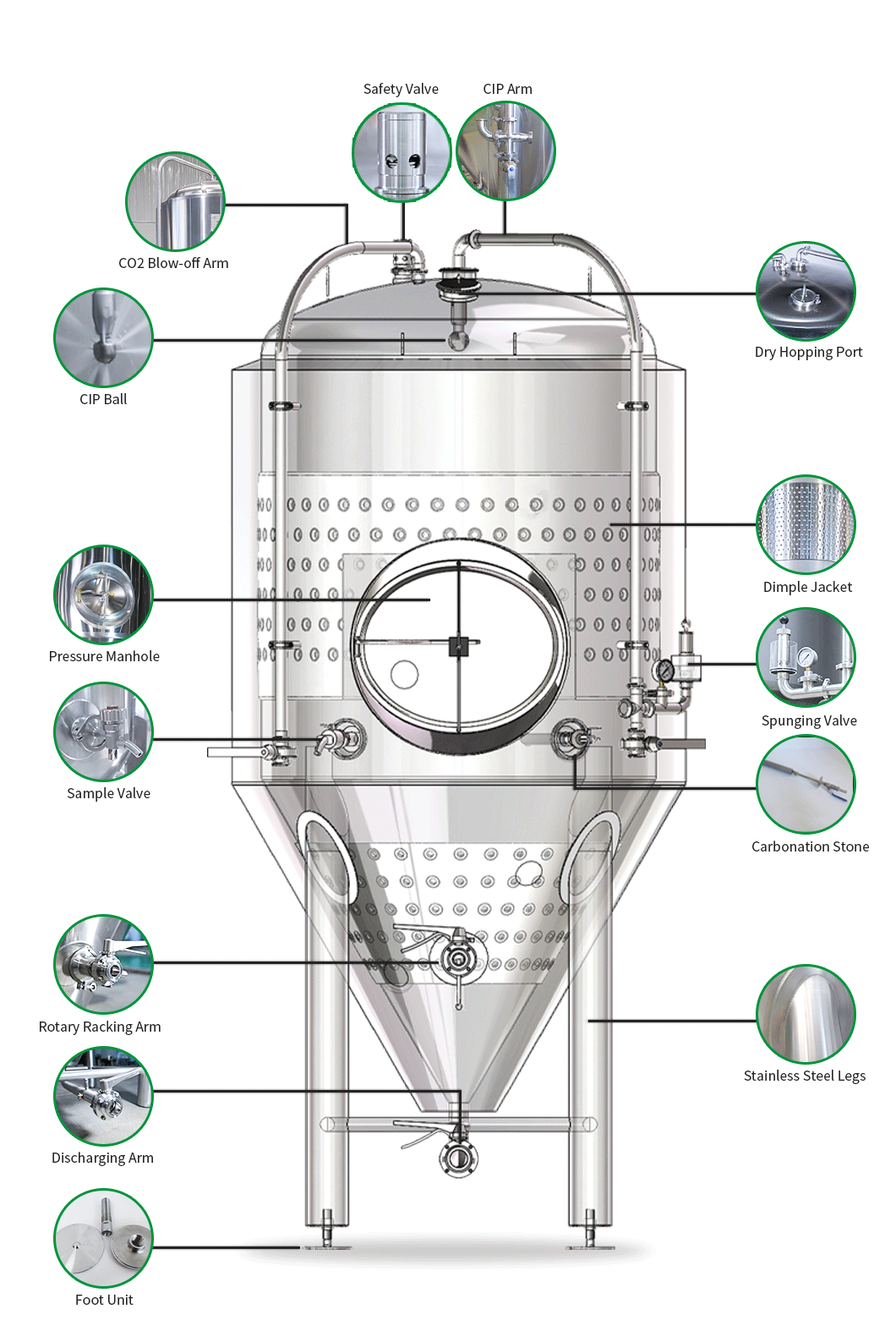
The yeast is added to the wort in either liquid or dry form. Once added, the yeast will begin to consume the sugars in the wort. The fermentation tank is usually sealed with an airlock to allow the carbon dioxide (CO2) to escape, preventing contamination while keeping the tank closed to external air.
3. Primary Fermentation
Primary fermentation is the initial stage where yeast starts to consume the fermentable sugars in the wort. During this phase, the yeast breaks down sugars like glucose, maltose, and other sugars present in the wort into alcohol and carbon dioxide (CO2) through a metabolic process called glycolysis and fermentation. For IPA, this process typically takes 1 to 2 weeks at the appropriate temperature, which can range from 65°F to 75°F (18°C to 24°C).
During fermentation, the yeast converts sugar into ethanol (alcohol) and CO2. This results in the formation of the characteristic alcohol content found in the beer, typically ranging from 6-8% alcohol by volume (ABV) for IPAs. While alcohol is the main product, the yeast also produces other compounds such as esters, phenols, and aldehydes, which contribute to the flavor profile of the beer.
IPAs are known for their aromatic hop flavors, and hops are often added during the boiling and fermentation stages to achieve these characteristics. However, hop flavors evolve during fermentation as well. For example, during primary fermentation, some hop compounds will continue to interact with the yeast and other ingredients, adding complexity to the beer’s aroma.
4. Monitoring Fermentation
Throughout the fermentation process, it’s important to carefully monitor several key factors to ensure a successful fermentation:
Control de la temperatura: Fermentation temperature is crucial to the health of the yeast and the final flavor of the beer. Yeast that is fermented too hot can create undesirable flavors such as fusel alcohols, while too cold a fermentation temperature may slow yeast activity, leading to incomplete fermentation.
Gravity Readings: Brewers regularly measure the specific gravity of the beer with a hydrometer. The gravity reading gives an indication of how much sugar remains in the wort, providing a measure of fermentation progress. The specific gravity of wort before fermentation is called the Original Gravity (OG), and after fermentation, it’s called the Final Gravity (FG). A drop in gravity indicates that fermentation is progressing as the yeast consumes sugar and converts it into alcohol.
Fermentation Activity: Fermentation activity can be visually observed through bubbling or foam formation in the airlock. The initial vigorous fermentation phase (the krausen) produces significant foam, which can be observed rising within the fermentation tank.
5. Secondary Fermentation and Dry Hopping
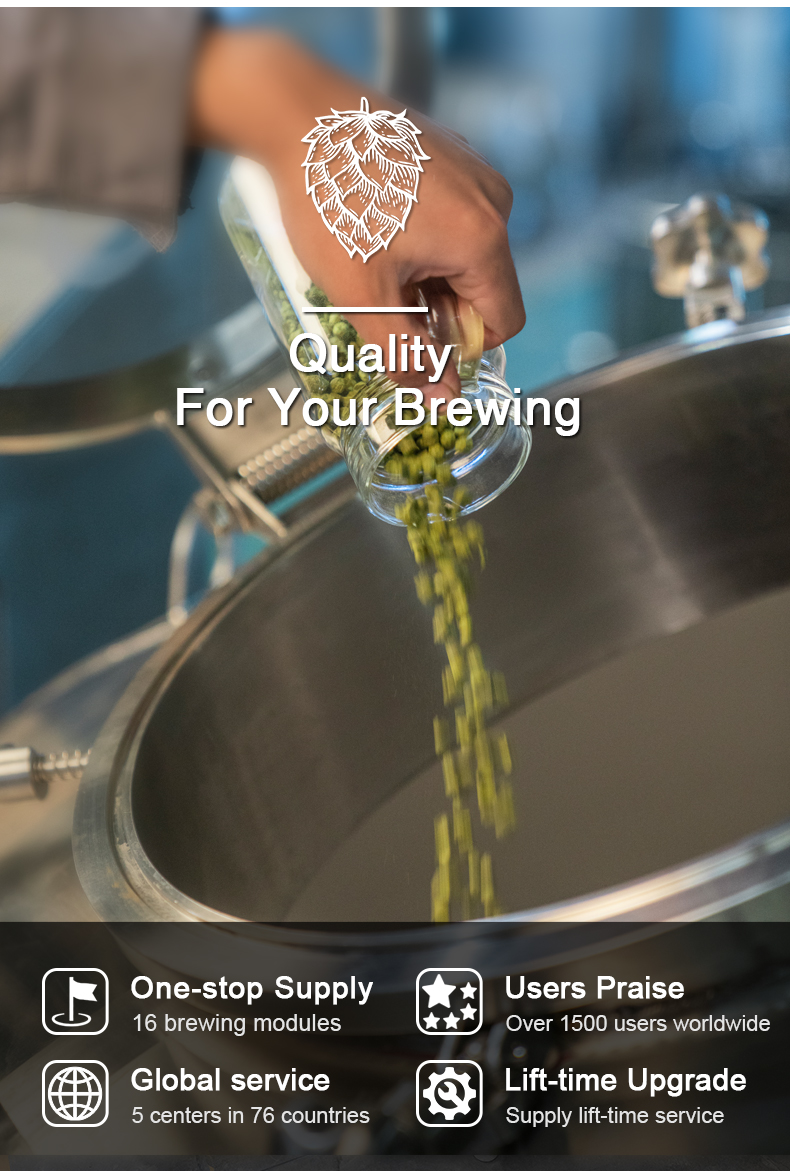
In the case of IPAs, a significant step in enhancing the beer’s aroma and hop profile occurs during secondary fermentation. After primary fermentation has slowed down, brewers often add additional hops to the beer during a process called “dry hopping.” This typically happens when fermentation has almost completed, usually around 7 to 10 days after pitching the yeast.
Dry hopping involves adding hops directly into the fermentation tank (or sometimes into a secondary vessel) without boiling them. This allows the hops to release aromatic oils, such as myrcene, humulene, and caryophyllene, which contribute to the characteristic piney, floral, citrusy, or fruity flavors found in IPAs. Because dry hopping occurs after the initial fermentation, it preserves the volatile hop compounds, which can otherwise be lost during the boil.
Dry hopping does not contribute to bitterness (since hops added after boiling do not isomerize), but it significantly boosts the aroma and flavor, which are key to an IPA’s appeal.
6. Conditioning and Carbonation
After fermentation and dry hopping, the beer typically undergoes a period of conditioning. This stage allows the beer’s flavors to meld together, resulting in a cleaner, smoother taste. Depending on the brewery, conditioning may take place in the same fermentation tank or be transferred to a conditioning tank or keg.
Conditioning can last anywhere from a few days to a few weeks. It allows the yeast to finish consuming any residual sugars and for any off-flavors or harsh alcohol notes to mellow out. This also gives the hops time to settle, which helps in clarifying the beer. Additionally, during conditioning, brewers often carbonate the beer by adding priming sugar or CO2 to achieve the desired level of carbonation.
7. Embalaje
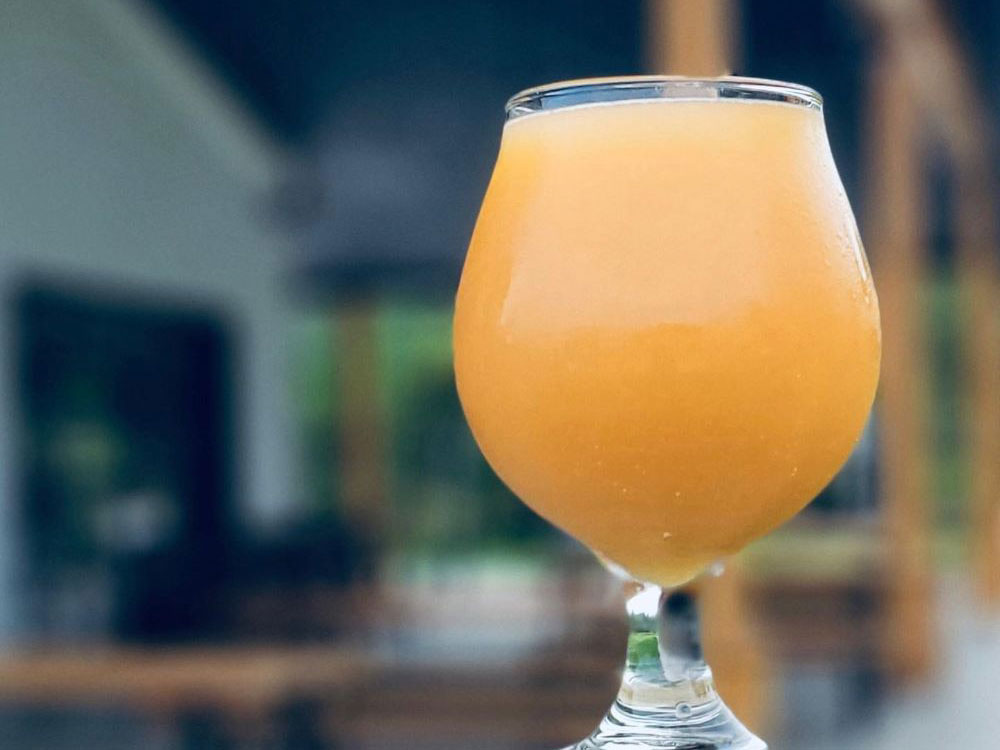
Once fermentation and conditioning are complete, the IPA is ready to be packaged for distribution. In many cases, breweries will filter the beer to remove remaining yeast and hop particles, producing a clearer beer. However, some IPAs, especially certain styles like “New England IPAs” or “Hazy IPAs,” are left unfiltered to preserve their hazy, juicy appearance and full-bodied mouthfeel.
The IPA is then packaged into bottles, cans, or kegs, ready for sale or consumption.
Conclusión
Fermentation is the backbone of IPA beer production, where yeast transforms the wort into an alcoholic beverage with complex aromas and flavors. From the initial pitching of yeast to the dry hopping and conditioning processes, each step in fermentation helps shape the distinct characteristics of the IPA, which is renowned for its bold hop flavors, bright aromas, and satisfying alcohol content. Understanding and managing the fermentation process is key to producing high-quality IPA beer, with temperature, yeast selection, and hop additions all playing significant roles in achieving the perfect brew.