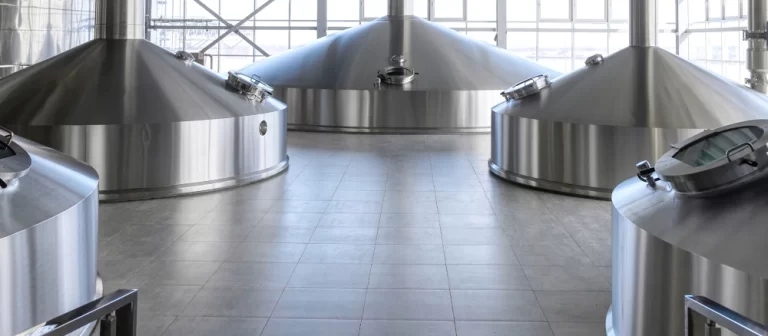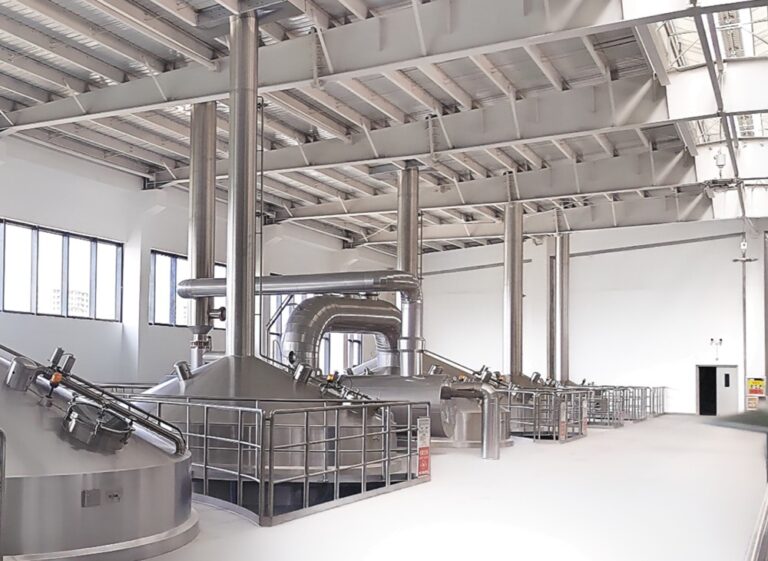
El mantenimiento y la limpieza adecuados del equipo de destilación son esenciales para garantizar la calidad del producto, la eficiencia operativa y la longevidad del equipo. Tanto si está destilando bebidas espirituosas, aceites esenciales u otros extractos botánicos, un alambique limpio es la base de un sabor consistente y de un funcionamiento seguro. He aquí una guía práctica para mantener su equipo de destilación en óptimas condiciones.
1. Por qué es importante limpiar
Los residuos de lotes anteriores -levadura, productos botánicos, aceites, alcoholes de fusel y depósitos minerales- pueden acumularse rápidamente en el interior del alambique. Si no se eliminan:
Los sabores y aromas desagradables se trasladan al siguiente lote.
La transferencia de calor se vuelve ineficaz
Puede producirse corrosión
Es posible la contaminación bacteriana
Las averías de los equipos son más probables
Una limpieza eficaz protege tanto su espíritu como su inversión.
2.Rutina de limpieza diaria
Una sencilla rutina de limpieza diaria previene la acumulación y facilita enormemente la limpieza en profundidad.
Después de cada carrera:
Aclara la olla o la caldera con agua templada mientras los residuos aún estén blandos.
Desagüe completamente: el líquido estancado puede provocar corrosión o proliferación de bacterias.
Retire y lave las piezas desmontables, como juntas, retenes y mallas de cobre.
Limpie las superficies exteriores para evitar la acumulación pegajosa de los derrames.
Evite utilizar detergentes fuertes en el interior de los equipos de cobre, ya que algunos limpiadores pueden dañar la superficie.

3.Limpieza in situ (CIP) para grandes sistemas
Para las destilerías comerciales, un sistema CIP ahorra tiempo, mano de obra y uso de productos químicos.
Un ciclo típico de PIC implica:
Aclarado con agua tibia para eliminar los restos sueltos
Lavado alcalino (limpiador cáustico o de grado cervecero) para disolver los residuos orgánicos
Enjuague ácido para eliminar las incrustaciones minerales y las sales de cobre
Aclarado final con agua limpia
La limpieza CIP reduce el fregado manual, garantiza resultados de limpieza uniformes y minimiza los tiempos de inactividad.
4.Cuidados especiales de las superficies de cobre
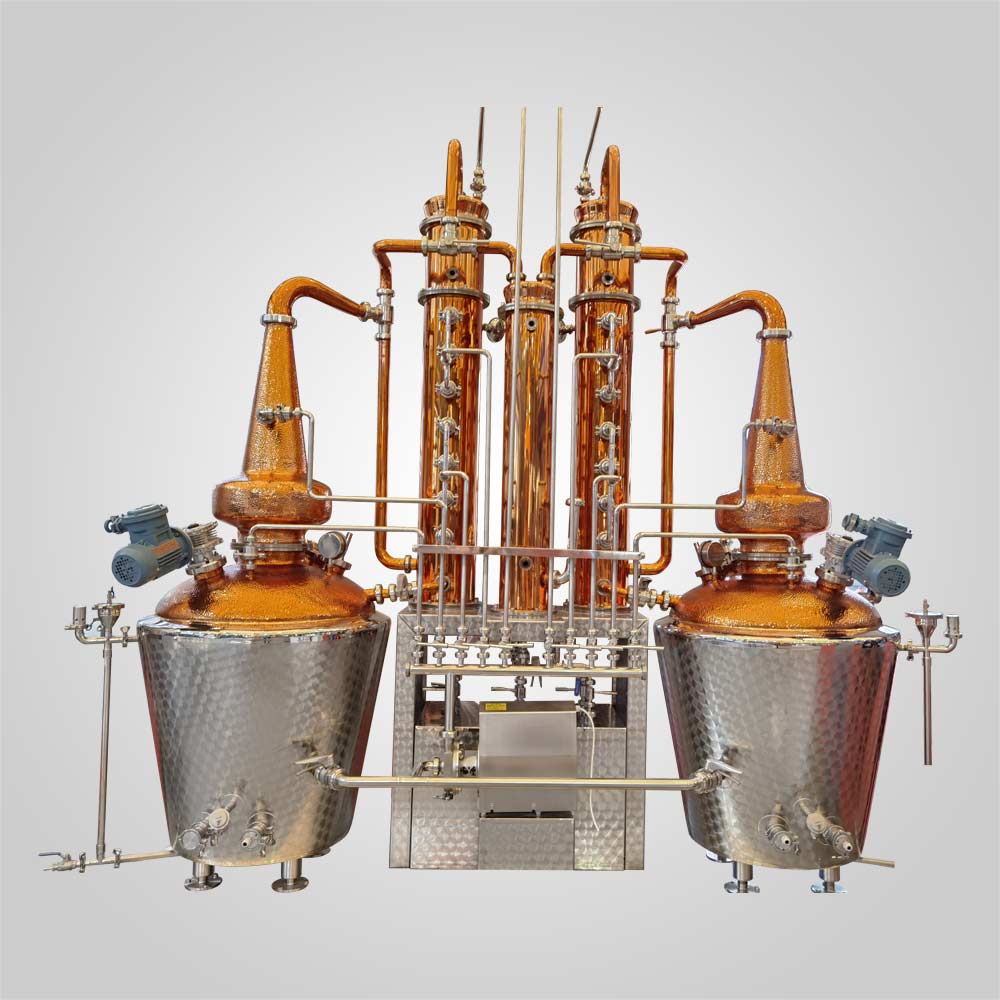
El cobre se utiliza ampliamente en la destilación por su capacidad para eliminar los compuestos de azufre y mejorar la calidad de las bebidas espirituosas. Sin embargo, requiere un mantenimiento cuidadoso.
Consejos clave:
Aclarar a fondo después de cada uso para evitar que los residuos ácidos del lavado corroan el cobre.
Utilice ácido cítrico o un limpiador específico para cobre para eliminar el deslustre.
Evite los estropajos abrasivos, ya que rayan las superficies y provocan picaduras.
No lo pules en exceso: una ligera pátina protege el cobre de la corrosión.
Recuerde que el cobre en la ruta de vapor (por ejemplo, brazos de lyne, columnas) necesita una atención especial porque es donde la eliminación de azufre es más activa.
5.Limpieza del condensador
Un condensador sucio reduce la eficacia de la refrigeración y puede provocar una condensación incompleta.
Enjuague con agua tibia después de cada carrera
Utilice periódicamente un limpiador alcalino suave para eliminar los depósitos orgánicos.
Compruebe si hay acumulación de cal si utiliza agua dura
Inspeccione si hay fugas o restricciones de caudal
Mantener limpio el condensador garantiza un rendimiento estable y evita las fluctuaciones de temperatura.
6.Inspeccione regularmente juntas, empaquetaduras y soldaduras
Estos pequeños componentes pueden causar grandes problemas si se descuidan.
Compruebe si hay grietas o desgaste en las juntas de silicona o EPDM.
Asegúrese de que los racores tri-clamp cierran herméticamente
Inspeccione las soldaduras y las juntas para detectar los primeros signos de corrosión.
Lubrique las juntas con lubricante alimentario si lo recomienda el fabricante.
El mantenimiento proactivo evita fugas, problemas de presión y contaminación.
7.Programar la limpieza a fondo
Incluso con el aclarado diario, es esencial realizar una limpieza en profundidad cada pocas semanas o después de una producción intensa.
La limpieza profunda debe incluir:
Lavado ácido para eliminar la cal
Limpieza de los platos o empaquetaduras de la columna
Sumergir las piezas desmontables en una solución limpiadora
Inspección minuciosa de todo el sistema
Documentar su programa de limpieza también ayuda a mantener el cumplimiento de las normas de seguridad alimentaria.
Reflexiones finales
Mantener y limpiar eficazmente el equipo de destilación es cuestión de constancia y cuidado. Con rutinas diarias adecuadas, inspecciones regulares, prácticas de limpieza seguras para el cobre y un mantenimiento en profundidad programado, protegerá tanto su equipo como la calidad de cada lote que produzca.
La empresa Tiantai puede proporcionarle una gama completa de equipos de destilería de 50L a 5000L, si le interesa algún equipo de destilería, no dude en ponerse en contacto con nosotros para un presupuesto.
Gracias, señor.
Helen