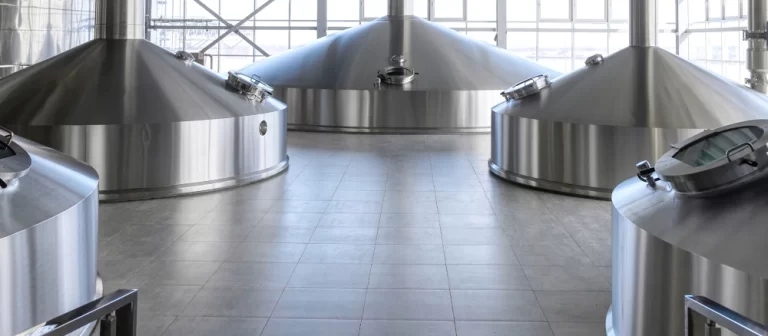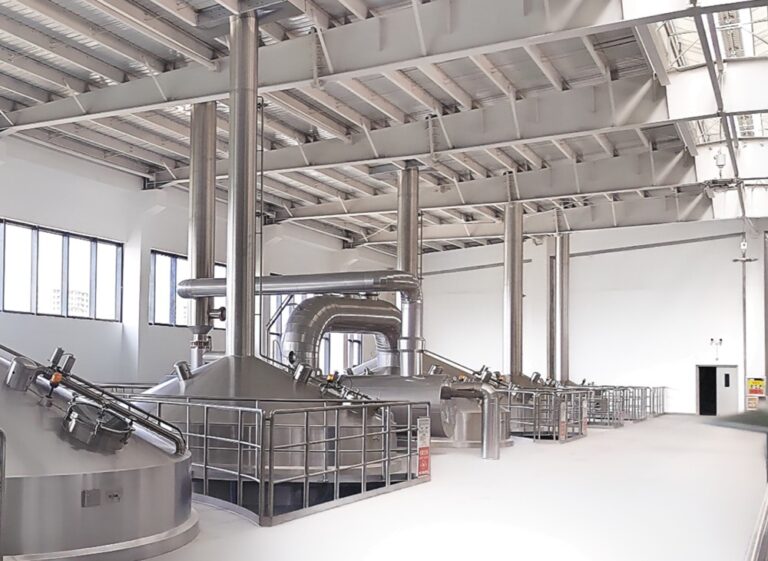
Mead is one of the oldest alcoholic beverages in human history, yet it is experiencing a powerful modern revival. As consumers seek craft, natural, and heritage-driven beverages, meaderies are emerging across markets once dominated by beer and wine.
If you are planning to start a mead production facility, this guide will walk you through the essential steps — from raw materials and equipment selection to fermentation design, quality control, and commercial scaling.

1. Understanding Mead Production
Mead is an alcoholic beverage made by fermenting honey with water, using yeast. Unlike beer, mead does not require mashing grains. Unlike wine, it is not dependent on seasonal fruit harvests.
The core production stages are:
- Honey preparation
- Must formulation (honey + water mixture)
- Fermentación
- Clarification and stabilization
- Aging (optional)
- Embalaje
The simplicity of ingredients makes process control and sanitation even more critical.
2. Defining Your Business Model
Before purchasing equipment, determine your production concept:
- Traditional still mead
- Sparkling mead
- Fruit mead (melomel)
- Spiced mead (metheglin)
- Barrel-aged mead
Your product style will influence:
- Tank selection
- Carbonation system requirements
- Filtration level
- Aging capacity
- Packaging format (bottle, can, keg)
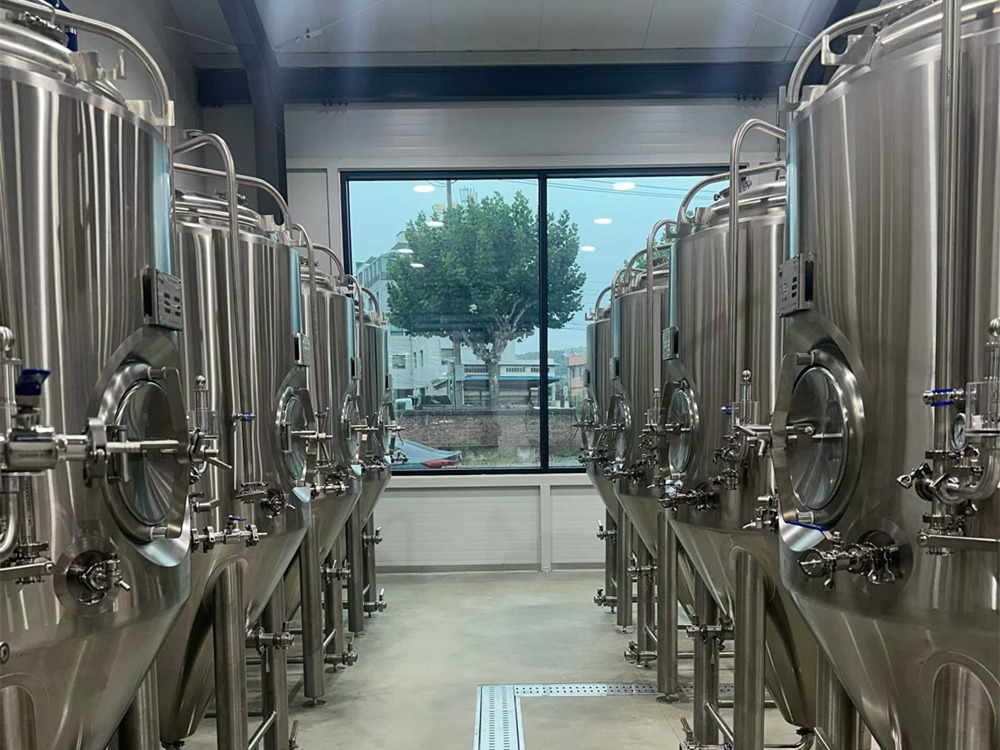
3. Facility Planning and Layout
A well-designed facility improves workflow, hygiene, and scalability.
Key Zones in a Mead Production Facility
Raw material storage (honey, yeast, adjuncts)
Honey dissolution and mixing area
Fermentation room (temperature controlled)
Conditioning / aging room
Filtration & stabilization area
Línea de envasado
Almacenamiento en frío
Laboratory / QC room
For small commercial production (3,000–10,000 liters per month), a space of 200–400 square meters is often sufficient.
4. Core Equipment for a Mead Production Facility
4.1 Honey Handling & Mixing System
Because honey is highly viscous, you will need:
Stainless steel honey storage tanks (with heating jacket optional)
Honey melting tank (40–50°C controlled heating)
Mixing tank with agitator
Hot water system
Gentle heating is critical. Excessive heat can degrade honey aromatics and increase HMF levels.
4.2 Fermentation Tanks
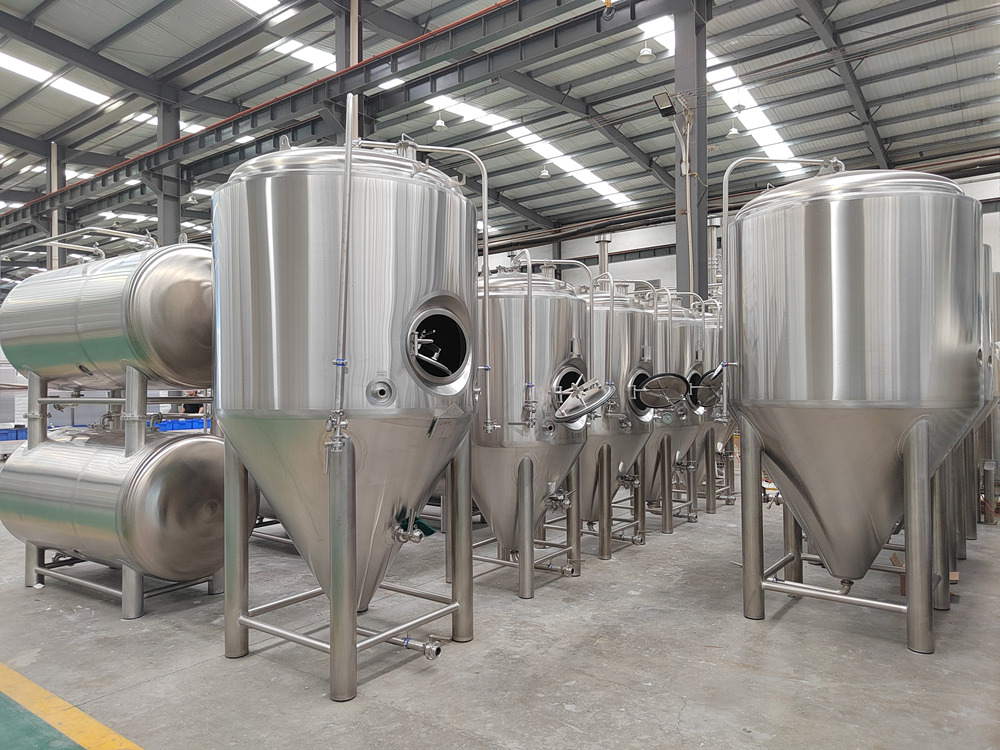
The most important investment in your meadery is fermentation capacity.
High-quality stainless steel fermenters should include:
Chaqueta refrigerante
Temperature probe
Válvula limitadora de presión
Sampling valve
CIP spray ball
Fermentation temperatures typically range from 15–22°C depending on yeast strain and flavor goals.
Mead fermentation may take 2–4 weeks, longer than most beer fermentations.
4.3 Yeast Management
Yeast health is crucial because honey lacks many nutrients found in malt or grapes.
You may need:
Yeast propagation tank (optional for larger facilities)
Nutrient dosing system
Oxygenation system
4.4 Clarification and Stabilization
Mead often requires clarification to achieve brilliance.
Options include: Plate & frame filter, Cartridge filtration, Centrifuge (for larger operations)
For stabilization: Cold crashing, Potassium sorbate & sulfite dosing (depending on regulations), Pasteurization system (optional)
4.5 Carbonation System (For Sparkling Mead)
If producing sparkling mead: Bright tank rated for pressure, CO₂ injection system, Counter-pressure filling machine
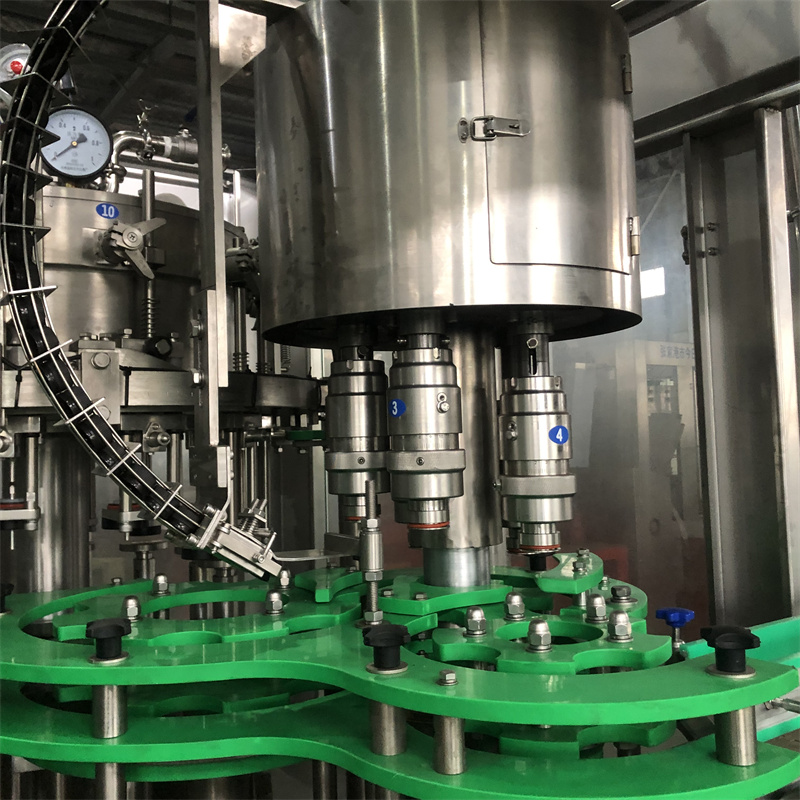
4.6 Packaging Line
Your packaging format defines your line configuration.
For bottles: Bottle washer–Filling machine–Corking or capping machine–Labeling machine
For cans: Can filling line–Seamers–Pasteurization tunnel (optional)
5. Utility Requirements
Starting a mead production facility requires stable utilities:
Clean water supply
Drainage system
Sistema de refrigeración por glicol
Air compressor
Steam boiler (if pasteurization or heating system used)
Electrical power
Energy efficiency should be considered during design to reduce long-term operating costs.
6. Quality Control & Laboratory Setup
A professional meadery must monitor:
Contenido de azúcar (Brix)
pH
Alcohol by volume (ABV)
Residual sugar
Microbial stability
HMF levels (for honey quality control)
Basic lab equipment includes:
pH meter
Hydrometer or densitometer
Refractometer
Microscope
Incubator
7. Regulatory Considerations
Depending on your country, you may require:
Alcohol production license
Food safety certification (HACCP / GMP)
Label approval
Excise tax registration
Always confirm alcohol regulations before equipment investment.
8. Scaling Strategy
Many successful meaderies start small and expand gradually.
Example growth path:
Year 1: 5,000 L/month
Year 2: 12,000 L/month
Year 3: 30,000 L/month
Choose fermenters that allow modular expansion.
9. Estimated Investment
Approximate equipment investment ranges:
Small craft facility (5–10 HL batch size): USD $80,000 – $150,000
Medium commercial facility (20–50 HL batch size): USD $250,000 – $600,000
Large automated facility: USD $1 million+
Costs vary depending on automation, packaging speed, and local installation expenses.
10. Common Mistakes to Avoid
Underestimating fermentation time
Skipping temperature control
Poor sanitation
Overheating honey
Ignoring nutrient management
Buying undersized fermenters
11. Why Mead Is a Strong Market Opportunity?
Mead benefits from:
Gluten-free positioning
Natural ingredient appeal
Craft beverage trend
High margin potential
Flexible flavor innovation
With proper branding and production control, a meadery can differentiate itself easily compared to saturated beer markets.
Starting up a mead production facility requires thoughtful planning, technical knowledge, and the right equipment selection. While the process is simpler than beer brewing, fermentation management and sanitation standards must remain high.
A well-designed meadery focuses on:
✔Gentle honey handling
✔ Controlled fermentation
✔ Effective clarification
✔ Professional packaging
✔ Scalable equipment
If properly executed, mead production can become a profitable and sustainable craft beverage business in today’s growing premium alcohol market.
Editado por Daisy
[email protected]