As kombucha production scales from home brewing to industrial manufacturing, one of the most misunderstood yet essential components is the starter liquid. Whether you are building a pilot workshop or a 100 ton/day kombucha factory, understanding the role of starter liquid—and designing proper equipment to manage it—is fundamental for product consistency, microbial control, and long-term operational stability.
This article explains what kombucha starter liquid is, how it differs from old liquid or starter tea, and what equipment is required for professional production.
1. What Is Kombucha Starter Liquid?
Kombucha starter liquid (also called starter tea or seed liquid) is the actively fermented liquid used to inoculate fresh sweet tea and initiate fermentation.
It contains: Acetic acid bacteria (AAB), Yeasts (Saccharomyces and other strains), Organic acids, Enzymes, Residual nutrients and Low pH (typically 2.5–3.5).
Starter liquid is not simply “old kombucha.” It is a biologically active culture medium that ensures:
Fast pH drop in new batches, Controlled fermentation, Microbial safety, Stable flavor development.
Without starter liquid, fermentation becomes unpredictable and unsafe.
2. Starter Liquid vs. SCOBY vs. Old Liquid
In kombucha production, three related but different terms are often confused.
2.1 SCOBY
The SCOBY (Symbiotic Culture of Bacteria and Yeast) is the cellulose biofilm that floats on top of fermenting tea.
It is primarily: A structure created by bacteria, A protective microbial environment, A carrier of microorganisms.
However, the SCOBY itself is not the main fermentation driver in commercial production. The liquid phase contains the active microbial concentration.
2.2 Old Liquid
Old liquid refers to previously fermented kombucha from a finished batch.
It may contain: Active microorganisms, Organic acids, Alcohol (variable), Yeast sediment.
But not all old liquid qualifies as high-quality mother liquid. Poor storage, contamination, or flavor drift may reduce its suitability.
2.3 Starter Liquid (Starter Culture Liquid)
Starter liquid is:Carefully selected, Microbiologically stable, Controlled in acidity, Maintained under hygienic conditions, Used in consistent inoculation ratios (usually 5–20%).
In commercial production, starter liquid is often maintained in a dedicated tank system separate from finished product tanks.
3. Why Is Starter Liquid So Important in Commercial Production?
When scaling production to 10 tons, 50 tons, or even 120 tons per day, fermentation stability becomes critical.
Starter liquid ensures:
3.1 Rapid Acidification
Fresh sweet tea has a pH around 5.0–5.5.
After adding starter liquid: pH quickly drops below 4.2, Pathogenic bacteria growth is inhibited, Fermentation becomes microbiologically safe.
Without proper starter liquid dosage, contamination risk increases dramatically.
3.2 Flavor Consistency
Starter liquid defines: Acid profile, Ester development, Yeast behavior, Alcohol formation, Fermentation speed.
Inconsistent starter liquid leads to: Overly sour batches, Alcohol exceeding 0.5%, Weak flavor, Excessive carbonation.
3.3 Production Efficiency
Strong starter liquid: Reduces fermentation time, Improves tank turnover, Enhances capacity utilization, Stabilizes large-scale operations.

4. How Is Starter Liquid Produced?
Commercial starter liquid production follows a controlled process:
Prepare sweet tea (water + tea + sugar)
Cool to 25–30°C
Add active starter culture
Ferment under controlled conditions
Monitor pH and acidity
Harvest portion as starter liquid
Maintain reserve for next generation
Typical fermentation time: 5–10 days
Starter liquid acidity: Total acidity 4–8 g/L (depending on production standard)
5. Equipment Required for Starter Liquid Management
Industrial kombucha production requires dedicated equipment to ensure stable starter liquid quality.
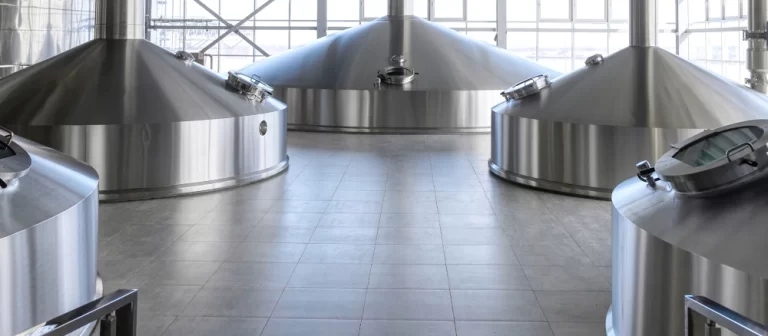
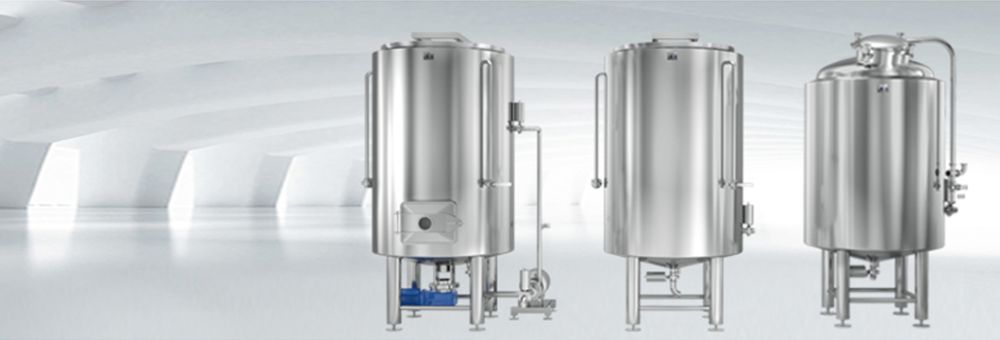
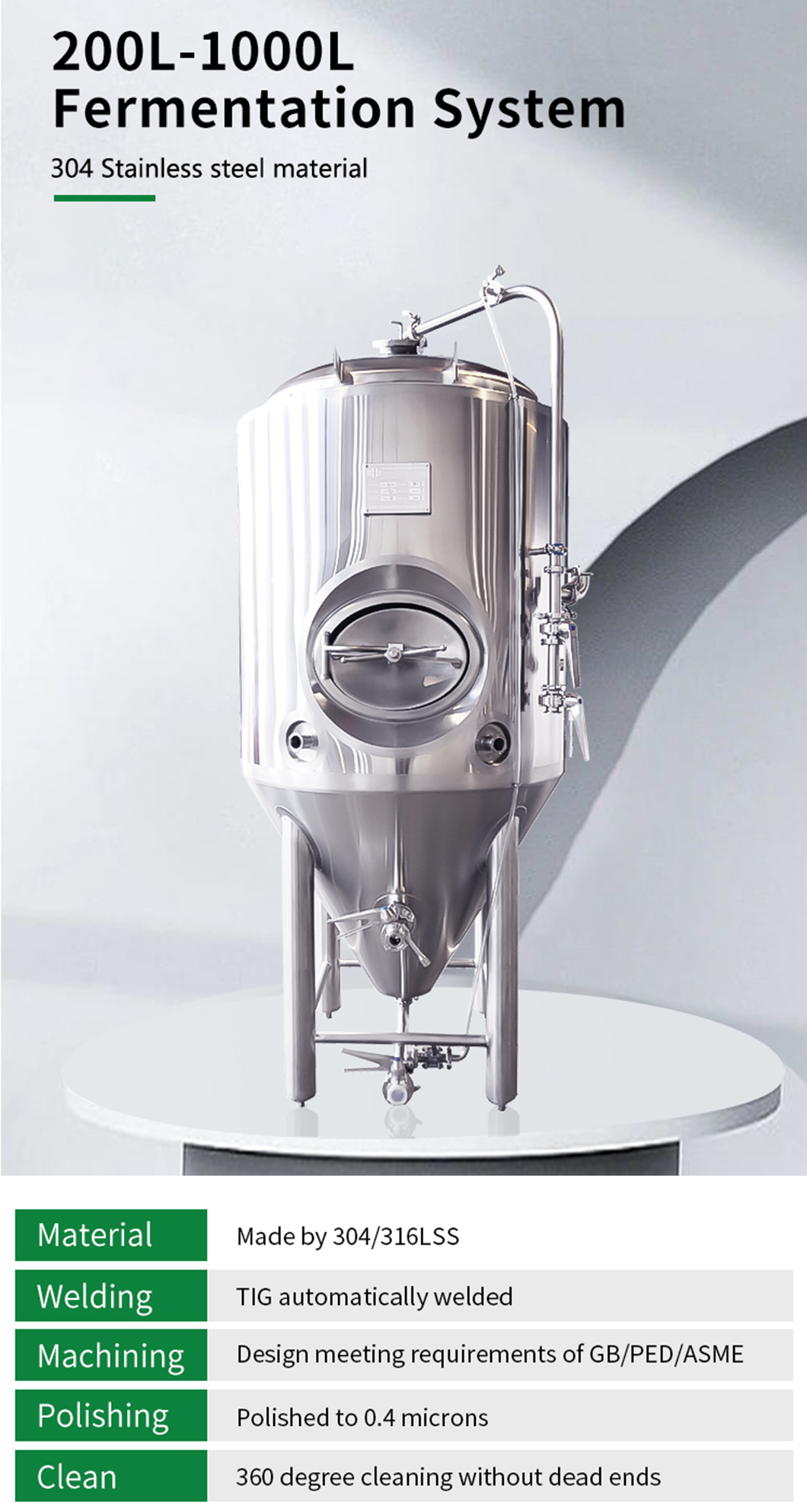
5.1 Starter Liquid Fermentation Tank
This is separate from main production fermentation tanks.
Tank features have Food-grade stainless steel (SUS304 or SUS316), Insulated body, Temperature control jacket, Sampling valve, CIP spray ball, Bottom discharge, Vent with sterile filter.
Typical capacity, there is 2 tons, 5 tons, 10 tons.
For a 120-ton/day plant, multiple starter liquid tanks are recommended for rotation and redundancy.
5.2 Temperature Control System
Fermentation temperature significantly affects microbial balance.
Ideal range: 25–30°C
Required equipment: Glycol chiller, Heat exchanger, Temperature sensors, PLC control
Uncontrolled temperature may cause: Excess alcohol, Weak acidity, Slow fermentation, Contamination risk.
5.3 Sterile Air System
Starter liquid fermentation requires oxygen for acetic acid bacteria.
Essential components: Air compressor, Air dryer, Sterile air filter (0.22 micron), Flow control valve
Contaminated air is one of the main causes of production failure.
5.4 CIP Cleaning System
Starter liquid tanks must be cleaned and sanitized regularly.
CIP system includes: Caustic tank, Acid tank, Hot water tank, CIP pump, Piping loop.
Automatic CIP improves: Hygiene consistency, Labor efficiency, Microbial safety.
5.5 Laboratory Testing Equipment
Starter liquid quality must be tested daily.
Required instruments: pH meter, Brix meter, Alcohol analyzer, Titration setup (acidity test), Microscope (yeast observation), Microbiological incubator.
For export-oriented factories, alcohol testing is critical to ensure compliance with regulations (often <0.5% ABV).
5.6 Storage Buffer Tank
After production, starter liquid should be stored at: 4–10°C (short-term storage), Low oxygen exposure, Closed sanitary system.
Storage tank features, there is Cooling jacket, Agitator (optional), CO₂ blanket (optional), Hygienic valve set.
6. How Much Starter Liquid Is Needed?
Typical inoculation ratio: 5–20% of total volume
Example:
For a 20-ton fermentation tank: 2 tons starter liquid (10%)
For 120 tons/day production: 12 tons starter liquid per batch (if 10%)
Therefore, production planning must consider starter liquid generation capacity.
7. Common Problems in Starter Liquid Management
7.1 Over-Acidification
If acidity becomes too high: Yeast activity decreases, Fermentation slows, Flavor becomes harsh.
Solution: Control fermentation duration, Blend fresh starter, Monitor total acidity.
7.2 Alcohol Exceeding Limits
Yeast imbalance can cause: Alcohol >0.5%, Legal compliance issues.
Solution: Optimize oxygen supply, Control sugar concentration, Monitor fermentation time.
7.3 Contamination
Signs: Mold formation, Off-odor, Unusual turbidity
Prevention: Strict CIP procedures, Sterile air, Closed system design, Personnel hygiene
8. Independent Starter Liquid Tank Design for Large Factories
For industrial kombucha plants, it is recommended to:
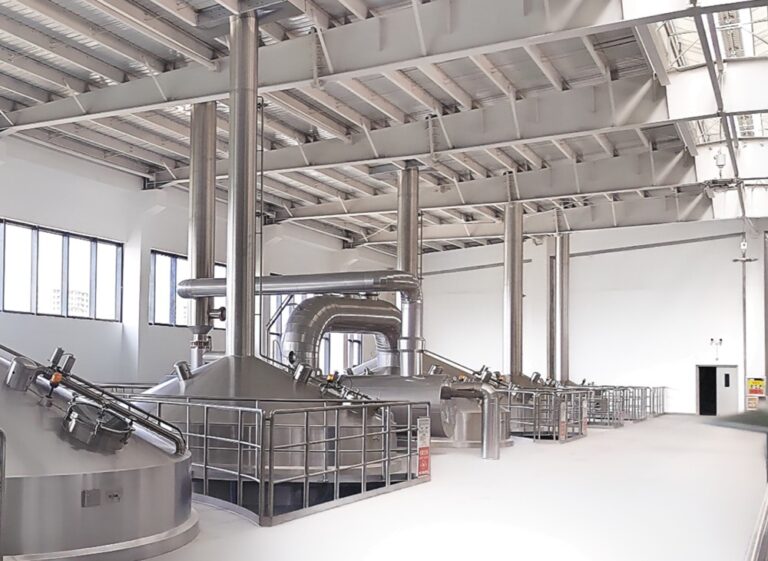
Establish independent starter liquid room
Maintain positive air pressure
Separate raw material flow from starter culture area
Implement batch tracking system
This design improves: Biosecurity, Traceability, Operational reliability
9. Scaling Considerations
As production grows:
Small Workshop (1–5 tons/day):
Single 1–2 ton starter liquid tank
Semi-manual control
Medium Factory (20–50 tons/day):
2–3 dedicated starter tanks
Automatic temperature control
Laboratory QC
Large Industrial Plant (100+ tons/day):
Multi-tank starter system
Automated CIP
PLC fermentation management
Alcohol compliance testing
Redundant culture backup
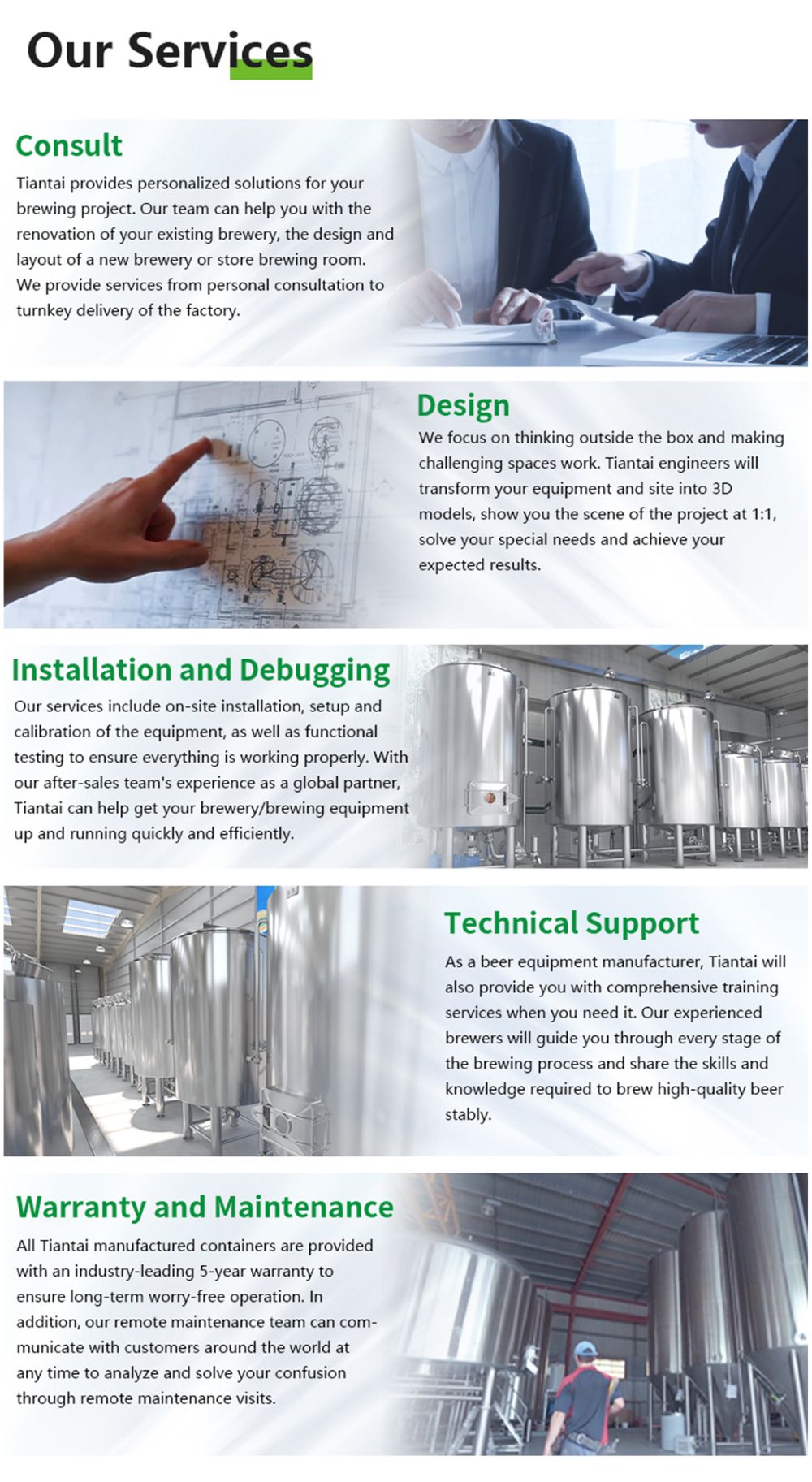
Kombucha starter liquid is the biological foundation of every batch. It is not simply leftover kombucha—it is a carefully maintained, microbiologically active culture system that determines Fermentation safety, Product consistency, Alcohol control, Flavor profile, Production efficiency.
In commercial kombucha manufacturing, professional equipment design for starter liquid management is not optional—it is essential. A well-designed starter liquid system includes:
Dedicated fermentation tanks, Precise temperature control, Sterile air supply, CIP sanitation, Laboratory monitoring, Proper storage and rotation.
If you are planning a commercial kombucha project, especially at 20 tons or 120 tons per day, designing the starter liquid system should be the first engineering step—not an afterthought.
Stable culture means stable business.
Editado por Daisy
[email protected]