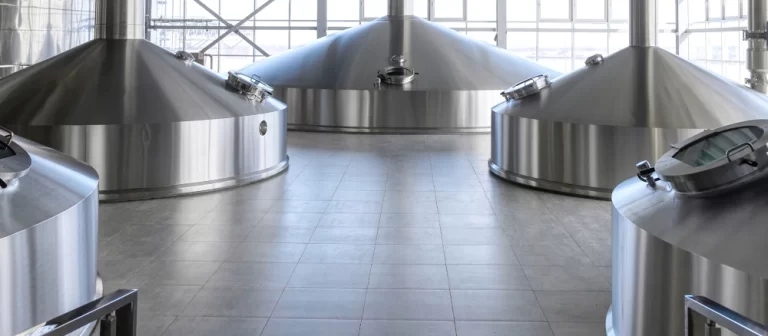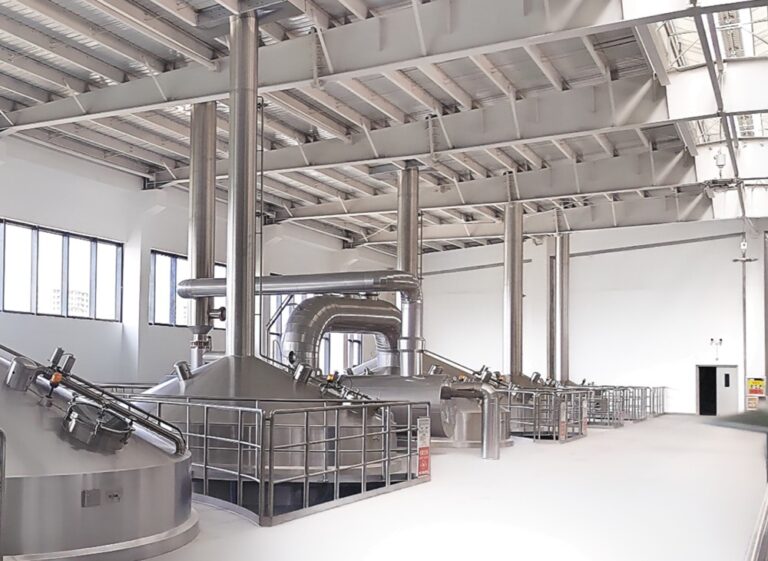
El acero inoxidable es la piedra angular de las cervecerías modernas, apreciado por su durabilidad, higiene y resistencia a la corrosión. Sin embargo, muchos cerveceros se sorprenden al descubrir que incluso los tanques, fermentadores o tuberías de acero inoxidable pueden desarrollar manchas de óxido. Entender por qué ocurre esto es esencial para mantener la longevidad del equipo y garantizar la calidad de la cerveza.

1.El acero inoxidable no es totalmente a prueba de óxido
A pesar de su nombre, el acero inoxidable no es totalmente inmune a la corrosión. Su resistencia a la corrosión procede de una fina capa de óxido de cromo que se forma naturalmente en la superficie. Esta capa protege el metal de la oxidación. Sin embargo, si esta capa protectora se raya, daña o contamina, el acero que hay debajo puede corroerse, dando lugar a óxido.
2.Causas comunes de la oxidación en las fábricas de cerveza
A.Cloruros y sales
Los cloruros presentes en las soluciones de limpieza, el agua o incluso los restos de sal de los ingredientes pueden atacar la capa protectora de óxido, sobre todo si permanecen en la superficie durante mucho tiempo.
B. Daños mecánicos
Los arañazos, abolladuras o abrasiones producidos por herramientas, cepillos de limpieza o equipos en movimiento pueden romper la capa de óxido de cromo, creando puntos vulnerables en los que puede formarse óxido.
C.Limpieza o secado inadecuados
Si el equipo de la cervecería no se aclara a fondo después de la limpieza o permanece húmedo durante períodos prolongados, el agua y los productos químicos pueden causar corrosión localizada.
D. Calidad del material
El acero inoxidable de calidad inferior contiene menos cromo o níquel, por lo que es más susceptible a la oxidación. El uso de acero inoxidable 304 o 316 de calidad alimentaria es crucial para las aplicaciones cerveceras.
3.Cómo prevenir la oxidación
Utilice acero inoxidable de alta calidad: los grados 304 o 316 son ideales para tanques y tuberías de cervecería.
Limpieza y aclarado adecuados: Evite dejar residuos de limpiadores a base de cloro o sales.
Manipulación cuidadosa: Evita arañazos y abolladuras que comprometan la capa protectora.
Secar bien: Después de limpiar o desinfectar, asegúrese de que los tanques y el equipo estén secos antes de almacenarlos.
Inspección periódica: Compruebe las soldaduras, esquinas y juntas, que son más propensas a la corrosión.
Conclusión
El óxido en los equipos de acero inoxidable de las cervecerías suele deberse a daños en la superficie, exposición a productos químicos o retención de humedad, más que a un fallo del material en sí. Utilizando acero inoxidable de alta calidad, siguiendo protocolos de limpieza adecuados y protegiendo la superficie metálica de arañazos, los cerveceros pueden garantizar que sus equipos permanezcan libres de óxido, higiénicos y duraderos.
El mantenimiento del equipo de acero inoxidable de su fábrica de cerveza no es sólo una cuestión estética, sino también de calidad constante de la cerveza y eficacia operativa. Con el cuidado adecuado, sus tanques y fermentadores de acero inoxidable ofrecerán años de rendimiento fiable.
Muchas gracias por su lectura.
Helen