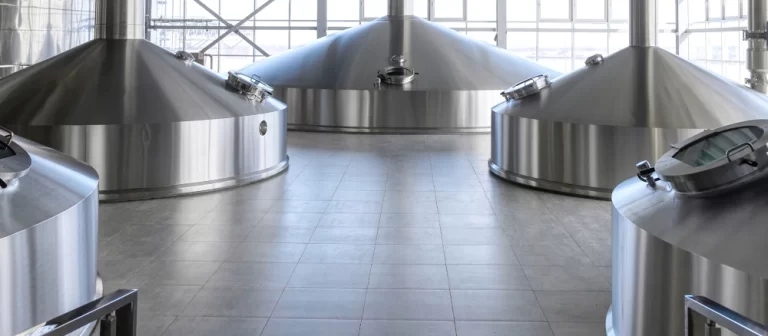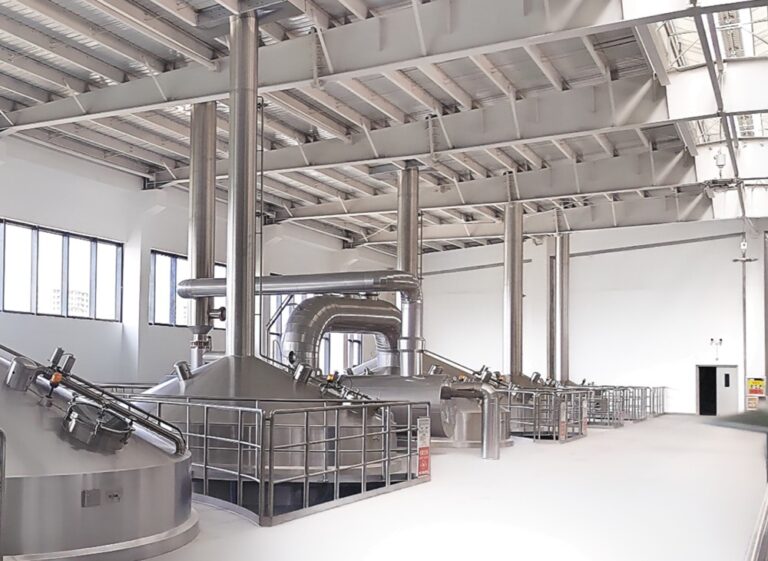
What Is a Grappa Distillation System?
A Grappa distillation system is a specialized distillation equipment designed to produce Grappa, a traditional Italian grape spirit made from grape pomace (marc) — the solid residues left after winemaking, including grape skins, seeds, and small amounts of grape pulp.
Unlike wine distillation systems, which distill fermented grape wine, Grappa distillation focuses on extracting alcohol and aromatic compounds from solid grape residues. The system is specially designed to handle materials with high solid content and preserve the unique grape aromas during distillation.
The key feature of a Grappa distillation system is its ability to process semi-solid raw materials, using technologies such as:
- Direct steam injection
- Perforated baskets for grape pomace loading
- Steam jacket heating
- Gentle low-temperature distillation
- Copper contact surfaces for aroma refinement
- Special condensers and purification systems
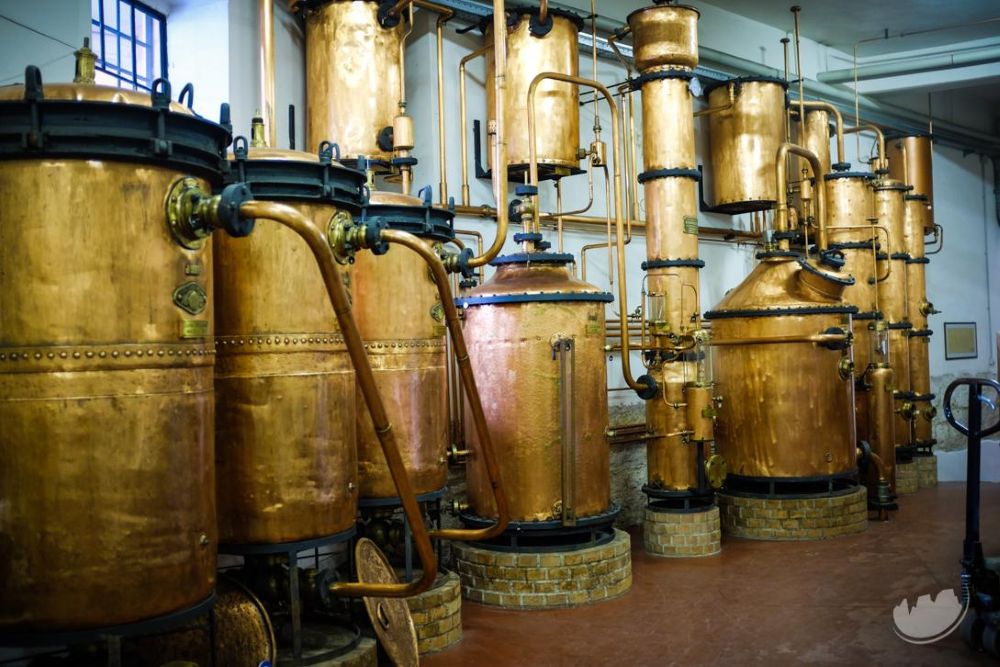
What Raw Materials Are Suitable for Grappa Distillation?
The main raw material for Grappa production is:
1. Grape Pomace (Primary Raw Material)
Grape pomace is generated during wine production after pressing grapes. It contains:
- Grape skins
- Grape seeds
- Remaining grape pulp
- Residual grape juice
- Natural yeast and fermentation products
Depending on the winemaking process, grape pomace can be:
White Wine Pomace
- Usually fermented after pressing
- Lower moisture content
- Produces lighter and cleaner Grappa
Red Wine Pomace
- Contains more tannins, pigments, and aromatic compounds
- Produces richer and more complex Grappa
2. Fermented Grape Marc
Fresh grape pomace cannot produce alcohol directly unless it contains fermentable sugars or has already undergone fermentation.
The typical preparation process:
- Grape pomace collection from winery
- Fermentation of remaining sugars
- Storage under controlled conditions
- Feeding into the Grappa still
- Steam distillation
The fermented pomace usually contains approximately:
- Alcohol content: 3–8% ABV
- Moisture: 50–70%
How Does a Grappa Distillation System Work?
A typical Grappa production process includes:
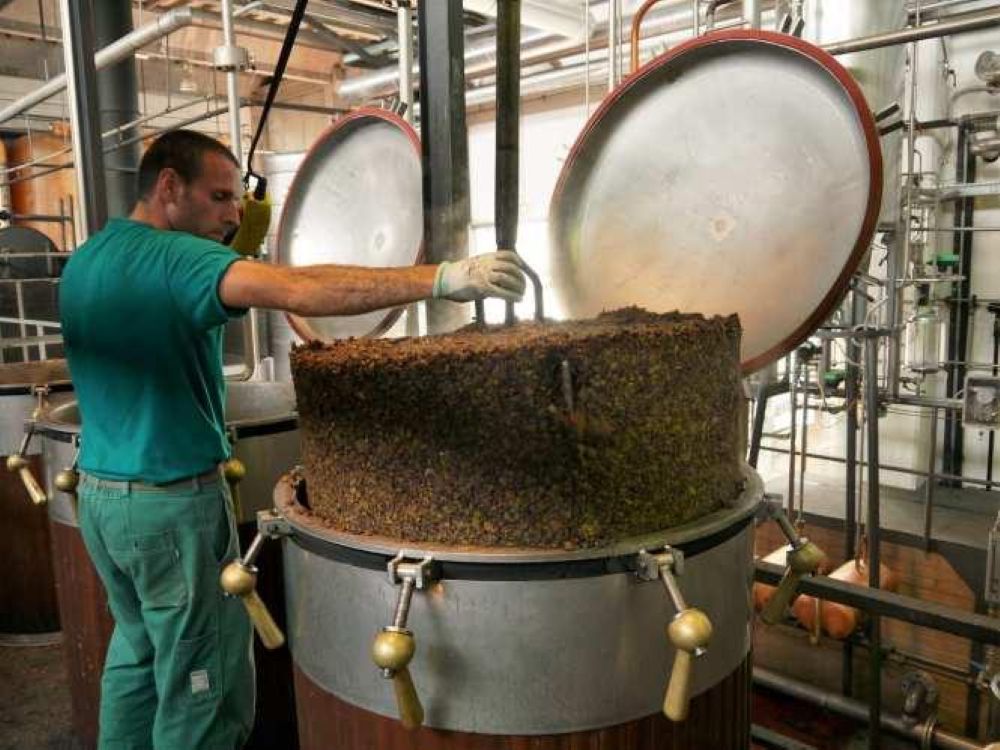
Step 1: Loading Grape Pomace
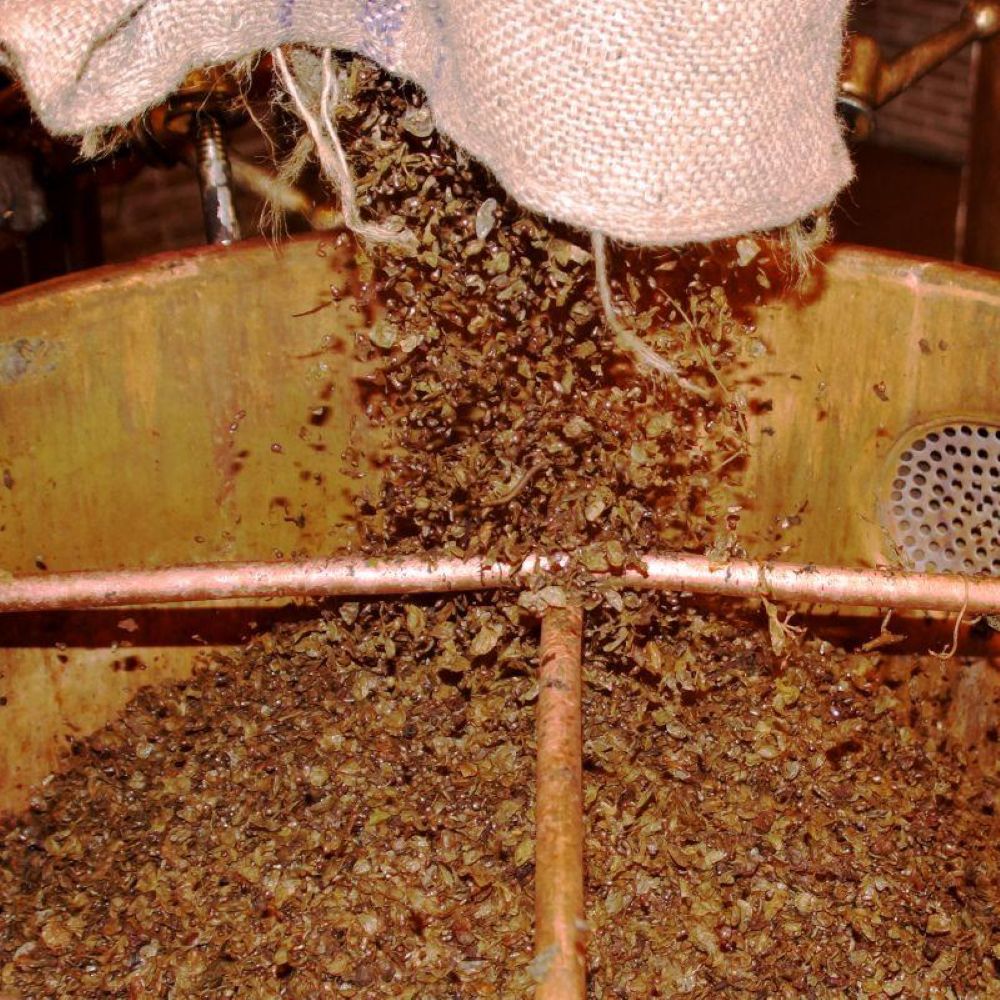
The fermented grape pomace is loaded into:
- Distillation basket
- Perforated container
- Direct steam chamber
The design prevents burning and allows steam to pass evenly through the grape material.
Step 2: Steam Distillation
Steam is introduced into the still.
The steam:
- Releases alcohol from grape solids
- Carries volatile aromatic compounds upward
- Prevents direct overheating of pomace
Because grape pomace contains solids, traditional direct heating is avoided to prevent:
- Burning
- Caramelization
- Arômes parasites
Step 3: Condensation
Alcohol vapor enters the condenser where it becomes liquid spirit.
The first distillate contains:
- High alcohol concentration
- Strong aromas
- Some undesirable volatile compounds
The distiller separates:
- Heads
- Hearts
- Tails
Only the heart fraction becomes premium Grappa.
Step 4: Maturation and Refinement
After distillation, Grappa may be:
Young Grappa
- Stored in stainless steel tanks
- Clear appearance
- Fresh grape aroma
Aged Grappa
- Matured in oak barrels
- Golden color
- Smooth woody flavors
What Kind of Alcohol Product Does Grappa Produce?
The final product is:
Grappa (Italian Grape Pomace Brandy)
Typical specifications:
| Objet | Valeur |
|---|---|
| Alcohol strength | 37.5–60% ABV |
| Raw material | Fermented grape pomace |
| Appearance | Clear or golden |
| Aroma | Grape, floral, fruity, herbal |
| Saveur | Smooth, warming, complex |
| Vieillissement | Stainless steel or oak barrels |
Grappa is classified as a pomace brandy, different from traditional grape brandy.
Difference:
| Spirit | Matières premières | Distillation |
|---|---|---|
| Grappa | Grape pomace | Solid material distillation |
| Cognac | Grape wine | Double pot distillation |
| Armagnac | Grape wine | Continuous column distillation |
| Brandy | Fruit wine | Wine distillation |
Grappa Distillation Equipment Configuration
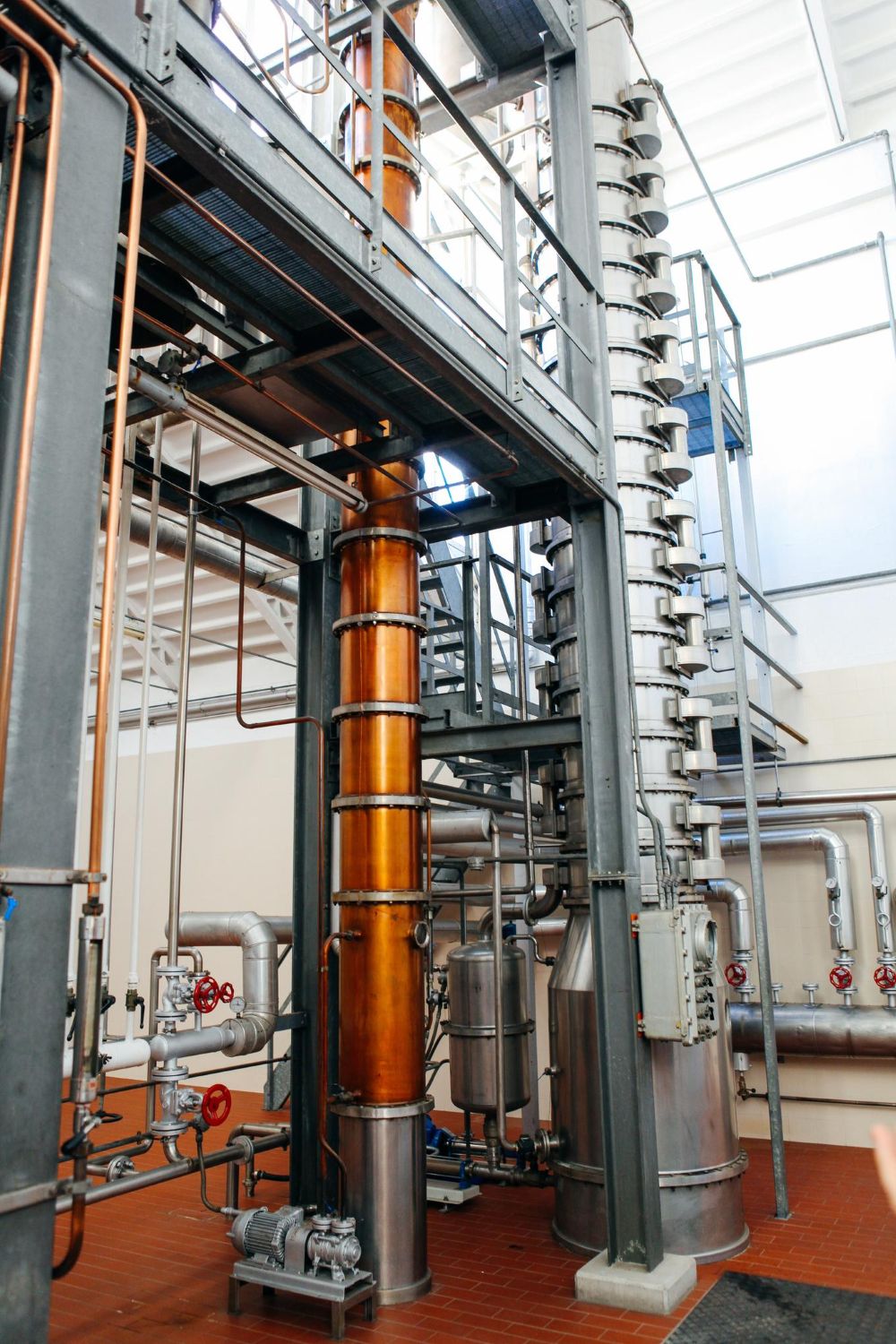
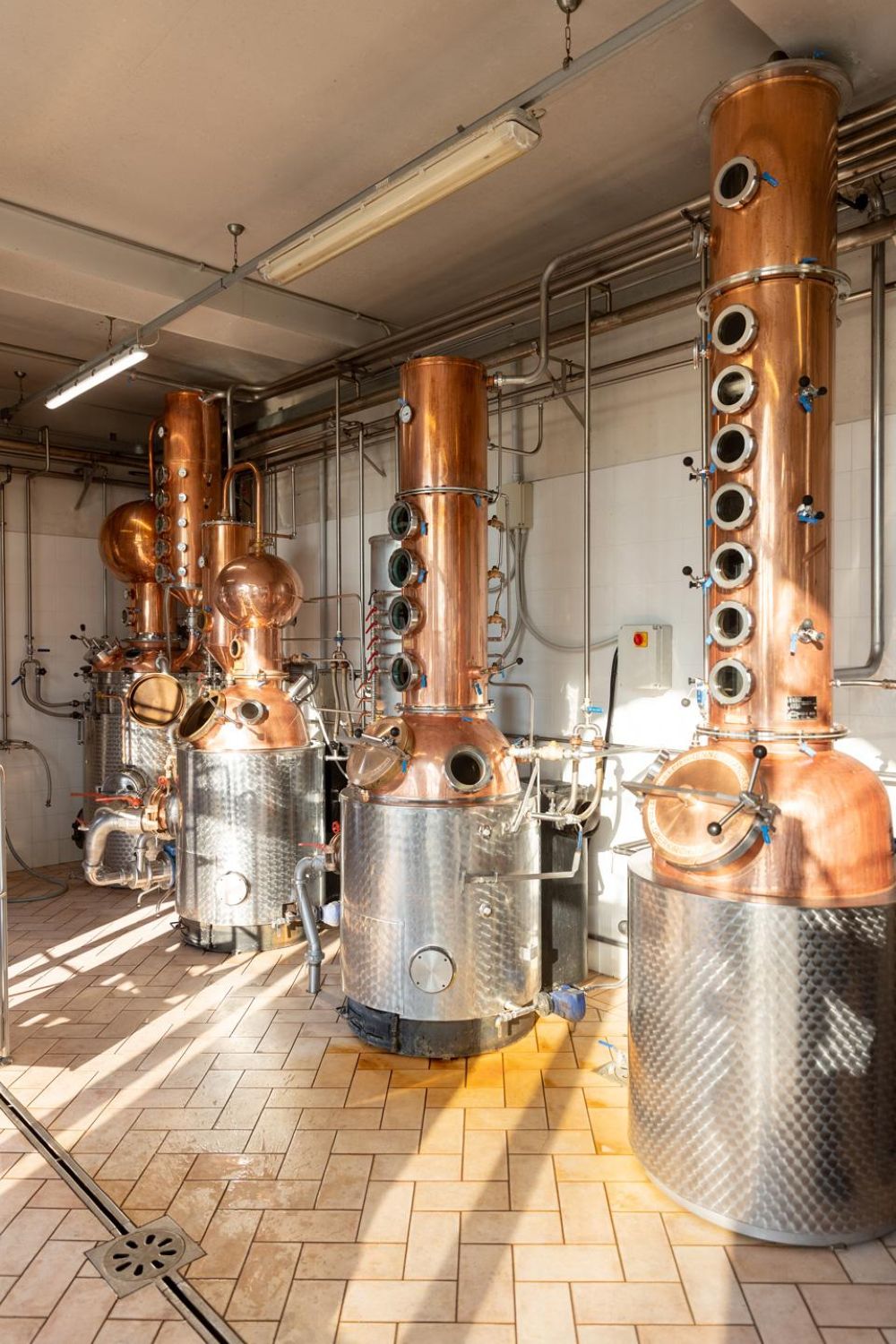
A professional Grappa distillation system usually includes:
1. Grappa Still
- Copper or stainless steel construction
- Steam heating system
- Pomace loading basket
- Système de nettoyage CIP
2. Steam Generator
Provides clean steam for gentle extraction.
3. Condenser
- Shell & tube condenser
- Plate condenser
- Efficient alcohol recovery
4. Collection Tank
For separating different distillation fractions.
5. Storage Tanks
For resting, blending, and maturation.
6. Control System
Modern systems include:
- Contrôle de la température
- Steam pressure control
- Alcohol monitoring
- Automatic distillation programs
Why Choose a Dedicated Grappa Distillation System?
A normal spirit still is not always suitable for grape pomace because pomace contains:
- Seeds
- Skins
- Fiber
- High moisture solids
A dedicated Grappa still provides:
✅ Better alcohol recovery
✅ Reduced burning risk
✅ Cleaner grape aroma
✅ Higher product quality
✅ Easier operation and cleaning
TIANTAI Grappa Distillation System Solution
TIANTAI designs customized Grappa distillation systems for wineries and distilleries worldwide.
Our solutions can be customized according to:
- Daily grape pomace capacity
- Pomace moisture content
- Steam availability
- Required Grappa production volume
- Automatic control requirements
From grape pomace handling, distillation, condensation, storage, and maturation, TIANTAI provides a complete turnkey solution for producing premium Grappa.
Turn grape winery waste into a valuable premium spirit with TIANTAI Grappa Distillation Technology.
Daisy Email: [email protected]