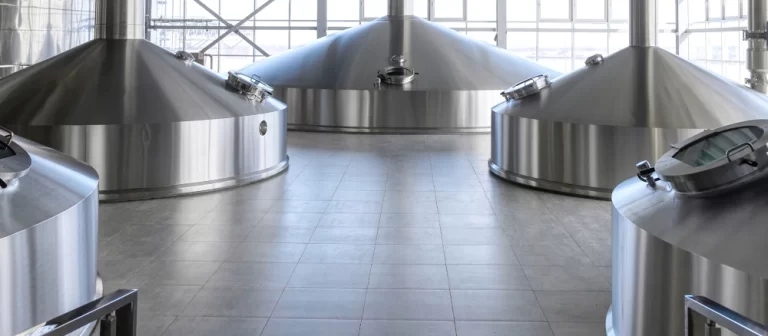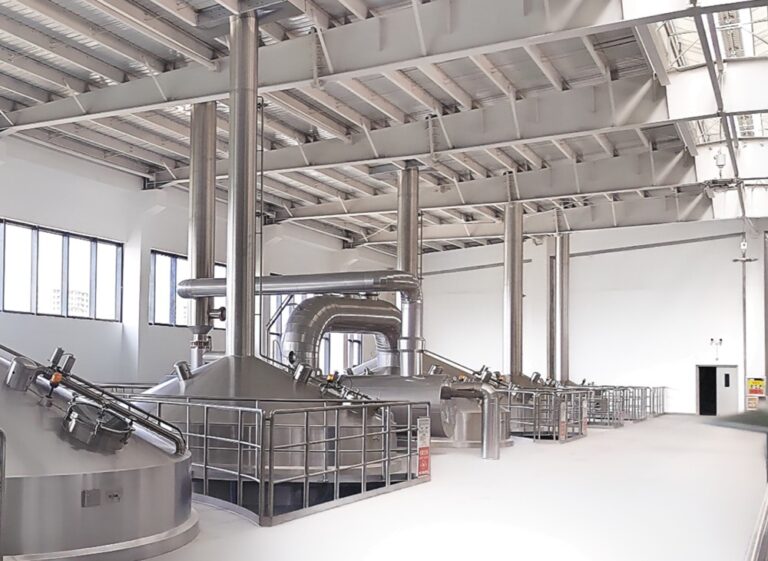
La demande mondiale en spiritueux artisanaux ne cesse de croître, et le whisky reste l'une des catégories les plus attractives pour les nouvelles distilleries. Qu'ils s'inspirent des méthodes traditionnelles de production à l'écossaise ou qu'ils cherchent à créer une expression locale unique, de nombreux entrepreneurs envisagent de créer leur propre petite distillerie de whisky.
Si la production d'un whisky de grande qualité exige de la patience et un savoir-faire pointu, une planification minutieuse peut contribuer à garantir un démarrage réussi. Voici les facteurs clés à prendre en compte lors de la création d'une petite distillerie de whisky.

Définissez vos objectifs de production
Avant de choisir un équipement ou de concevoir une installation, il est important de définir vos objectifs de production.
Voici quelques questions à se poser :
* Quel type de whisky allez-vous produire ?
* Quel volume de production annuel prévoyez-vous ?
* Allez-vous vous concentrer sur les ventes locales, le tourisme ou les marchés d'exportation ?
* De combien d'espace de stockage aura-t-on besoin pour le vieillissement en fût ?
Disposer d'un plan d'affaires clair permettra d'orienter le choix des équipements et la conception des installations.
Choisissez le bon emplacement
L'emplacement joue un rôle déterminant dans la réussite d'une distillerie. Outre les exigences réglementaires, il convient de prendre en compte des facteurs tels que la qualité de l'eau, la disponibilité des réseaux de services publics, l'accès aux voies de transport et le potentiel d'expansion future.
De nombreuses distilleries artisanales prospères proposent également des activités destinées aux visiteurs, des salles de dégustation ou des visites guidées. Si le tourisme fait partie de la stratégie commerciale, l’accessibilité et l’expérience client doivent être prises en compte lors du choix du site.
Sélectionnez l'équipement indispensable
Une petite distillerie de whisky typique a besoin de plusieurs systèmes de production essentiels :
### Équipements de fraisage
Le processus commence par la mouture de l'orge maltée ou d'autres céréales. On utilise généralement un broyeur à cylindres pour obtenir une granulométrie homogène tout en conservant les enveloppes des grains.
Cuve de fermentation
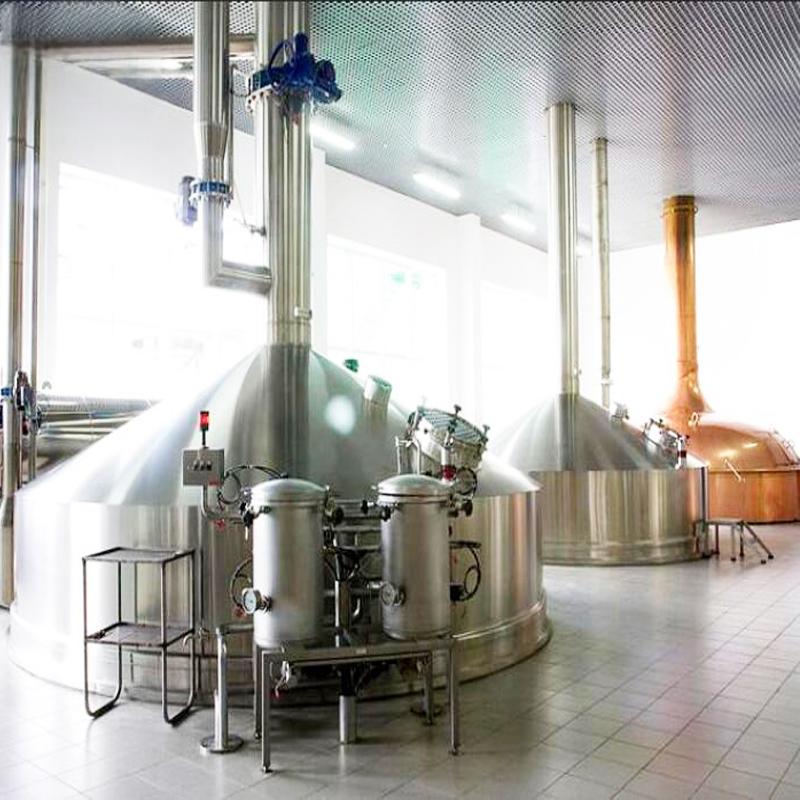
La cuve de brassage transforme les amidons en sucres fermentables grâce à un mélange contrôlé avec de l'eau chaude. Une conception adéquate du brassage contribue de manière significative à l'efficacité de l'extraction et à la régularité de la production.
### Cuves de fermentation
Après le brassage, le moût est transféré dans des cuves de fermentation où la levure transforme les sucres en alcool. De nombreuses distilleries utilisent des cuves de fermentation en acier inoxydable, conçues pour faciliter le nettoyage et le contrôle de la température.
Alambics en cuivre
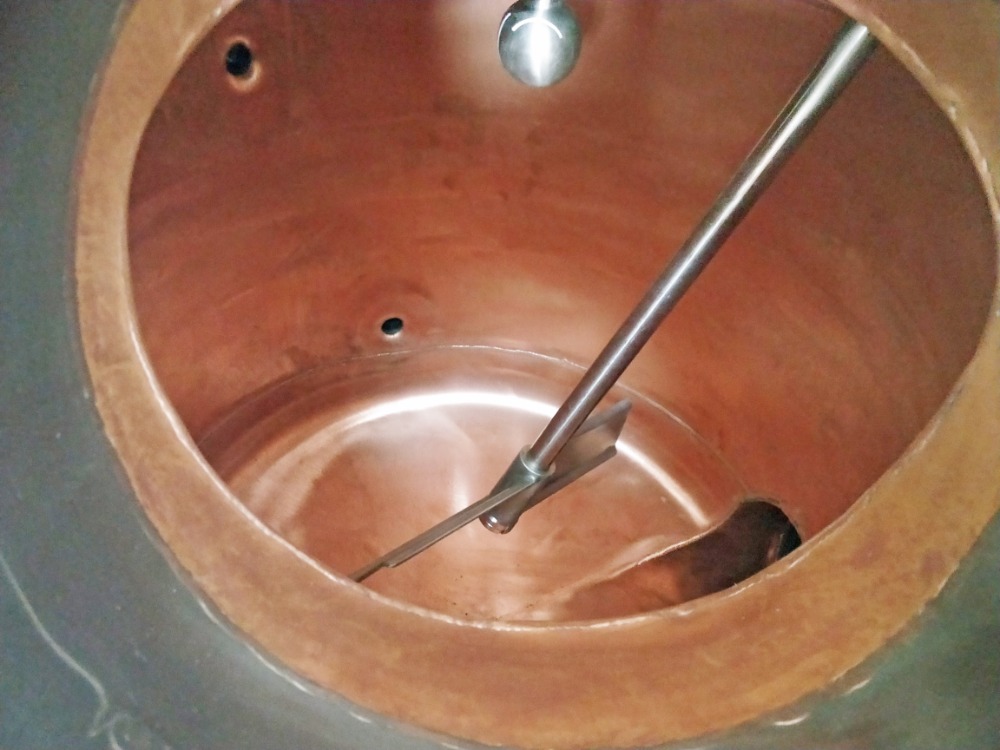
Les alambics en cuve constituent le cœur de la production de whisky. Les alambics traditionnels en cuivre permettent d'éliminer les composés soufrés indésirables tout en façonnant le caractère du spiritueux. En fonction du style recherché, les distilleries peuvent utiliser des alambics de moût et des alambics à spiritueux distincts pour procéder à une double distillation.
### Systèmes CIP et de services aux bâtiments
Des systèmes de nettoyage fiables, le refroidissement au glycol, la production de vapeur, le traitement de l'eau et les contrôles de processus sont essentiels pour garantir l'efficacité des opérations et une qualité constante des produits.
Plan de stockage des fûts
Contrairement à de nombreux autres spiritueux, le whisky doit vieillir avant de pouvoir être commercialisé. La planification des entrepôts constitue donc un élément essentiel du projet.
Les zones de stockage des fûts doivent offrir des conditions environnementales stables tout en permettant une manutention et une gestion des stocks en toute sécurité. Étant donné que les stocks en vieillissement augmentent chaque année, il convient d'envisager dès le départ une future extension de l'entrepôt.
Priorité à la qualité et à la cohérence
Le succès des marques de whisky repose sur la cohérence. Les procédures opérationnelles standard, les contrôles qualité et la tenue rigoureuse des registres permettent de garantir que chaque lot respecte les normes de production.
Les systèmes d'automatisation modernes permettent d'améliorer encore davantage la régularité de la production en surveillant les températures, les conditions de fermentation et les paramètres de distillation tout au long du processus de production.
Pensez à long terme
La création d'une petite distillerie de whisky est un investissement à long terme. Si les équipements de production sont importants, la possibilité d'une expansion future doit également être prise en compte dans la stratégie de conception.
Opter pour des équipements modulaires, prévoir de l'espace pour des cuves de fermentation supplémentaires et anticiper une augmentation de la capacité de stockage en fûts peut faciliter considérablement les futures extensions et les rendre plus rentables.
Conclusion
La création d'une petite distillerie de whisky nécessite à la fois des connaissances techniques, une bonne planification commerciale et un équipement adapté. De la mouture et du brassage à la distillation et à la maturation, chaque étape contribue à la qualité et à l'identité du produit final.
Grâce à une planification minutieuse et à un système de production bien conçu, une petite distillerie peut élaborer des whiskies originaux qui reflètent le caractère local tout en répondant à la demande mondiale croissante en spiritueux artisanaux haut de gamme.
Tiantai Brewtech, fabricant réputé dans le secteur des équipements pour la bière et les boissons, basé à Jinan, en Chine, fournit des lignes complètes et des solutions clés en main aux brasseries et aux projets liés aux boissons à travers le monde. Depuis 2001, l’équipe de Tiantai a été témoin du développement rapide du secteur. Forte de 19 ans d’expérience, la société Tiantai s’engage dans la recherche et le développement de procédés de brassage diversifiés, d’équipements sur mesure, de systèmes de contrôle automatisés et de gestion numérisée. À ce jour, Tiantai a fourni ses équipements et ses solutions à plus de 3 500 brasseries et distilleries dans 106 pays, se forgeant ainsi une excellente réputation.
N'hésitez pas à nous contacter pour un devis.
Merci pour votre lecture.
Helen Lee